The key facts
- The interception rate of jet drones rose from ~60% in early September to 74–77%, according to ISW
- Starshield outages on October 14–24 lowered the figure to ~74%; restrictions were lifted on October 24
- Ukrainian company F-Drones is developing the F-Jet 80 interceptor costing about $7,000
Rising effectiveness and dependence on satellites
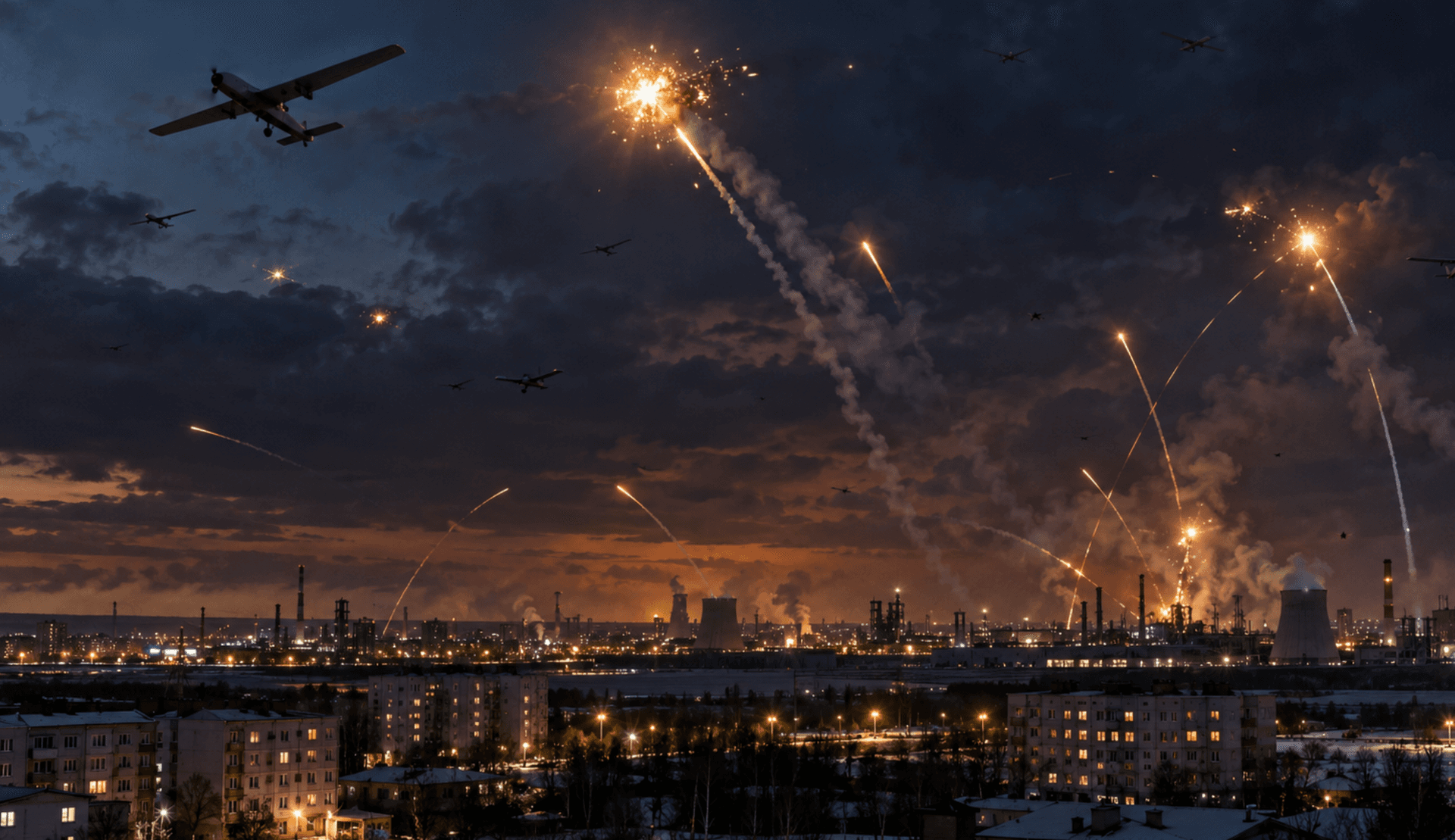
Ukraine has improved its interception rates against Russian jet-powered drones, but outages of the American satellite service Starshield have put this progress at risk. According to the Institute for the Study of War (ISW), during disruptions to the military satellite service from October 14 to 24, the interception rate fell from 77% to roughly 74%. That is still noticeably better than early September, when Ukrainian officials reported intercepting about 60% of jet-powered drones. Individual air defense units claimed results above 80%, but these figures reflect the performance of specific units rather than a nationwide outcome. Euronews reports this, citing ISW.
Why jet-powered drones are harder for air defense
Russia is increasingly using jet-powered versions of Shahed-type drones: they fly considerably faster than piston-engine models, leaving Ukrainian crews noticeably less time to detect and intercept them. Ukraine is responding with a combination of means: interceptor drones, fighter jets, and ground-based systems. Interceptors, according to ISW, are the most effective, but many of them rely on Starshield communications to operate at the speeds needed against fast targets. Service restrictions affecting high-speed drone operations were lifted on October 24, yet, as the outlet notes, the outage underscored the dependence of Ukraine's air defense on American satellite communications.
Fighter jets and ground turrets
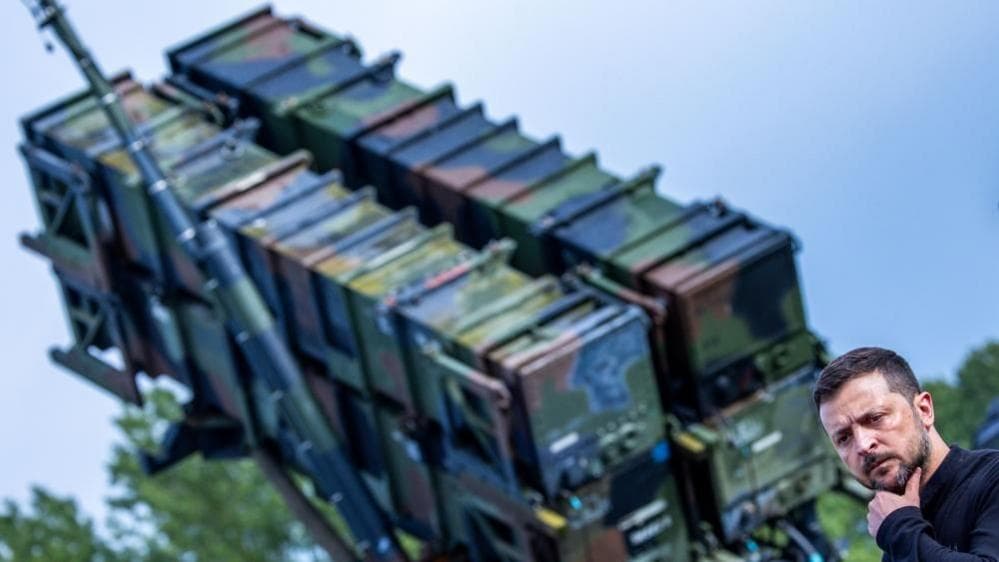
F-16s are used against drones in two ways: firing air-to-air missiles or shooting with onboard cannons. Both approaches have drawbacks: missiles are expensive and scarce, while cannon attacks demand high pilot skill and expose aircraft and crews to additional risk. Using fighters against drones also increases maintenance workload and diverts aircraft from other tasks. Ground-based gun turrets have been installed in Kyiv and the surrounding region, but deploying them across the entire country would require considerable time and resources.
The race for cheap interceptors
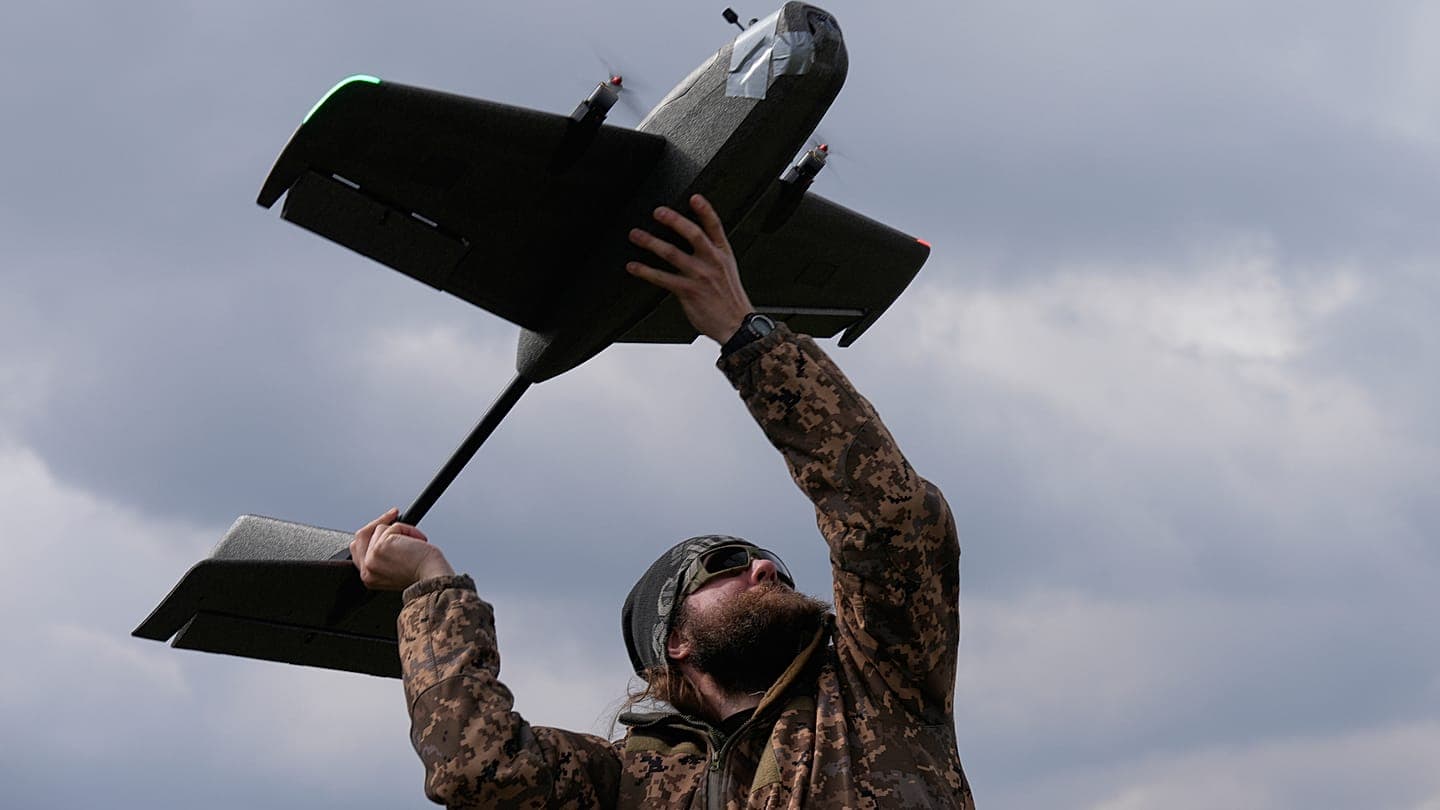
The threat has accelerated Ukrainian manufacturers' work on fast and inexpensive interception systems. One project is the F-Jet 80 jet interceptor by F-Drones, which plans to incorporate artificial intelligence into its guidance system. The company aims to keep the unit cost at around $7,000 — against estimated figures of $20,000–70,000 for other high-speed interceptors and roughly $1 million for an air-to-air missile fired from an F-16. According to the manufacturer, the F-Jet 80 is still in development but has already successfully intercepted several Russian drones. ISW believes that sustaining high interception rates will require developing and deploying affordable high-speed interceptors on a far larger scale, and that integrating them into the existing air defense network offers the best chances as Russia's winter air strikes approach.