The key facts
- The US State Department approved the sale of approximately 500 Patriot PAC-3 MSE missiles to Ukraine for $2.1 billion
- The deal is funded by donations from Canada, Germany, and Norway, along with EU credit funds; no US budget funds are used
- Zelensky warned that deliveries may only begin in several years
Approved deal
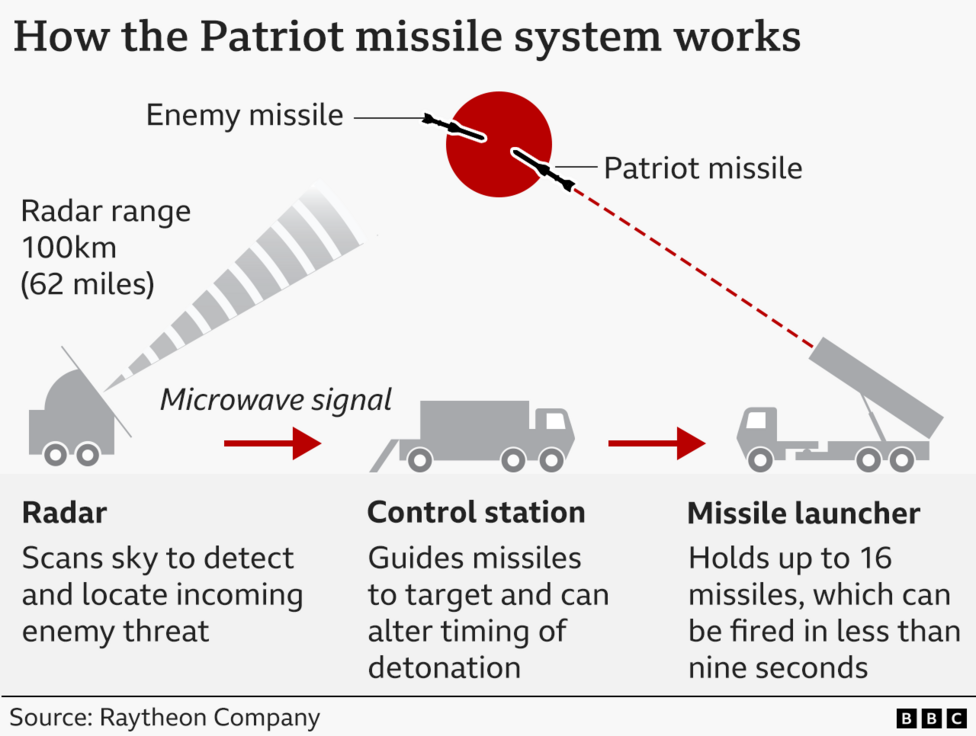
The US State Department has approved the sale to Ukraine of approximately 500 Patriot PAC-3 missiles in the MSE (Missile Segment Enhancement) configuration, with an estimated cost of $2.1 billion. This was reported in an official statement by the department, which is cited by BBC News and Zamon.uz. The package requested by the Ukrainian side includes the missiles themselves, classified and unclassified spare parts, as well as logistics and software services. The main contractor is named as the American company Lockheed Martin.
Who pays and what comes next
According to data from the State Department, the purchase will be financed through donor contributions from Canada, Germany, and Norway via the JUMPSTART program, as well as national funds financed by an EU credit to support Ukraine; US budget funds are not involved in the deal. The department stated that the sale 'supports US foreign policy and national security objectives.' After approval, an official notification is sent to Congress, which has 30 days to review it — meaning the deal is currently at the congressional notification stage, not yet at the implementation stage.
Kyiv's reaction and the timeline issue
Ukrainian President Volodymyr Zelensky called the decision a 'strong step' but warned that, according to agreed conditions, deliveries may begin 'only in several years.' He urged American partners to find a solution for the period when PAC-3 interceptors are needed immediately and proposed transferring missiles to Ukraine from existing US and allied stockpiles, with subsequent replenishment of their arsenals through already paid-for production. This was reported by euronews.
Why the timeline is critical
The context explains the urgency of the issue: according to BBC News, Zelensky stated earlier this week that Kyiv had waited nearly a month for approval of a batch of missiles for Patriot and NASAMS systems, and previously acknowledged the critical depletion of Patriot stocks — the only effective means against Russian ballistic missiles, whose strikes, according to him, hit two regions on Friday. The publication notes that the order, it seems, concerns new missiles rather than those already in storage, and PAC-3 production is limited — approximately 600 missiles per year according to the US Department of Defense; the global shortage is also linked to the US use of these missiles in the war with Iran. Zamon.uz, citing The Washington Post, adds that since May, deliveries have been irregular, and on October 16, Trump announced a suspension of ammunition sales to allies to replenish his own arsenal. Thus, while the deal approval confirms funding and volume, the key uncertainty remains the schedule for actual deliveries.
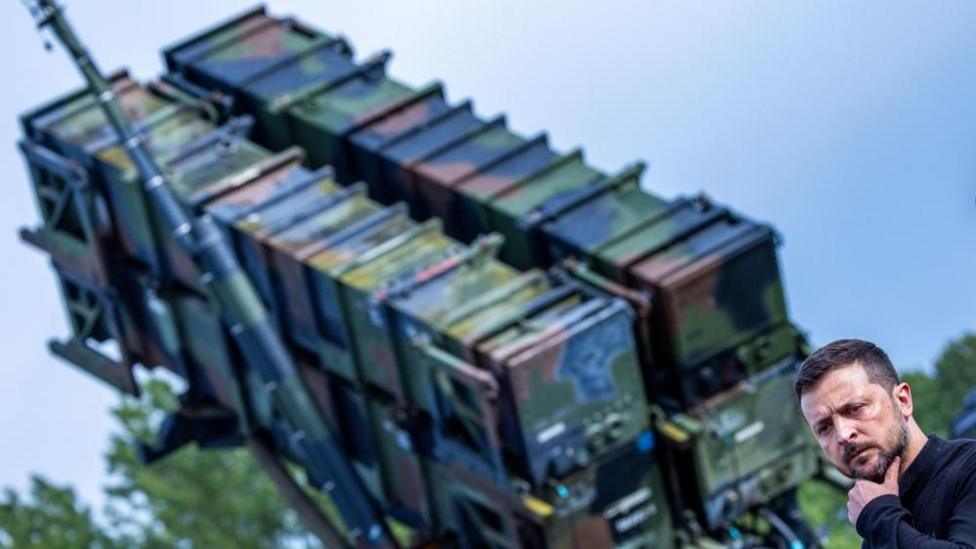 Image source, EPA-EFE/REX/Shutterstock
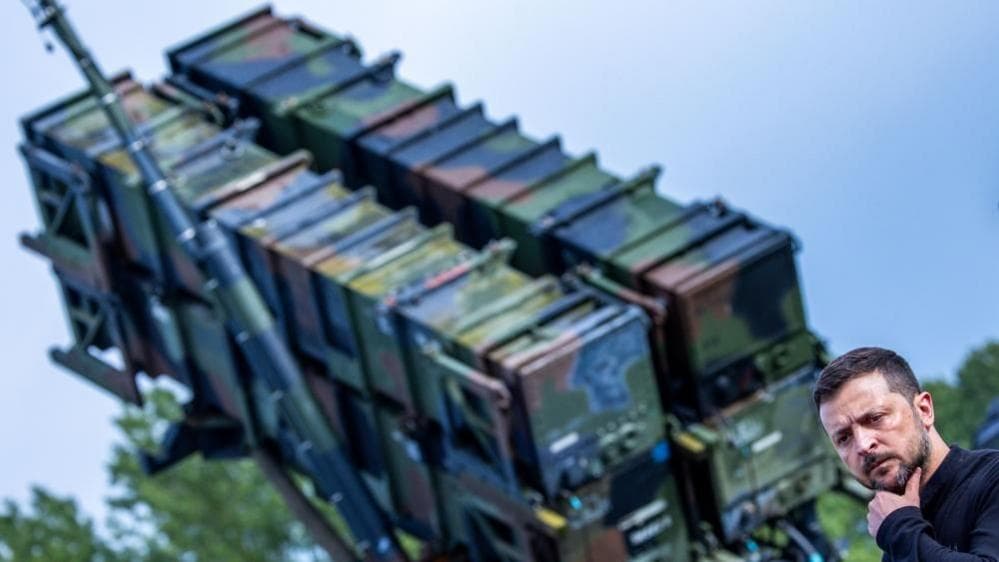
President Volodymyr Zelensky has recently admitted that Ukraine was running critically low on Patriots