The key facts
- Trump called the Brazilian elections 'rigged' but said he gets along with Lula
- Diplomatic deadlock: the US has no ambassador in Brazil, and the Brazilian ambassador's US visa was revoked
- Experts see potential for cooperation on security, but not on military operations
Trump calls Lula's victory 'rigged'
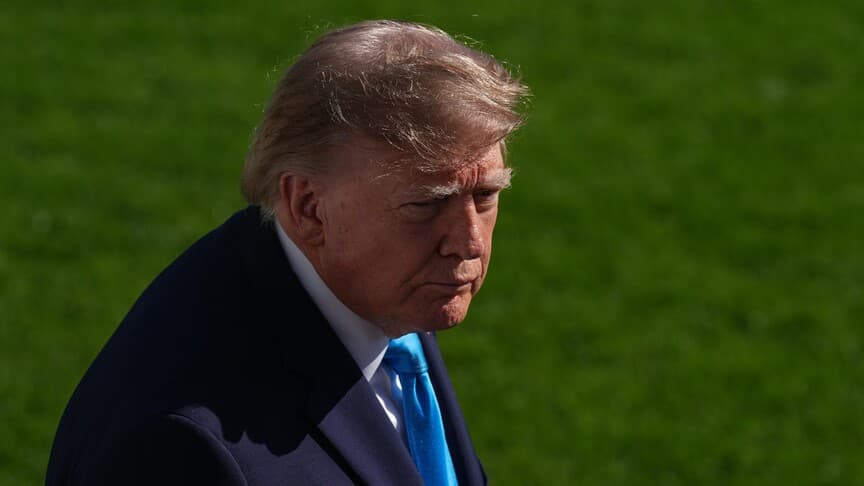
US President Donald Trump risks further straining already tense relations with Brazil after calling the election won by Luiz Inácio Lula da Silva 'rigged'. 'I didn't take anyone's side, but honestly, it looked like another rigged election... It's a terrible sight for the whole world,' Trump told reporters on Monday, the day after the Brazilian president staged his comeback and held onto power, AFP reports.
Analysts' forecast: further hostility
Analysts believe such statements bode ill for bilateral relations. 'If the US insists on the elections' illegitimacy, it will further deepen the hostility between Trump and Lula,' said Evan Ellis of the Washington-based think tank Center for Strategic and International Studies. In his view, 'an embittered Lula, freed from future elections, may double down on opposing the Trump administration on every issue — from the campaign against cartels to Cuba, Iran, Israel and tariffs.' At the same time, Trump himself was not entirely negative toward the Brazilian leftist president: 'I like Lula, we have a great relationship.'
Personal ties amid a diplomatic deadlock
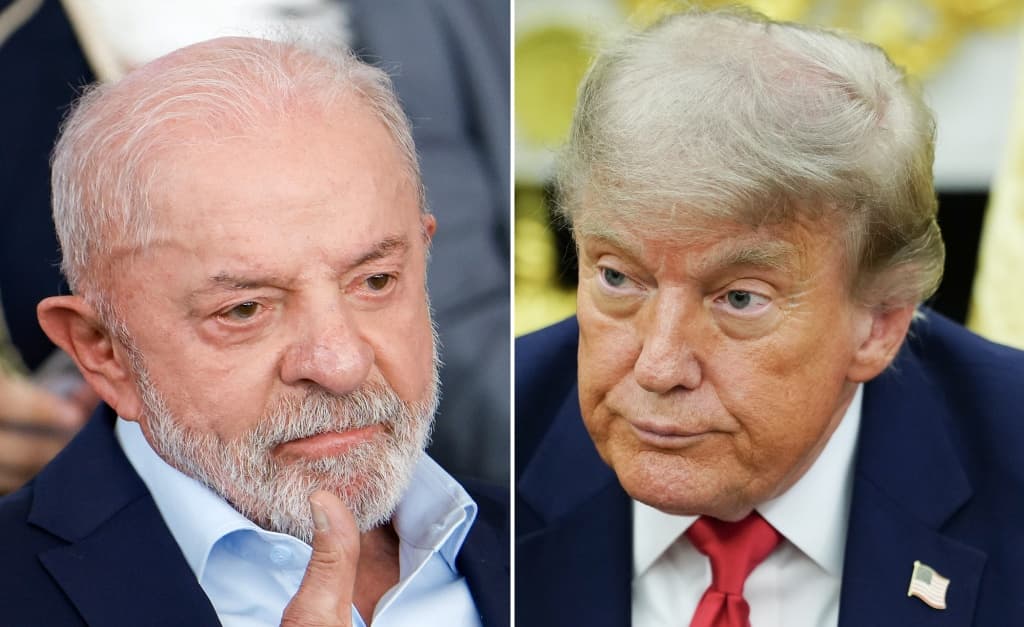
Both leaders are seasoned veterans of political standoffs, capable of striking deals but reluctant to make concessions. Lula, 81, and Trump, 80, have no trouble talking on the phone and have met several times, exchanging public praise before returning to their fundamental disagreements. However, the two governments are in a diplomatic deadlock: the US still has no ambassador in Brasília, while Brazil's ambassador in Washington remains in limbo after her US visa was revoked.
Shared interests remain
Despite the confrontation, the countries have common interests and significant economic ties. Brazil is Latin America's leading trading power, supplying the US with commodities, coffee and meat — key goods amid persistent inflation in the US. Washington is also interested in Brazil distancing itself from China and in agreements on rare earth metals, which are important for technology and industry. Lula, who stresses that Brazil is nobody's 'backyard,' will strengthen his international standing by securing a fourth presidential term. His government remains the main standard-bearer of the Latin American left in the face of the 'Shield of the Americas' — Trump's initiative to combat cartels and align with the region's governments that have shifted to the right. Larissa Wachholz of the Brazilian Center for International Relations expects Brazil to continue 'diversifying its relationships.'
Possible rapprochement on security
On regional security and organized crime, the interests of Washington and Brasília may converge. James Story, a former US ambassador and founder of the consulting firm Global Frontier Advisors, sees room for the exchange of intelligence, financial and banking information. But if the 'Shield of the Americas' begins organizing joint military operations in the region, Brazil, he predicts, will stay on the sidelines: 'Brazil goes its own way on many of these issues, so I don't expect much help from it... and I don't think the US government will turn to it for help.'