The key facts
- First general election in Israel since the October 7, 2023 attack; about 7.3 million people are voting
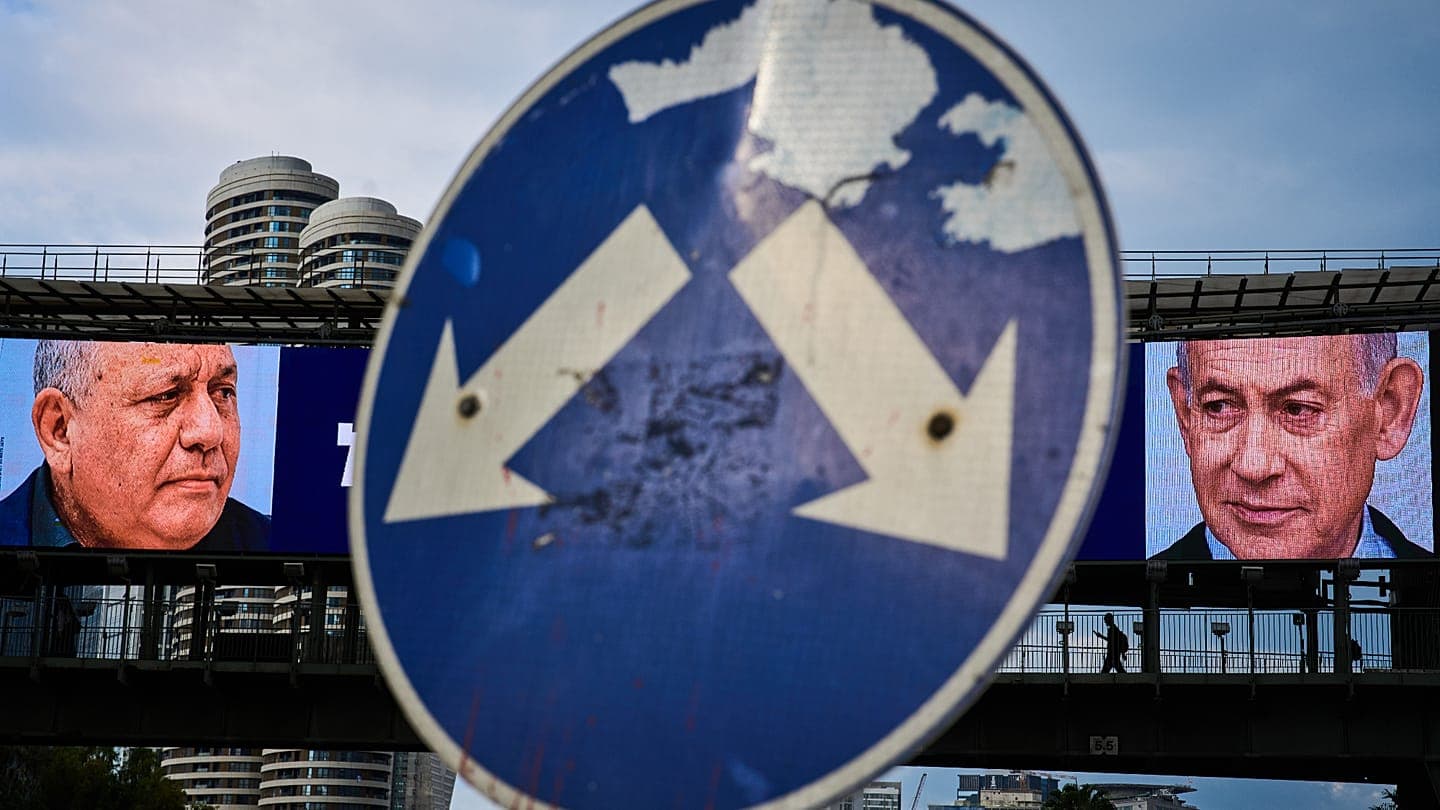
- Polls show Netanyahu and Eisenkot neck and neck; no party is expected to come close to the 61 seats out of 120 needed for a majority
- Arab parties (about 21% of the population) could become kingmakers, but neither leader has declared an alliance with them
Voting with no clear favorite
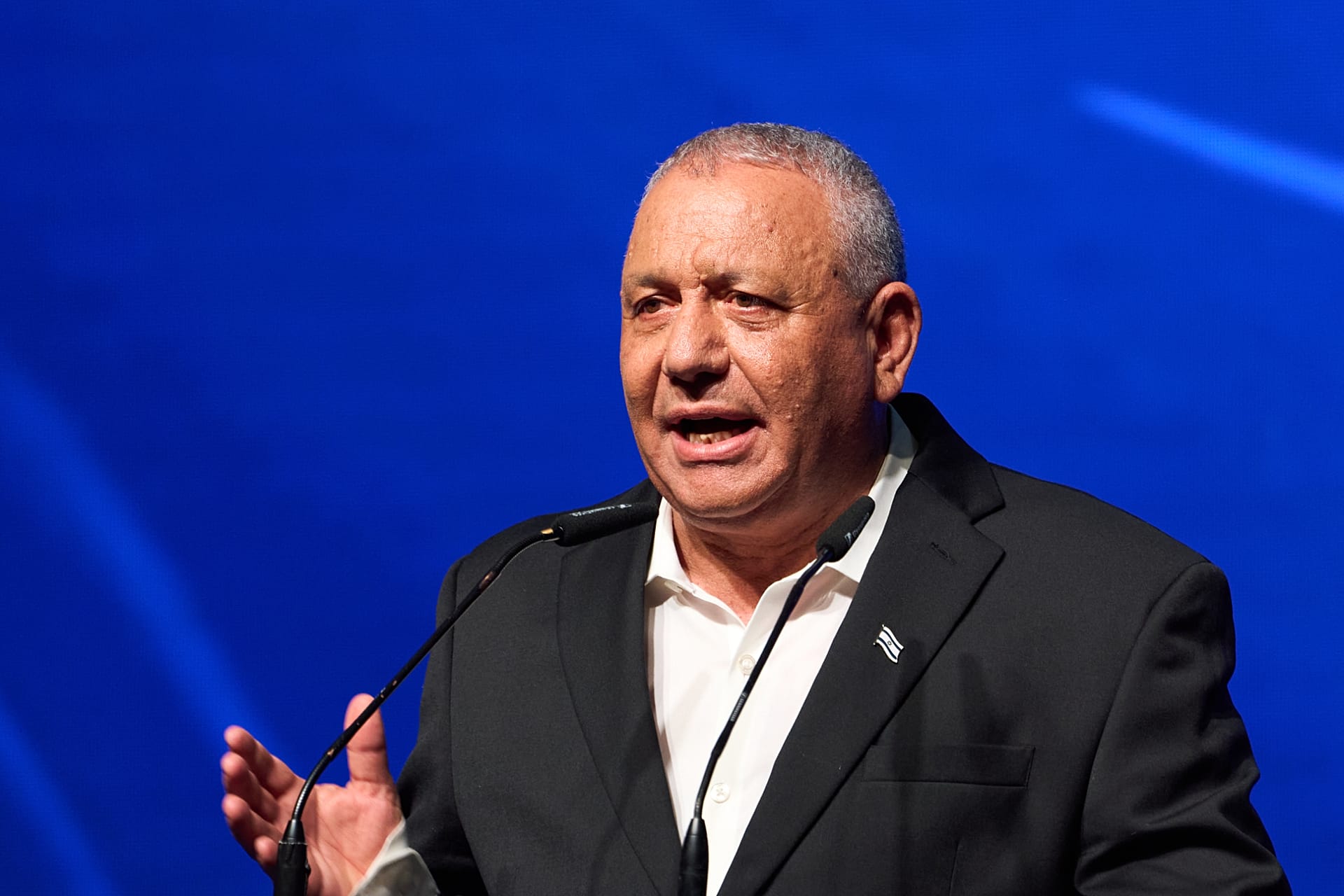
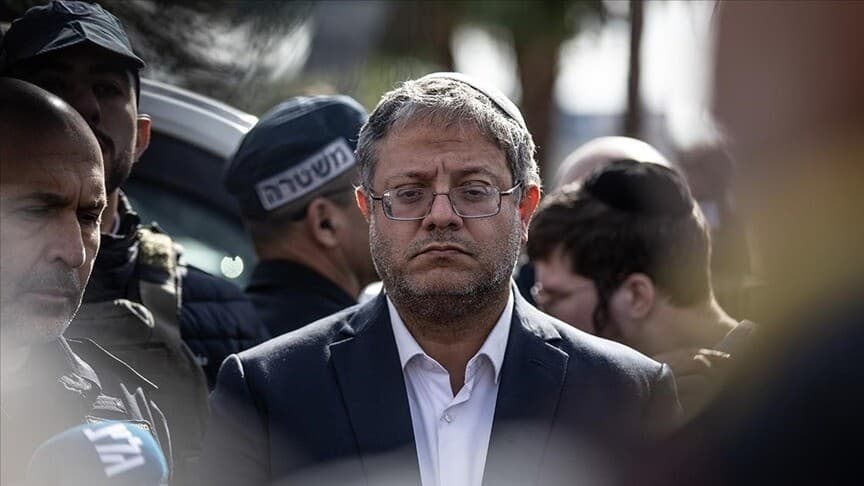
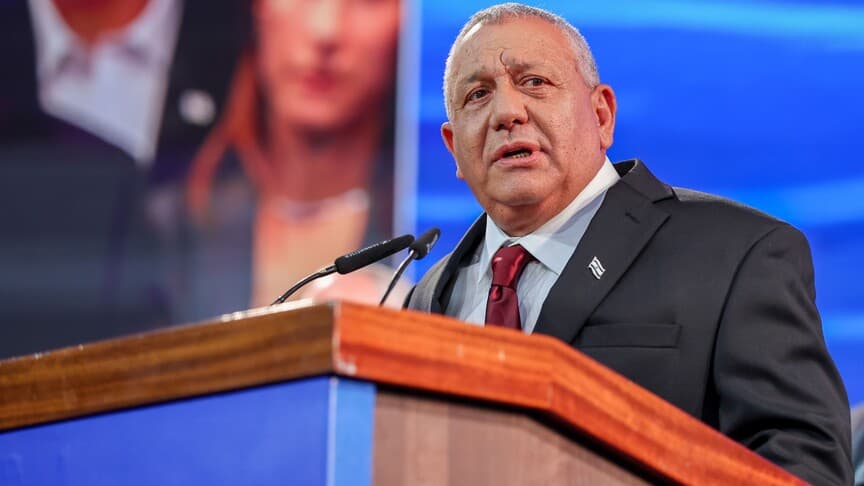
On October 27, Israelis vote in the first general election since the Hamas attack of October 7, 2023. As euronews reports, the latest polls show that incumbent Prime Minister Benjamin Netanyahu and his main rival, the centrist Gadi Eisenkot, are running neck and neck. About 7.3 million people are eligible to vote, including hundreds of thousands voting for the first time; tens of thousands of Israelis living abroad are believed to have flown home to take part in the vote.
Two candidates and their promises
The 77-year-old Netanyahu is Israel's longest-serving prime minister, having held the post for more than 19 years with interruptions. In his campaign he emphasizes his security track record and his close ties with US President Donald Trump. The 66-year-old Eisenkot, a former chief of staff (the first Israeli of Moroccan origin in that post) and a political newcomer, leads the Yashar party and an informal bloc spanning right-wing to center-left forces. He promises an independent state commission of inquiry into the security failures connected with the October 7 attack — something the current government has resisted to this day. The split in society is visible at polling stations too: 85-year-old Tzipora Bennett explained her support for Netanyahu by saying he
Arab parties and the European context
Parties with a predominantly Arab electorate, representing about 21% of the population, could play a decisive role in such a tight outcome, although neither of the two leading candidates has publicly declared readiness for an alliance with them. The election is being closely watched in Europe: the EU is Israel's largest trading partner, but relations have been strained by the war in Gaza. In April, Spain, Ireland and Slovenia, at a meeting of foreign ministers, once again called for suspending the EU–Israel Association Agreement, but Germany and Italy blocked the initiative. Analysts cited by euronews, referring to Al Jazeera, warn that a change from Netanyahu does not necessarily mean a break with the policies criticized by Europe — Eisenkot opposes a Palestinian state, although he promises to take tougher measures against violent settlers.
What comes next
Polls close at 10:00 pm local time (9:00 pm Central European Time). Final results may only emerge in a few days, and no party is forecast to come close to the 61 seats needed for a majority in the 120-seat Knesset. This means coalition negotiations could drag on for weeks or even months, and it is the composition of the future coalition, not just the name of the prime minister, that will determine the country's policy after the election.