The key facts
- Libya's House of Representatives (the east of the country) ratified the 2019 Turkey–Libya memorandum on maritime boundaries
- Greece, Egypt, Cyprus, Bahrain, the UAE and the EU called it 'null and void' in a joint statement
- Libya's UN envoy called the decision sovereign and suggested challenging it in court; Erdogan rejected the criticism
Ratification and the reaction of six parties
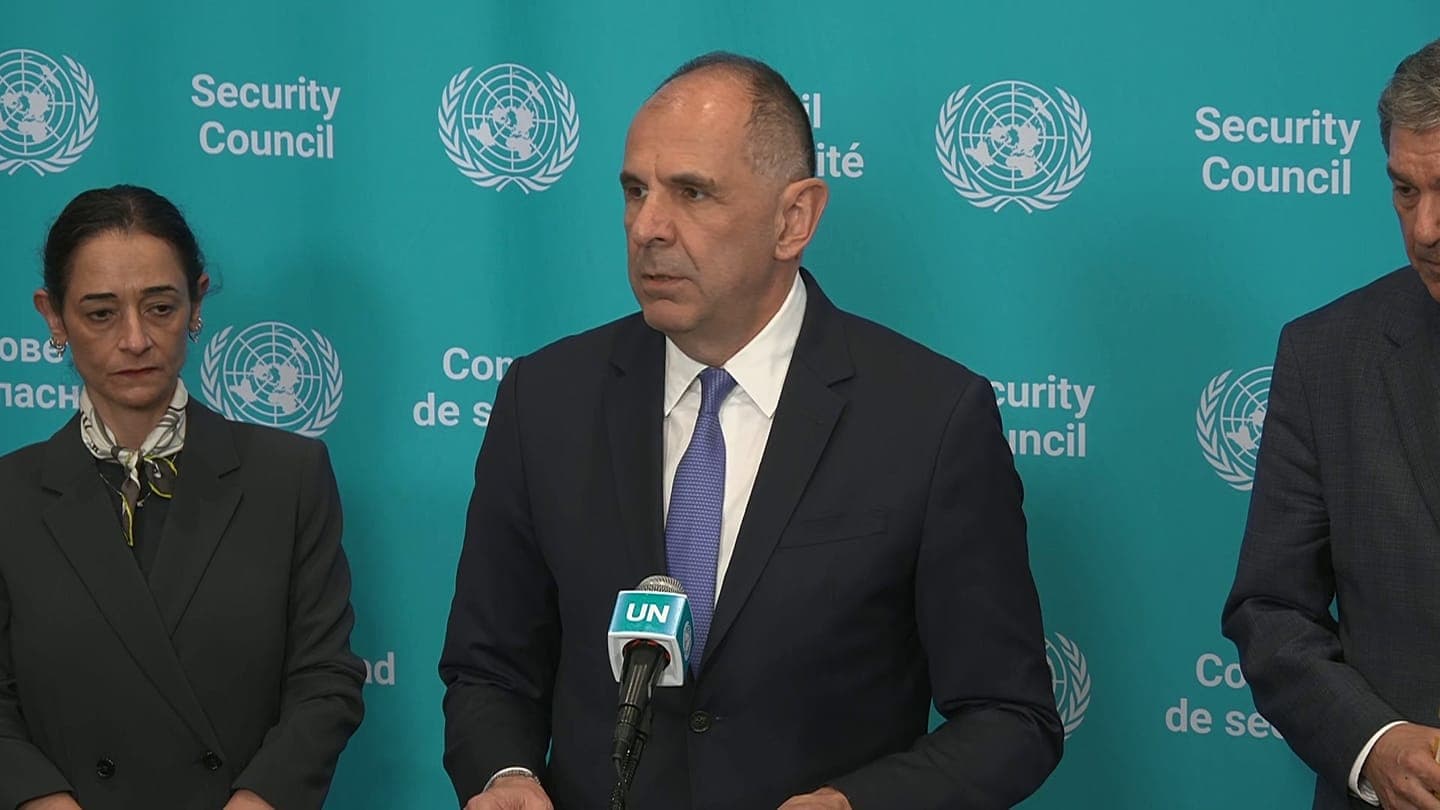
Libya's House of Representatives, based in the east of the country, has ratified the 2019 memorandum on the delimitation of maritime jurisdictions between Turkey and Libya. In response, on October 26 Greek Foreign Minister Giorgos Gerapetritis, on behalf of Greece, Egypt, Cyprus, Bahrain, the UAE and the European Union, stated in New York that the memorandum 'remains null and void and produces no legal effects', contradicts international law and cannot serve as a basis for the delimitation of maritime zones. According to him, the Libyan parliament's decision 'raises serious concerns about regional security and stability' and 'does not change the legal reality' (euronews).
The essence of the dispute and the parties' positions
The agreement was signed by Ankara with the internationally recognized government in Tripoli at the height of the Libyan civil war and establishes a maritime corridor between Turkey's southern coast and Libya's northern coast, allowing the two countries to claim economic rights over potential oil and gas reserves beneath the Mediterranean seabed. The eastern administration led by Khalifa Haftar has opposed the document for years, but Turkey has since built relations with both parts of the divided Libyan leadership, notes The National.
Legal arguments and practical consequences
Gerapetritis stressed that the delimitation of maritime zones must rest on the UN Convention on the Law of the Sea (UNCLOS) and customary international law, while the memorandum 'ignores geographical reality' and the rights of island states. A diplomat, who was not named, told The National that Turkey and Libya 'have neither adjacent nor opposite coasts', and that the proposed boundary is 'a blatant redrawing of geography'. In practical terms, the agreement could complicate the EastMed pipeline project, which is meant to carry gas from Israel and Cyprus through Greece to Europe: its route passes through waters that Turkey and Libya claim under this document.
Who is challenging the decision, and how
The parties' positions differ fundamentally. Libya's Permanent Representative to the UN, Taher El-Sunni, called the ratification 'a sovereign decision' and advised the countries that disagree to turn to legal bodies, including the International Court of Justice, adding that Tripoli is ready for bilateral discussions with its neighbours. UN Secretary-General António Guterres said in Cairo that agreements incompatible with the convention should not be recognized. Egypt rejected the deal as early as last week — Cairo and Athens had earlier, in August 2020, signed their own delimitation agreement. Turkish President Recep Tayyip Erdogan responded by saying that criticism from the EU and other parties 'has no legal basis', and that those seeking to exclude Turkey from the region must respect the will of Ankara and Libya.