The key facts
- Independent spending on congressional elections reached $3.1 billion, advertising budgets exceeded $10 billion, with AdImpact projecting a record $11.6 billion
- Independent expenditures in congressional elections reached $3.1 billion, advertising budgets exceeded $10 billion, and AdImpact forecasts a record $11.6 billion
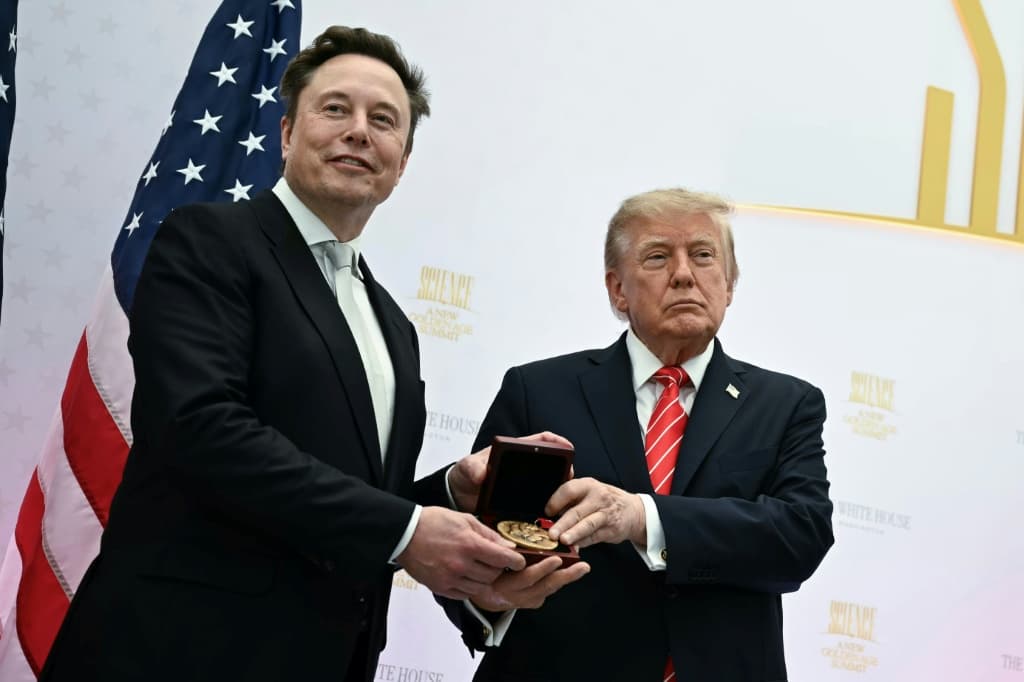
- The 50 largest donors contributed $2.77 billion; the leading individual donor is Elon Musk with $446 million
- 74% of Americans consider money in politics 'a very big problem' (Pew poll, April)
- 74% of Americans consider money in politics a 'very big problem' (Pew poll, April)
Record spending of the midterm cycle
The 2026 U.S. congressional midterm elections are becoming the most expensive in history for a cycle without a presidential race. According to Anadolu, citing reports from the Federal Election Commission (FEC) as of October 24, independent spending on House and Senate campaigns reached $3.1 billion, of which $2.3 billion came in the general election phase. By the end of June, candidates had already spent more than $2 billion — 16% more than at the same point in the 2022 cycle.
The scale of the advertising market and donor concentration
Spending on political advertising across all levels of elections exceeded $10 billion by mid-October. AdImpact projects a record $11.6 billion — above the $8.9 billion of the 2022 midterm cycle and the $11.2 billion of the 2024 presidential race. The biggest outside players: the Senate Leadership Fund (~$292 million in independent spending), the Democratic WinSenate ($221 million) and the Republican No Going Back PAC ($220 million). Money is concentrated in a narrow circle of sponsors: according to The Washington Post's calculations, the 50 largest donor sources contributed $2.77 billion as of October 23. Among individuals, Elon Musk leads with $446 million, followed by Richard and Elizabeth Uihlein ($150 million) and Jeff and Janine Yass ($110 million).
How the financing system works
The current rules largely trace back to the Supreme Court's 2010 Citizens United decision, which lifted restrictions on independent spending by corporations and unions, and a subsequent appellate court ruling that opened the way to unlimited contributions to independent expenditure groups. Individuals may give candidates up to $3,500 per election, and multi-candidate PACs up to $5,000. Super PACs cannot coordinate spending with campaigns, but they accept unlimited sums from individuals, corporations and unions. Some nonprofit organizations fund politics without fully disclosing their donors — this is the so-called 'dark money.' As a result, a candidate controls only part of the money spent on their race.
Outside spending reshapes the race: the Texas example
Texas shows how outside funding upends the picture painted by a candidate's own fundraising. Democrat James Talarico raised $146.3 million against Republican Ken Paxton's $22.3 million, yet outside groups spent $298.5 million supporting Paxton or opposing Talarico, versus $79.9 million on Talarico's side. 'Billionaires are spending millions attacking me. I don't take corporate PAC money. I'm running to ban dark money so billionaires can't buy our elections,' Talarico said in a campaign ad.
AIPAC, crypto and AI: lobbying fronts
Anadolu pays particular attention to AIPAC: its traditional PAC raised $57.8 million as of October 14 and bundled about $44 million in individual contributions, while the affiliated super PAC United Democracy Project attracted $112.8 million and spent $54 million on independent expenditures. The biggest intervention of 2026 was the Democratic Senate primary in Michigan, where UDP spent $20.7 million against Abdul El-Sayed and $10.6 million in support of Haley Stevens. El-Sayed, a critic of unconditional U.S. military aid to Israel, linked these expenditures to his stance on campaign finance reform. TrackAIPAC co-founder Corey Archibald told Anadolu that AIPAC differs from industry lobbies in that it seeks to influence U.S. foreign policy 'in the interests of a foreign state, even when this comes at the expense of American interests'; according to her, more than 40 candidates backed by TrackAIPAC won primaries this year. Beyond AIPAC, cryptocurrency groups raised $324.6 million and spent about $162 million, with Defend American Jobs alone accounting for more than $101 million in independent spending. A separate battle has unfolded around AI regulation: advocates of lighter oversight raised $125 million and spent about $36 million, while supporters of stricter regulation spent roughly $25.6 million.
Public discontent and the limits of money
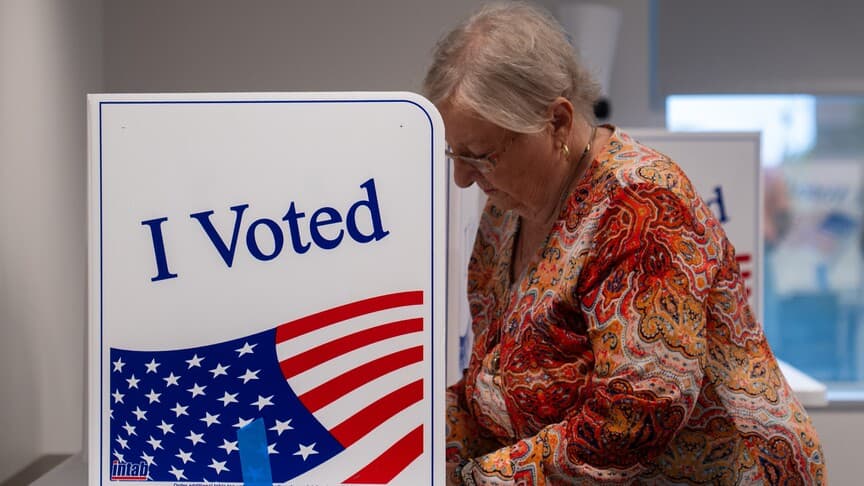
Concern over the role of money in politics crosses party lines: according to an April Pew Research Center poll, 74% of Americans consider it a 'very big problem' — including 70% of Republicans and Republican-leaning respondents and 79% of Democrats. The Political Integrity Project rates candidates using publicly available financing data and asks them to pledge to refuse corporate PAC money, support a ban on congressional stock trading, limit the revolving door between lawmakers and lobbyists, and back reform; more than 100 candidates have signed on, and about 70 of them advanced to the general election. The project's executive director, Daniel Lobo-Lewis, notes that candidates increasingly use their opponents' funding sources against them, 'but to do that, you have to be clean yourself.' At the same time, he says, even unprecedented spending does not guarantee victory: 'You can't win without money, but money won't ensure victory.'