The key facts
- Inflation of 3.7% outpaces wage growth (3% over the year) — the final report before the midterm elections
- Inflation of 3.7% outpaces wage growth (3% over the year) — the last report before the midterm elections
- Tariffs added about 2.9% to consumer goods prices, according to the New York Fed estimate
- Trump is discussing a cap on credit card rates and $5,000 payments to adults if Republicans keep control of Congress
- Trump is discussing a credit card interest rate cap and a $5,000 payment to adults if Republicans keep control of Congress
A familiar problem in a new form
Ahead of the US midterm elections, the White House is facing a situation that complicated Joe Biden's campaign in 2024: the macroeconomic data are broadly decent, but public sentiment is poor. As BBC Newsreports, economic growth stands at 2.2%, unemployment is stable at 4.2%, and the stock market is near record highs, yet the final inflation report before the election confirmed what voters already feel: prices remain high. In 2024, Trump promised voters quick relief — 'when I win, I will immediately bring prices down' — but keeping that promise has proved harder than expected.
How the causes differ from Biden's
The causes of rising prices differ between the two administrations. Biden was dealing with the aftermath of the Covid pandemic, whereas Trump is under pressure from higher energy prices linked to the US–Israel conflict with Iranand from the consequences of his own trade and immigration policies. A study by the Federal Reserve Bank of New York found that the 'liberation tariffs'announced in April 2025 raised consumer goods prices by roughly 2.9%; the effect could have been larger had Trump not suspended some of the duties, struck new trade deals, and been limited by the Supreme Court in his use of emergency powers. Peter Morici, a University of Maryland economist leaning Republican, puts it more bluntly: 'Inflation clearly traces back to Donald Trump. It's his tariffs and his war. People know it. They see it.' The White House, for its part, points to lower prescription drug costs, job growth and tax cuts, and press secretary Matthew Middleton said the 'aggressive, pro-growth economic agenda' had weakened 'Biden's inflation crisis'.
Why the numbers fail to convince voters
The key gap lies in perception. Over the past year, average hourly pay rose 3% while consumer prices rose 3.7% — meaning wages are not keeping up with prices, which helps explain Trump's low ratings on economic management in the polls. Democratic pollster veteran Celinda Lake points to a semantic trap: when economists say inflation has come down, they mean the pace of growth has slowed, while voters understand it as prices returning to their previous level — 'and of course it never does.' 'You can't argue with people about their own lived experience,' she notes. Trump ally Larry Kudlow, by contrast, calls the current upswing 'the greatest story nobody is telling'. The practical takeaway for voters: the administration has already moved to direct relief measures — Trump has come out in favor of a cap on credit card interest rates and is discussing payments of $5,000 to adult Americansif Republicans keep control of Congress; these are initiatives under discussion, not decisions that have been adopted.
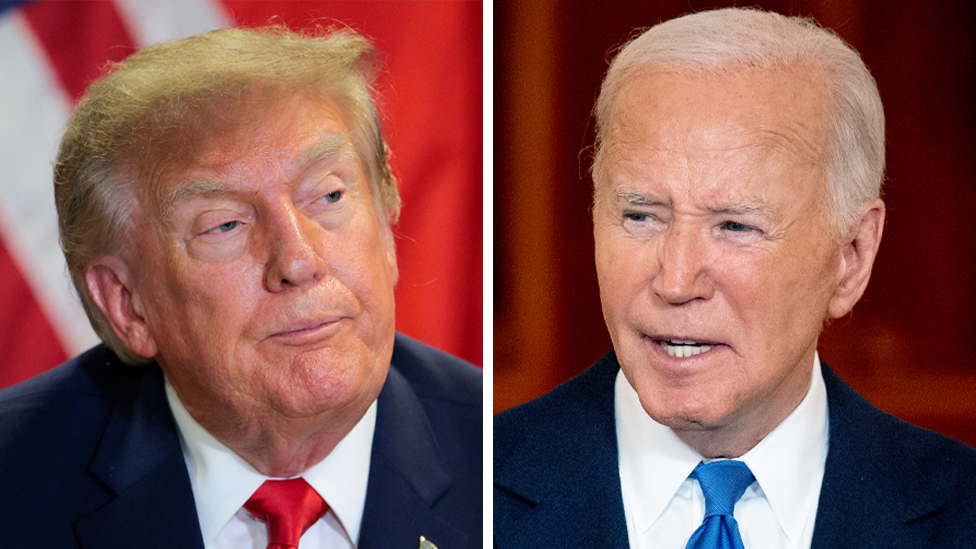 Image source, Getty Images
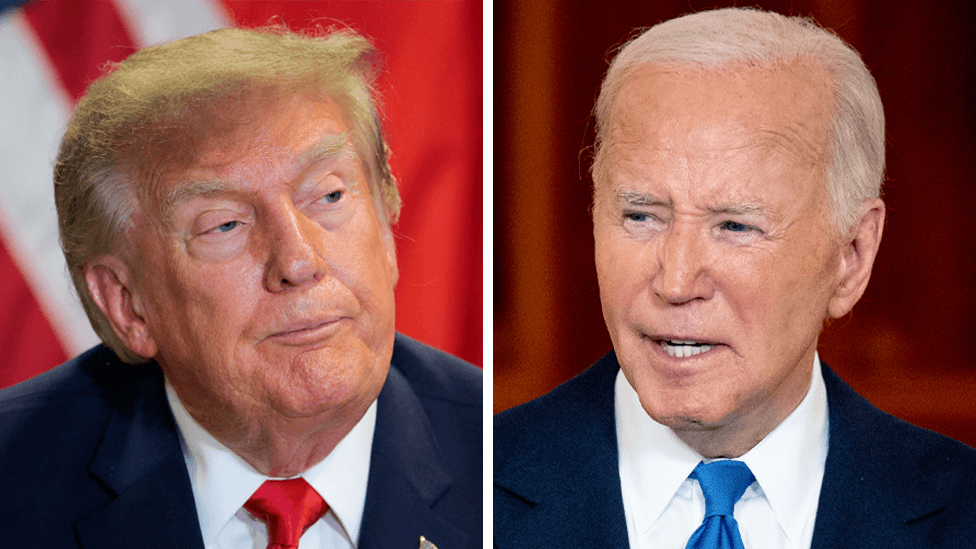
US President Donald Trump and his predecessor Joe Biden
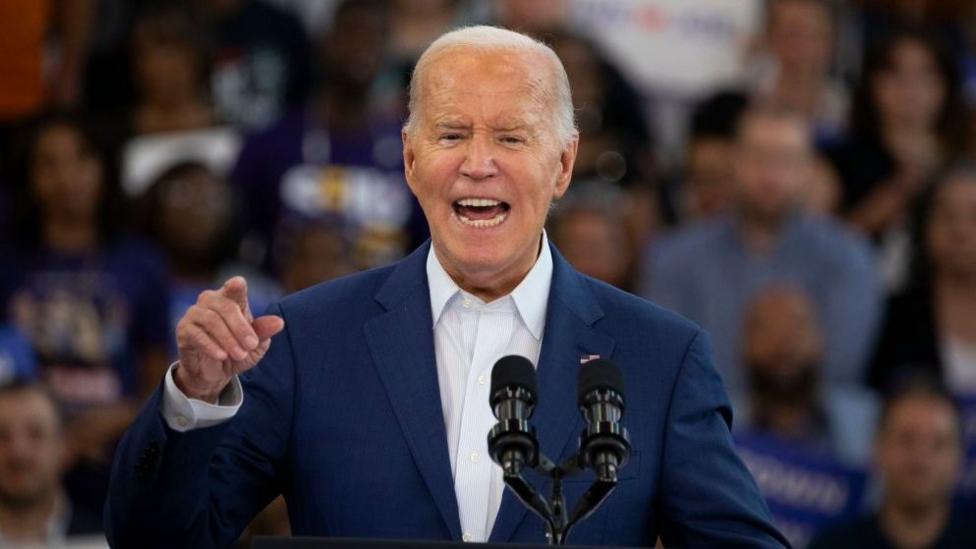 Image source, Getty Images
Joe Biden campaigned in 2024 on the economy but voters saw things differently
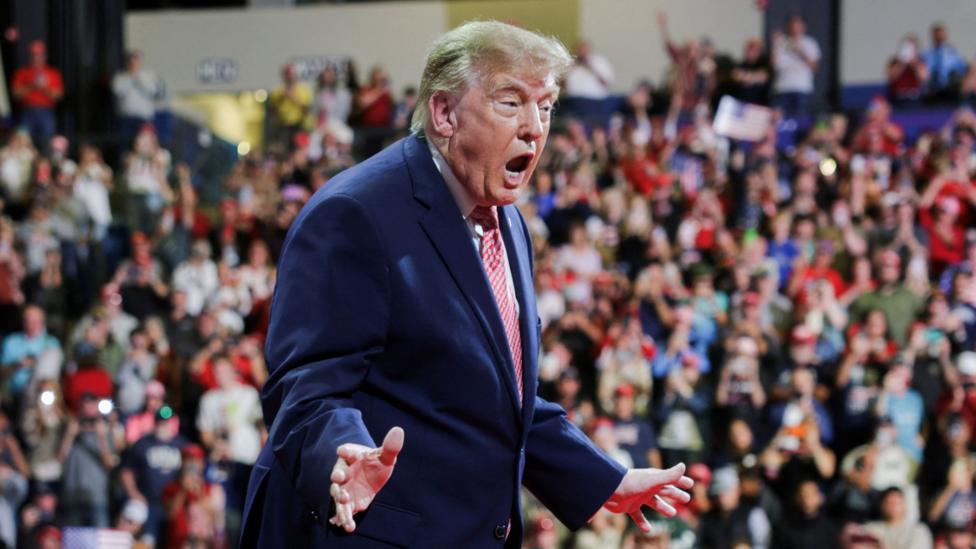 Image source, Reuters
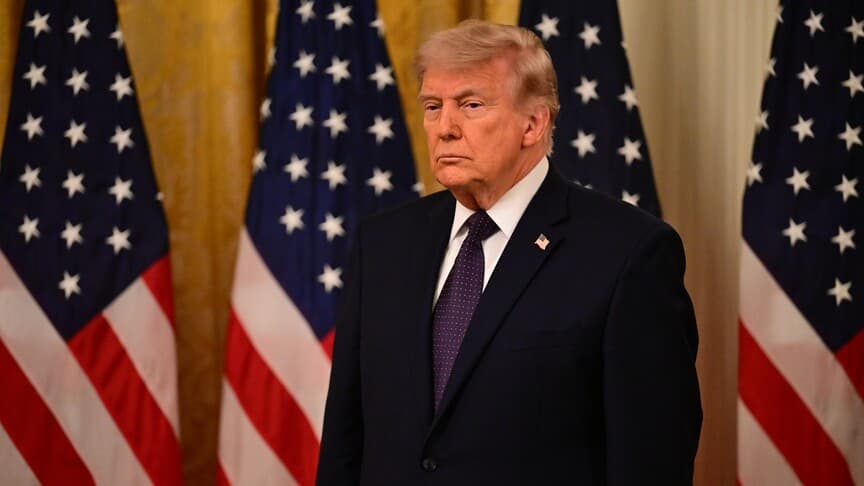
Donald Trump pledged to lower prices for US households