The key facts
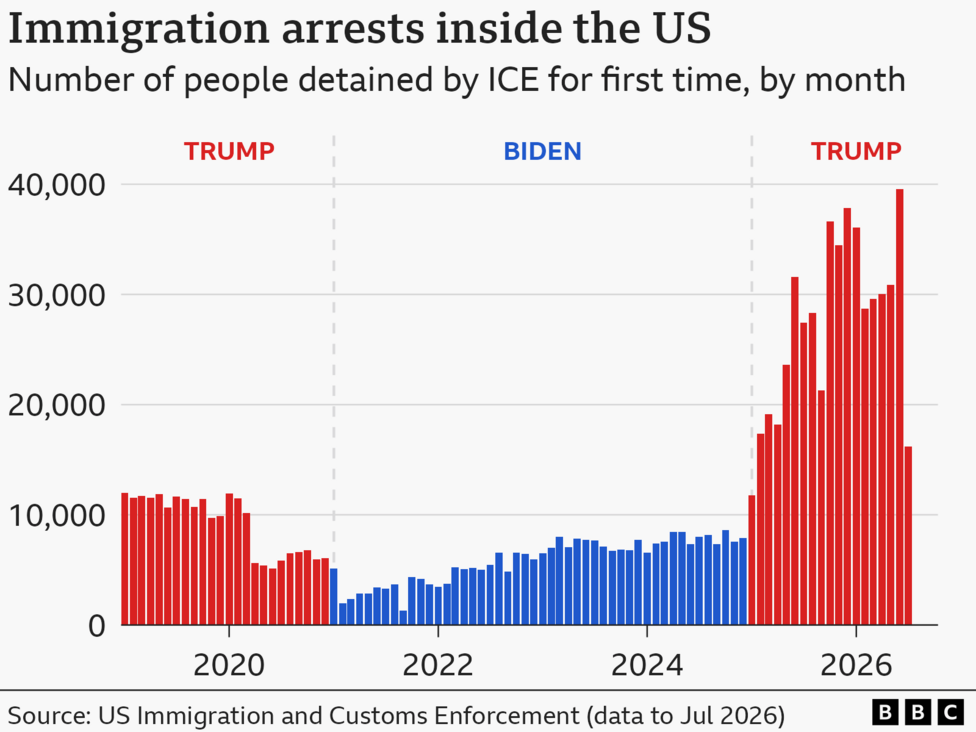
- ICE arrests reached a record of nearly 50,000 in July 2026, but the share of detainees with criminal convictions fell to 27%
- ICE detentions reached a record — nearly 50,000 in July 2026, but the share of detainees with criminal records fell to 27%
- ICE arrests hit a record — nearly 50,000 in July 2026, but the share of detainees with criminal convictions fell to 27%
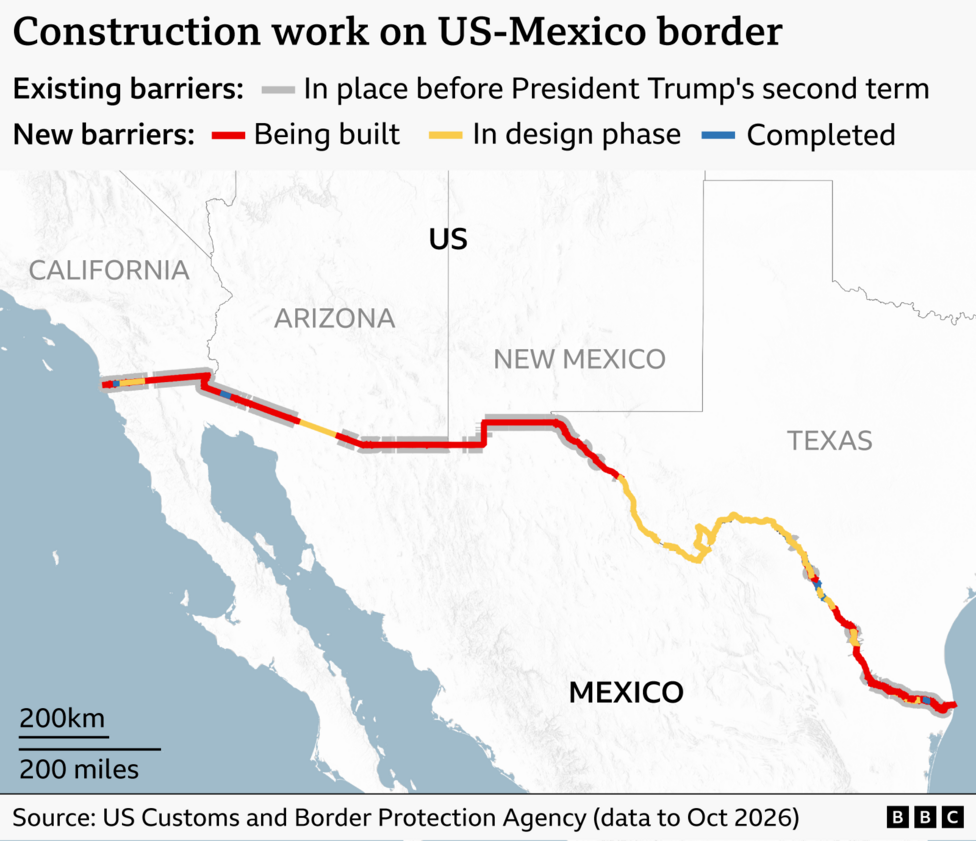
- 250 new miles of wall built, with another 1,443 miles under construction
- NYT/Siena poll: 50% of voters trust Democrats on immigration versus 46% for Republicans
Immigration as the central theme of Trump's second term
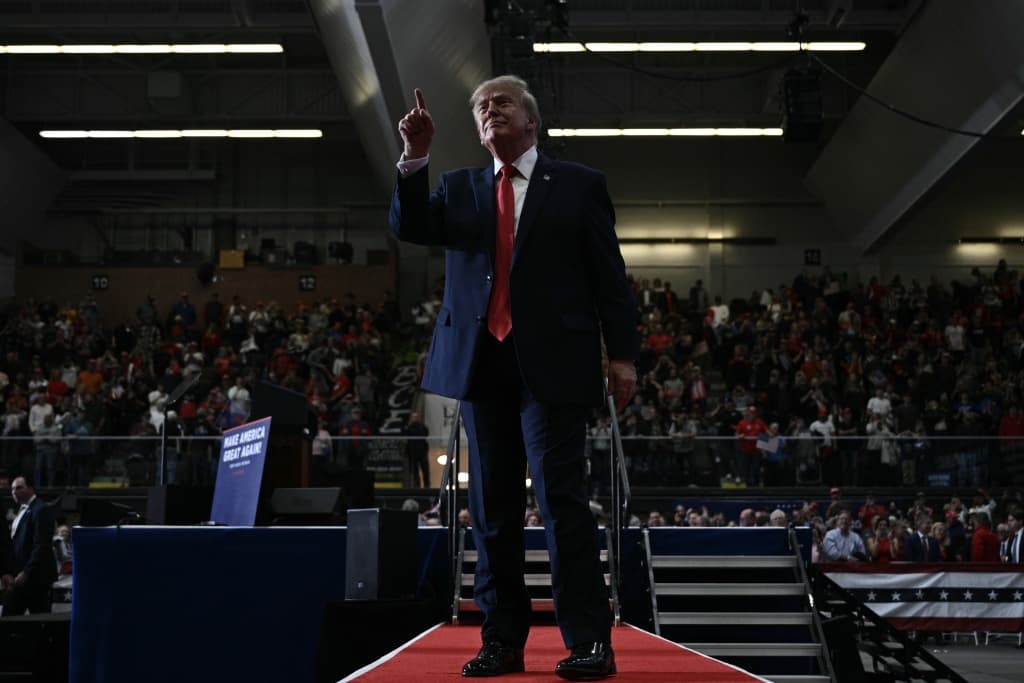
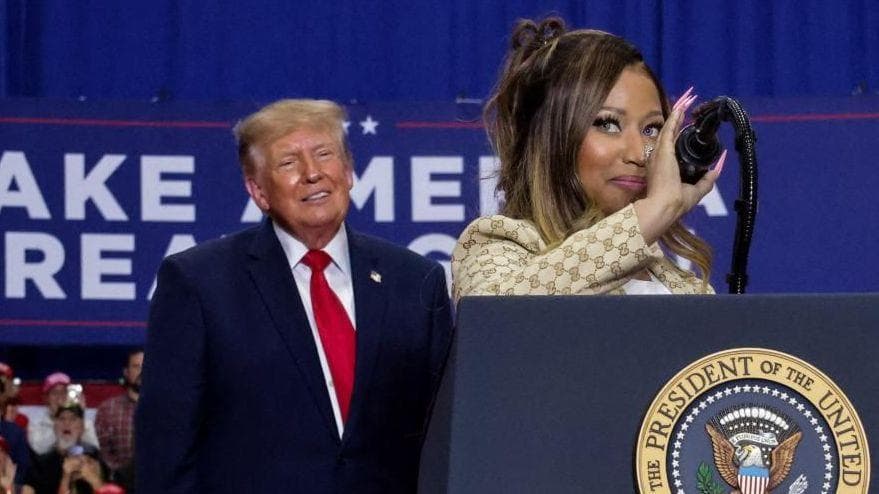
Immigration has remained a key element of Donald Trump's political message since his first campaign in 2015. As BBC Newsnotes, during his first term many of his plans to restrict immigration were held back by the courts, but in his second term those constraints have loosened: the Supreme Court has become more accommodating, and Congress has allocated tens of billions of dollars in additional funding for enforcement. The upcoming midterm elections are largely seen as a referendum on the Trump presidency, and the question of who is allowed to live in the United States remains one of the most important issues for voters. BBC commentators emphasize that although Trump has delivered on his promises of a closed border and mass deportations, even among supporters of a hard line there is growing concern that the measures have gone too far.
The border is virtually closed, and wall construction has accelerated
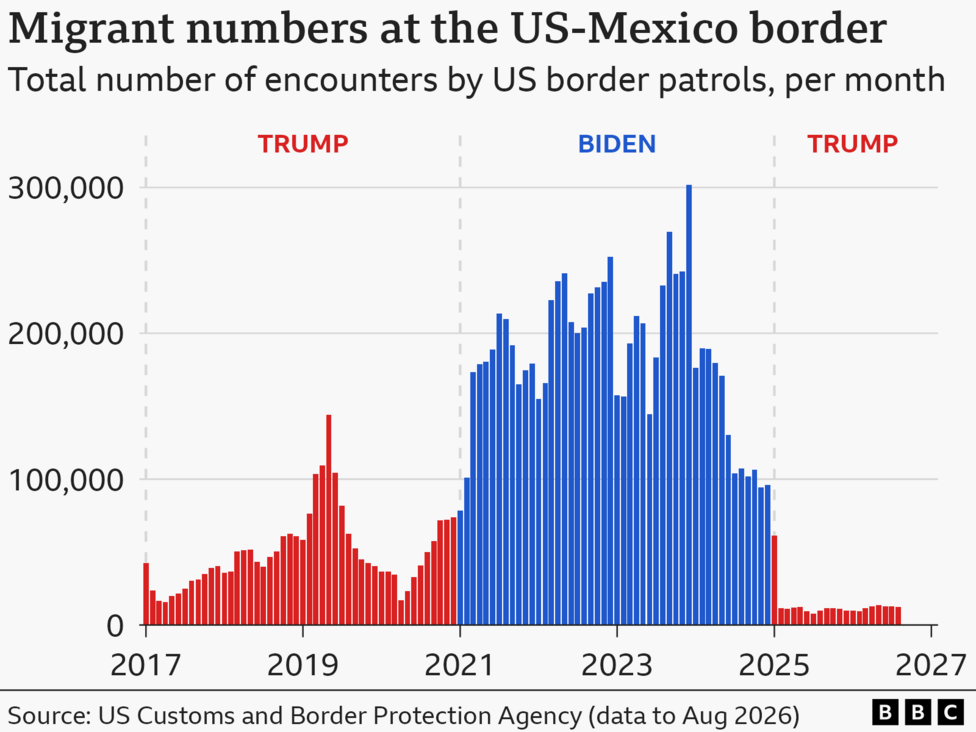
During Joe Biden's presidency, more than 4.5 million 'encounters' with migrants were recorded at the southern border in 2023–2024 alone. After Trump's return, the flow turned into a trickle: the administration effectively froze the processing of asylum claims at the border, ended the practice of releasing detainees into the US, sent troops to the border, and applied pressure on Mexico. Secretary of Homeland Security Marcwayne Mullin said on October 16: 'President Trump promised the American people a secure border, and the data proves he has delivered.' Wall construction has also accelerated thanks to $46.5 billion from the spending bill. According to government data, before Trump's return there were about 644 miles of 'primary' wall and 75 miles of 'secondary' wall; since then another 250 miles have been built, and 1,443 miles are under construction. At the same time, Aaron Reichlin-Melnick of the American Immigration Council argues that there has been no significant change in the number of border crossings since active wall construction began — he attributes the decline to the administration's policies and rhetoric rather than to the wall. Speaking in Kentucky on October 17, Trump continued to call the wall a success and claimed that Mexico had paid for it through tariffs.
Arrests and deportations have risen, but the profile of those arrested is changing
Immigration and Customs Enforcement (ICE) operations to detain people who, according to the authorities, are in the US illegally have affected cities across the country. According to the Deportation Data Project, a repository of immigration data maintained by the University of California, Berkeley and UCLA, a record of nearly 50,000 arrests was recorded in July 2026 in a single month. However, the same data showthat a significant share of arrests involve people without criminal convictions: in July 2026, the proportion of detainees with a criminal record fell to a historic low of 27%. Deportations have also risen: by mid-July, ICE was deporting an average of 1,255 people per day, compared with roughly 770 in the final months of the Biden administration. ICE's tactics have caused discomfort among many Americans, including supporters of tougher policies in general — especially after Operation Metro Surge, a two-month large-scale action in Minneapolis in early 2026, in which two US citizens died. A New York Times/Siena poll, published on October 21, showed that 50% of voters trust Democrats on immigration, compared with 46% for Republicans — even though the issue has traditionally been a Republican strength. A separate poll by Politico and Public First in late September revealed a split among Republicans: 31% of 'non-MAGA' Republicans believe the campaign has become too aggressive.
Refugee admissions have fallen sharply
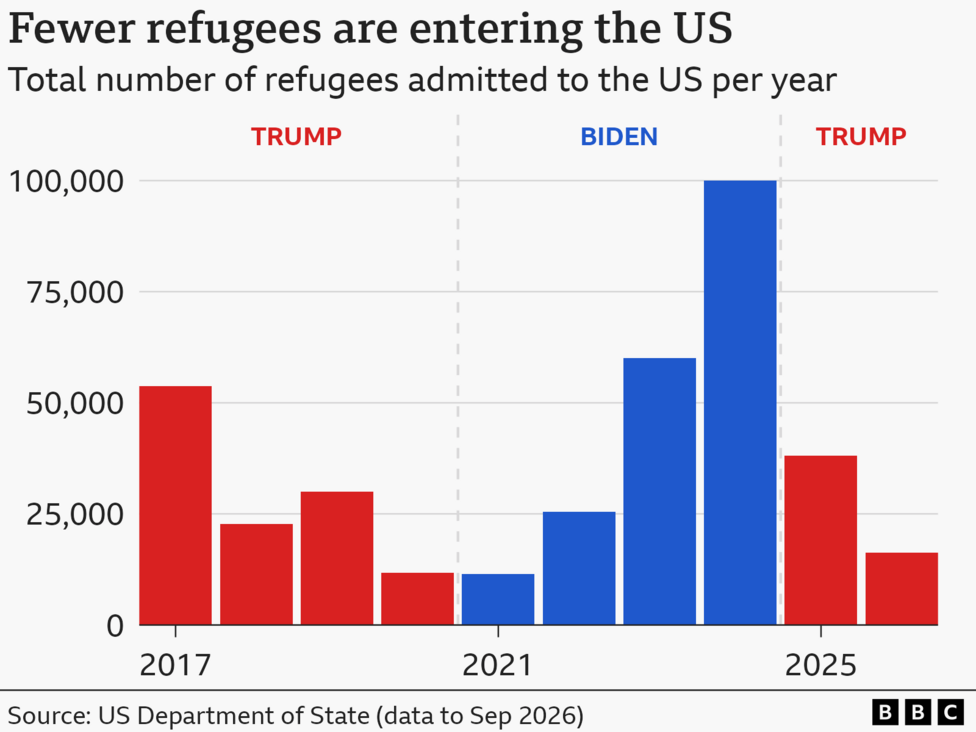
After returning to the White House, Trump almost immediately suspended refugee admissions. In February, an executive order narrowly resumed the process for Afrikaners from South Africa, whom the White House describes as persecuted — something the government in Pretoria denies. The quota for fiscal year 2026 was initially set at 7,500 people, and in May it was raised to 17,500 due to what the administration called an 'unforeseen refugee emergency.' According to the State Department, in fiscal year 2026 the US admitted 16,292 refugees, of whom 16,287 were South Africans. For comparison: in 2023 and 2024, the last two fiscal years of the Biden administration, 60,000 and 100,000 people entered respectively. In addition, hundreds of thousands of people lost protection from deportation after the temporary protected status (TPS) was revoked. In June, the Supreme Court upheld the administration's decision to end TPS for approximately 350,000 Haitians in the US.
Visas under pressure: a $100,000 fee and a 'gold card' for a million
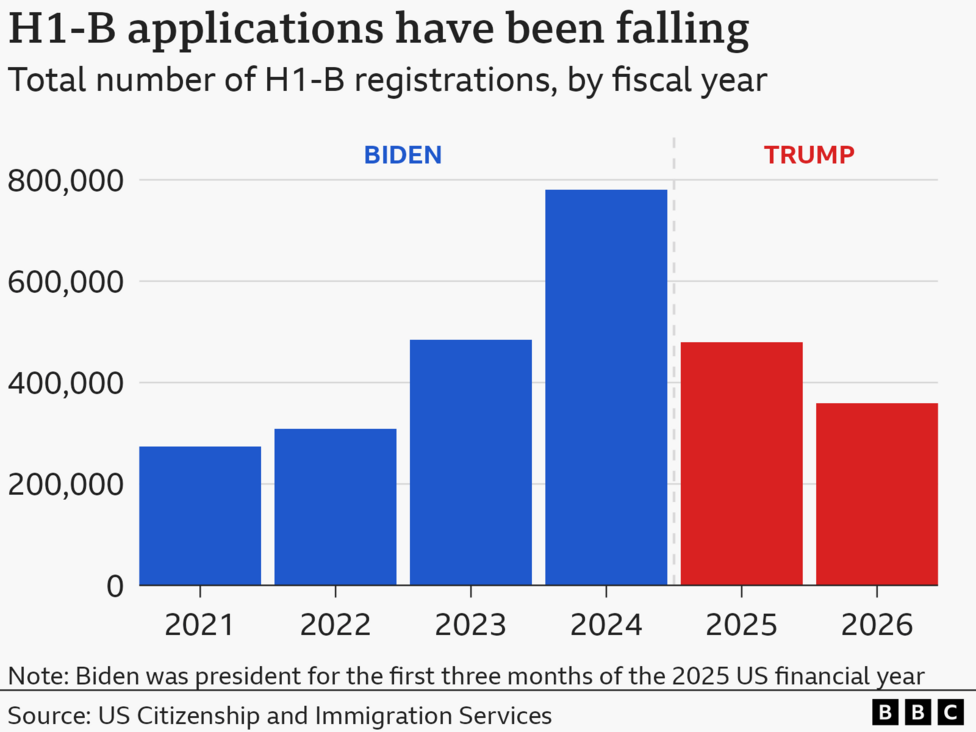
Legal immigration pathways have also narrowed: dozens of countries deemed security threats by the administration have faced full or partial visa and travel freezes, and new rules require US residents to apply for green cards from their countries of origin, which has slowed the process. In September 2025, the introduction of a $100,000 fee for new H1-B visas for skilled workers, held predominantly by Indians, shook the US tech industry. In May, US Citizenship and Immigration Services reported on Xthat registrations for 2027 had fallen by 40%, calling it a sign of the end of 'mass low-paid registrations.' A court has so far blocked the fee, but its threat appears to have already deterred employers. A study by the Wharton School of Business, however, found that the H1-B changes would have no 'significant impact' on the wages of US-born workers: reduced competition would be offset by slower productivity growth. At the same time, a new pathway opened — for the wealthy: the 'Trump Gold Card,' launched in 2025, offers rich foreigners residency in the US in exchange for a $1 million 'gift' to the government plus a non-refundable $15,000 fee. Trump claimed the program would support the economy, but by April only one applicant had been accepted.
What this means for the elections
The combination of these figures explains why immigration remains a central issue in the midterm elections, but it is no longer an unqualified asset for Republicans: an NYT/Siena poll records a Democratic advantage on this issue for the first time, and a Politico poll shows a split within Trump's camp. In practical terms, this affects migrants — from hundreds of thousands of Haitians losing TPS to cuts in H1-B visas for specialists — and employers reconsidering hiring. It remains unclear whether the growing discomfort of part of the electorate will change the election outcome: available polls capture sentiment but do not predict the result.
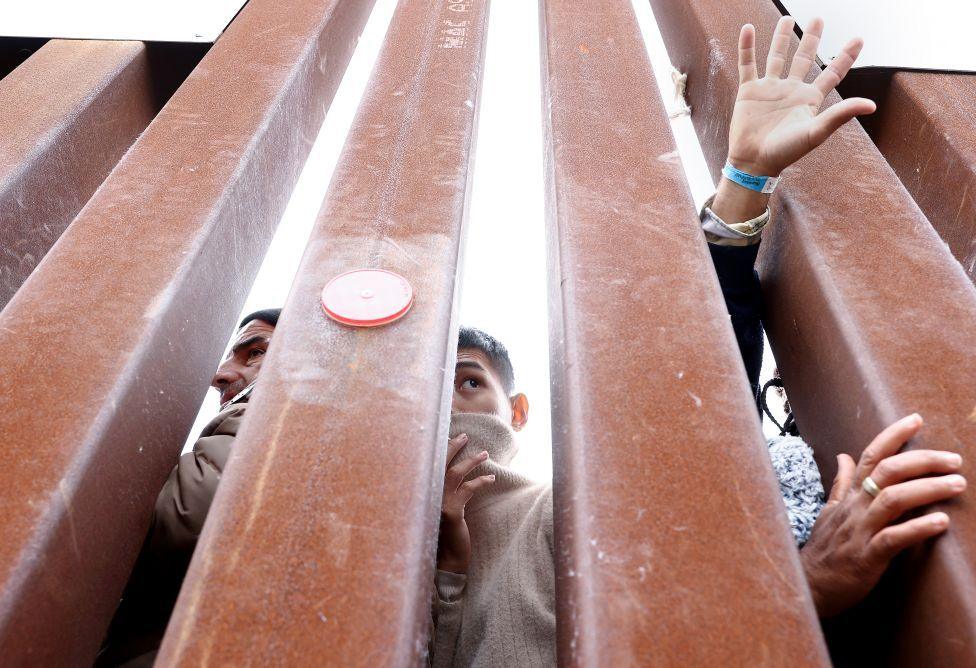 Image source, Getty Images