The key facts
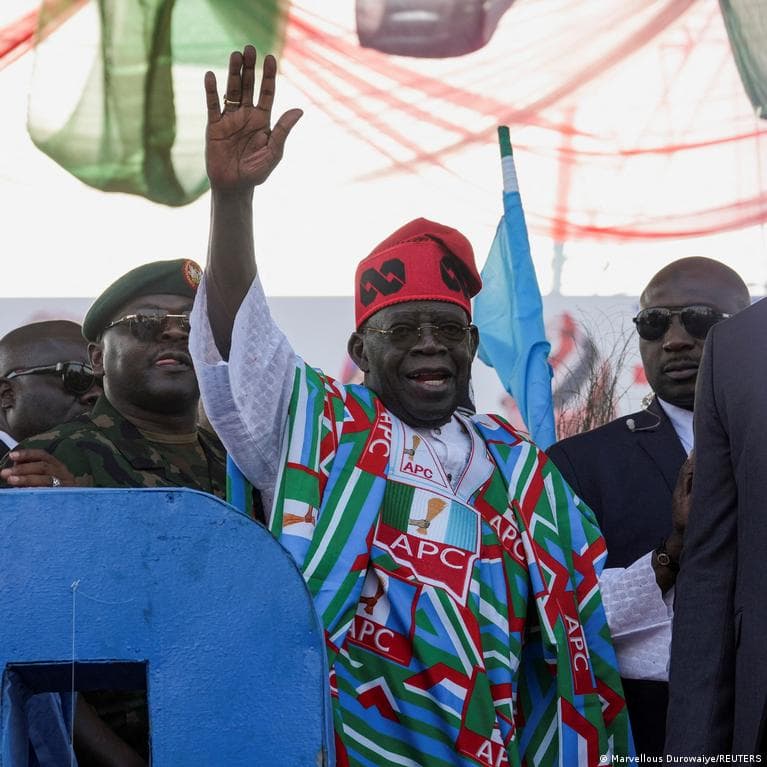
- Tinubu officially launched his second-term campaign at a rally in Kaduna on October 24
- Nigeria’s presidential election will take place in January 2027
- The main rivals are Atiku Abubakar and Peter Obi; in 2023 Tinubu received less than 36.6% of the votes
Campaign launch in Kaduna
Nigerian President Bola Tinubu on Saturday, October 24, officially announced the start of his campaign for a second term. At a large rally in the northwestern state of Kaduna, he declared: “We have prosperity, consistency, growth, recovery and opportunity,” and also promised a “better tomorrow” if voters place their trust in him again. The next presidential election in Africa’s most populous country will be held in January 2027, and, according to Deutsche Welle’s forecast, the campaign will focus on the economy and security problems.
The economy and response to criticism
After coming to power in 2023, Tinubu provoked discontent by ending decades-long fuel subsidies — the measure fueled inflation and worsened the cost-of-living crisis. At the rally, the incumbent president rejected criticism of his economic policy, shifting the blame onto his opponents: “I hear opponents talking about hunger and poverty. Who created this? They did. We are trying to eradicate it.” Earlier this month, the 74-year-old Tinubu, in an address marking Independence Day, acknowledged the existence of economic problems but said his administration’s reforms “did not create the weaknesses of our economy” but rather “confronted them.” Shortly afterward, the government announced a possible introduction of fuel price caps.
Security and the balance of power
Alongside the cost-of-living crisis, Nigeria continues to battle armed bandits and kidnappers: on Friday, the day before the rally, militants killed at least 20 people in an attack on a village in the country’s northeast. The country is also waging a long fight against a jihadist insurgency that began with the Boko Haram uprising in 2009. Tinubu’s main rivals in the election are expected to be former Vice President Atiku Abubakar and former Governor Peter Obi. For comparison: in the 2023 presidential election Tinubu received less than 36.6% of valid votes, Abubakar — 29%, Obi — 25.4%.
Why this matters
Launching the campaign with a low result from the previous election (less than 36.6% of votes in 2023) and against the backdrop of inflation caused by the removal of subsidies means that the economy and security will become the central themes of the 2027 race — Nigerians’ living conditions, including possible fuel price caps, depend directly on this. For voters, the practical takeaway is already clear: the balance of power among Tinubu, Abubakar and Obi will determine the agenda of the pre-election period. Note that information about campaign plans and the balance of power is based on Deutsche Welle’s assessments; the candidates’ official programs have not yet been presented.