The key facts
- The UzNIF IPO in May 2026 brought the state almost 700 million dollars; the fund already has nearly 10 thousand shareholders
- Shareholders will receive the first dividends in the first half of 2028; the first two IPOs of portfolio companies are planned for 2027
- The fund's NAV grew by 6.1% in the first half of the year; SQB received an exemption on dividend payments for 2025
IPO and its results
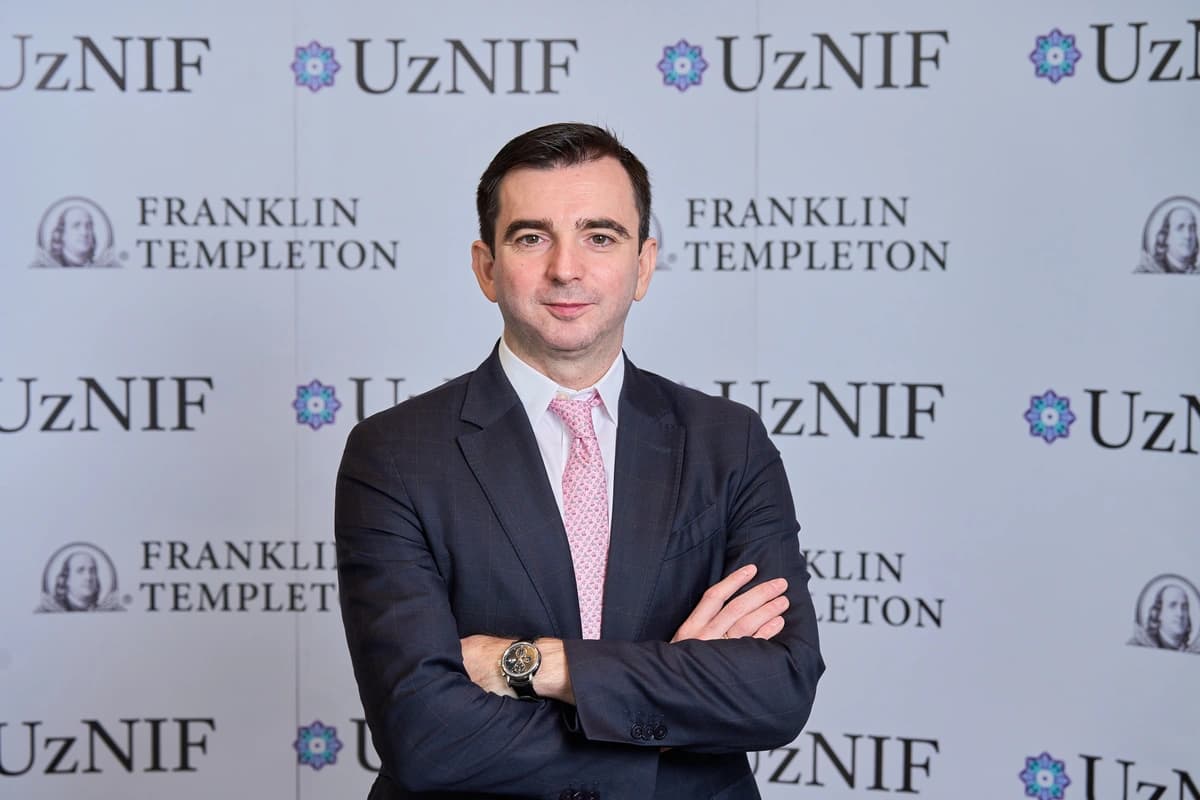
In May 2026, the National Investment Fund of Uzbekistan (UzNIF), managed by Franklin Templeton, conducted an IPO on the London and Tashkent stock exchanges, which brought the state almost 700 million dollars. According to Marius Dan, CEO of Templeton Global Investments for Central Asia, it was the largest deal in the history of the Tashkent exchange and the first listing on the London Stock Exchange since 2018 with only one global coordinating bank. It is also the first equity placement deal from Uzbekistan on the international market. The fund's shares, in his assessment, trade at a small premium to net asset value (NAV), and, in the manager's opinion, UzNIF currently has the highest valuation relative to NAV among publicly listed closed-end funds in the world. The fund already has almost 10 thousand shareholders; more than 160 institutional investors participated in the IPO.
NAV dynamics and portfolio
In the first half of the year, the fund's NAV grew by 6.1%, mainly, according to Dan, due to the results of portfolio companies — growth in energy, transport and infrastructure, as well as in the banking and insurance sectors and on the commodity exchange. The portfolio includes stakes in 13 state-owned companies, including Uzbekistan Airways, Uztelecom, SQB and energy enterprises. The valuation of non-public assets is carried out independently by one of the Big Four companies, and the NAV is published monthly.
IPO plans and dividends
Dan said that in 2027 the first two IPOs of companies from the portfolio are expected; he named Uztelecom as one of the most promising candidates, but emphasized that it will not necessarily be Uztelecom and SQB — deals are also being prepared for other companies from the presidential decree. In total, IPOs of six companies are planned over the next three years, which should change the fund's structure from predominantly non-public assets to predominantly listed ones. The IPO of Uzbekistan Airways, previously planned for this year, has been postponed: Dan explained this by the difficult situation on the global market for airlines and the need to give time for transformation initiatives to be reflected in financial results. More than 120 transformation initiatives are being implemented at the airline; the impact of rising fuel prices on it turned out to be less significant than on some competitors, thanks to its cost structure. UzNIF shareholders will receive the first dividends in the first half of 2028 — based on the dividends the fund will receive in 2027 from the portfolio companies' performance for 2026. Dan refused to name a specific dividend yield, noting that for such funds there is typically a gap of about 18 months between the end of the portfolio companies' financial year and the receipt of dividends by shareholders.
SQB and dividend policy
Uzpromstroybank (SQB) did not pay dividends on ordinary shares for 2025, despite the requirement for UzNIF portfolio companies to allocate at least 50% of net profit to dividends until 2030. The fund supported this decision: according to Dan, an exception was made so that the bank could continue to grow and reinvest profits. Such decisions, he clarified, are considered individually, and a payout ratio of 50% is generally considered the right balance between reinvestment and profit distribution.
Energy and reforms
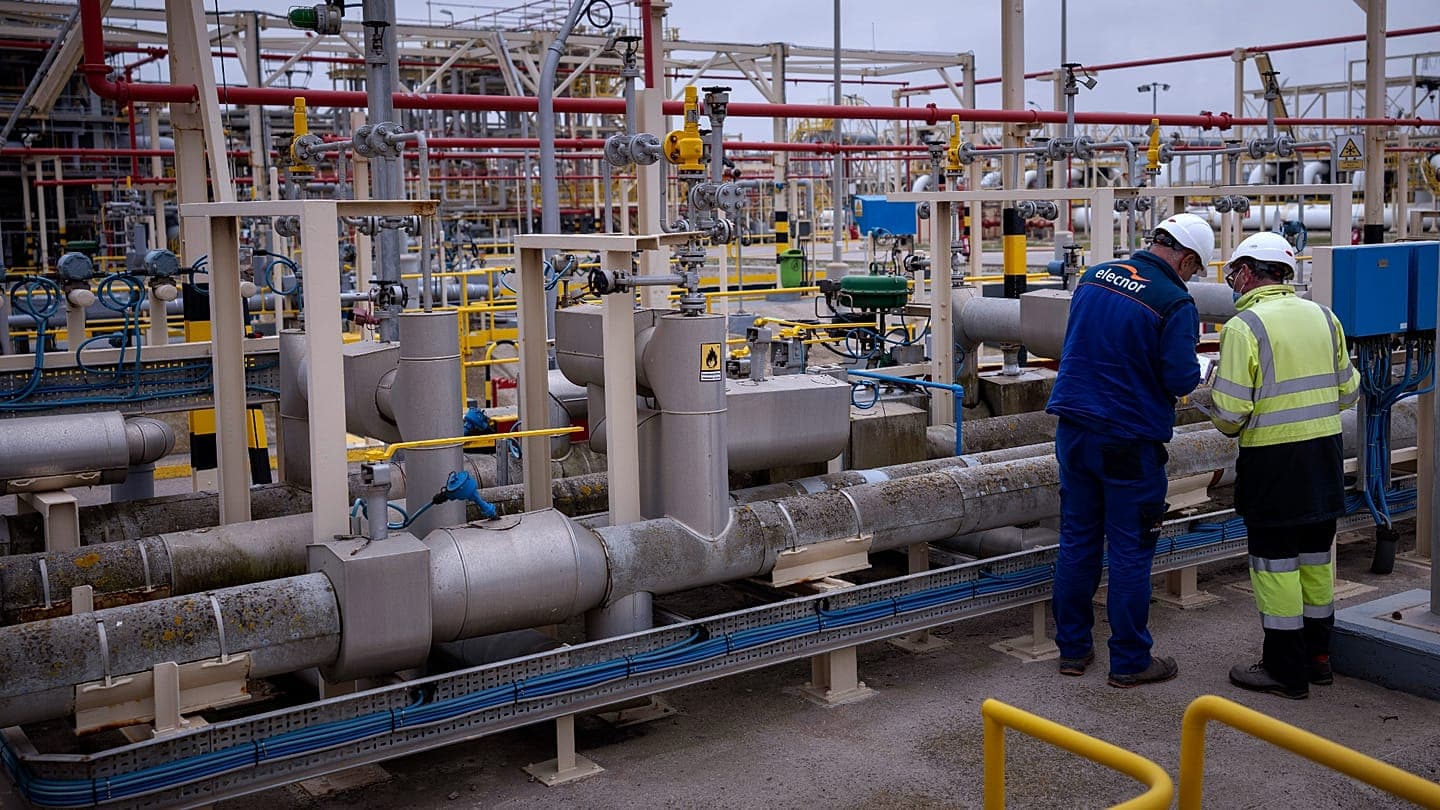
Dan noted that since August Uzbekistan has continued steps toward introducing RAB regulation (tariff setting based on the regulated asset base) and creating a more predictable regulatory system; the main thing now is consistent implementation. UzNIF does not determine tariff policy. According to targets, electricity generation should reach approximately 90 billion kWh in 2026 and exceed 129 billion kWh per year by 2030. The investment needs of the fund's energy companies are significant but differ between enterprises; private capital can play a larger role if investors are confident in the regulation, corporate governance and financial stability of the companies. Among the historically loss-making assets with which the fund is working together with the government are Regional Electric Grids, National Electric Grids of Uzbekistan, Khududgaztaminot, Uzhydroenergo and Thermal Power Plants.
Investors and privatization
More than 250 people took part in investor events in mid-October in Tashkent — 50–60% more than in October last year; more than 60% of participants were getting acquainted with Uzbekistan for the first time. According to Dan, investors with assets totaling more than 2 trillion dollars were represented in Tashkent. On privatization, he said that, in his assessment, deals over the past year and a half have been transparent, and the requirement for buyers of strategic stakes to make additional capital investments with subsequent monitoring of their implementation corresponds to widespread international practice, including Romania's experience. Dan named NAV growth as the main criterion for the fund's success over the next three years, and refused to publish specific targets.