The key facts
- Australia sanctioned two North Korean companies and two 'financial facilitators' — Sim Hyon Sop and Yu Phyong Un
- Foreign Minister Penny Wong linked the sanctions to Pyongyang's use of fraudulent IT workers to fund its nuclear and missile programs
- The move was taken on the basis of the Multilateral Sanctions Monitoring Panel's report and in coordination with the EU
Sanctions against companies and intermediaries
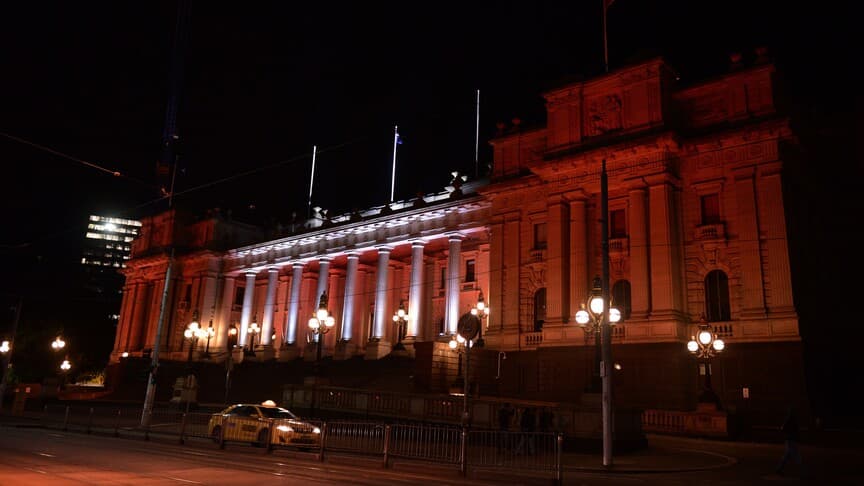
Australia has imposed sanctions on two North Korean companies and two 'financial brokers' for 'financing' the DPRK's unlawful weapons programs, an official statement said on Friday. Foreign Minister Penny Wong said the sanctioned entities and individuals 'enable Pyongyang's use of fraudulent IT workers' 'to generate revenue for the regime's nuclear and ballistic missile programs.' According to her, such workers obtain remote employment while posing as citizens of other countries, which violates UN Security Council resolutions banning the export of labor from the DPRK.
Who was sanctioned
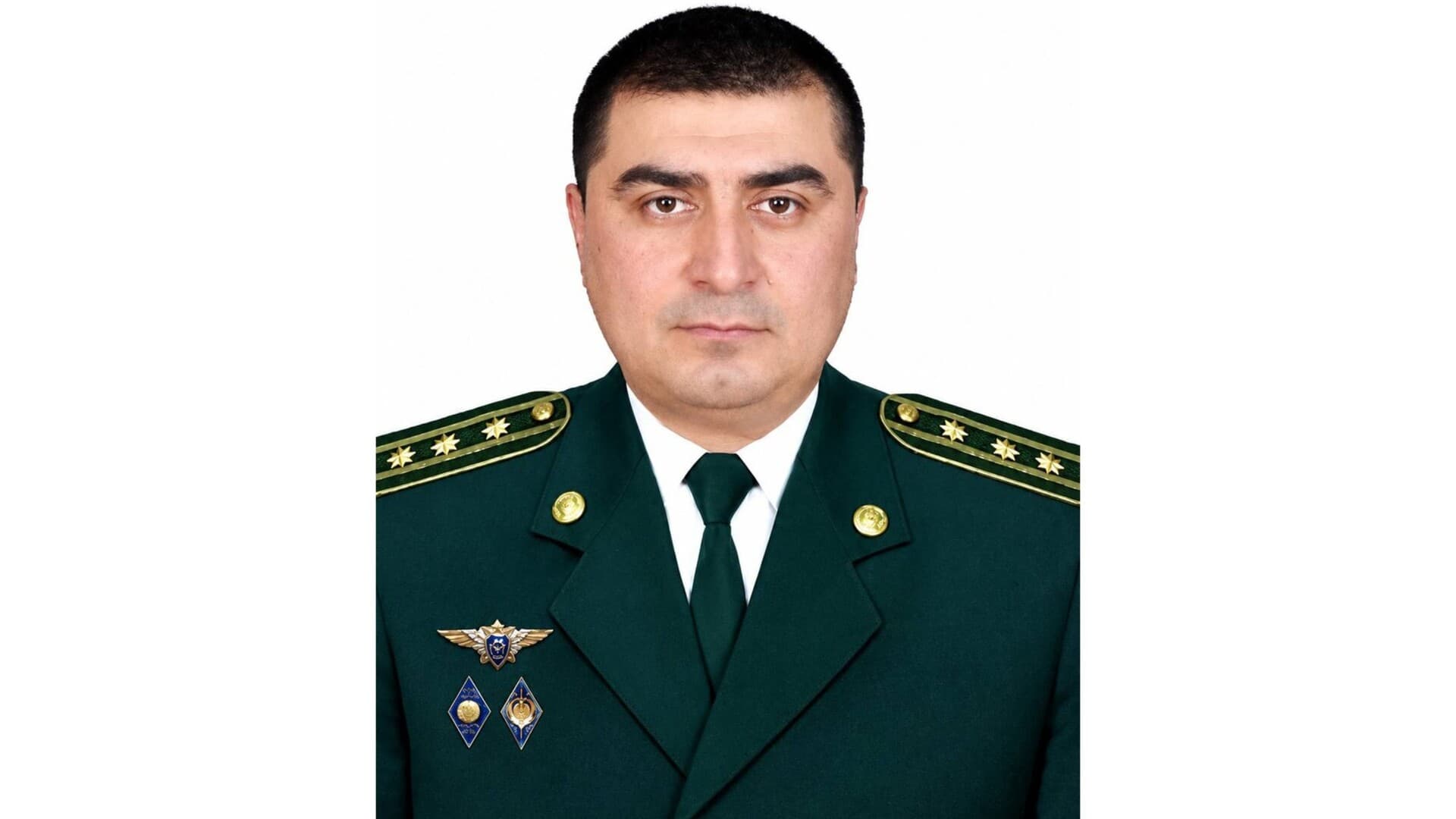
The sanctioned individuals are Sim Hyon Sop and Yu Phyong Un, whom US authorities, according to ABC News, call key financial facilitators of the regime. Pyongyang, the outlet notes, 'has repeatedly denied creating shadow financial networks and calls the accusations against it fabricated.' The DPRK remains one of the most sanctioned countries in the world because of its nuclear program.
Context: the monitoring panel's report
Wong explained that the sanctions were imposed 'on the basis of findings by the Multilateral Sanctions Monitoring Panel' and were taken 'in coordination with international partners, including the European Union'. She called on the DPRK to 'fully comply with UN Security Council resolutions and take concrete steps toward complete, verifiable and irreversible denuclearization.' Canberra's move followed the monitoring panel's statement last month that between 35,600 and more than 100,000 North Korean workers remain in at least 17 countries, mainly in China and Russia, despite UN demands for their repatriation; according to the panel, some of them took part in the production of military drones in Russia. Pyongyang rejected these claims, accusing the panel of portraying legitimate economic cooperation as violations of UN sanctions, and the DPRK's Foreign Ministry called it 'a ghost panel with no legitimacy.' The panel was established in October 2024 after Russia blocked the extension of the mandate of the UN panel of experts monitoring sanctions; it includes the United States, South Korea, Japan, Australia, Canada, France, Germany, Italy, the Netherlands, New Zealand and the United Kingdom.
Why it matters
Canberra's decision shows that after the UN effectively lost its mechanism for monitoring sanctions against the DPRK, its functions passed to a coalition of 11 states, and their findings are used directly as grounds for new sanctions. This affects the countries where, by the panel's estimate, tens of thousands of North Koreans continue to work, as well as companies hiring remote IT specialists: it is precisely this scheme, according to the Australian minister, that serves as a source of funding for weapons programs. The practical consequence is an expansion of the list of sanctioned individuals and entities with whom financial and business contacts are restricted.