The key facts
- Over the year (October 2025 — October 2026), more than 113,000 protocols were drawn up against fare-evading passengers in Tashkent, and 2.7 billion soums in fines were collected.
- 98% of those who did not pay the fare are passengers under 30; fare evaders make up 8–10% of passengers.
- The Ministry of Transport proposed increasing the fine from 44,000 soums fivefold; the matter is being coordinated with agencies.
Fare evader statistics and new powers of inspectors
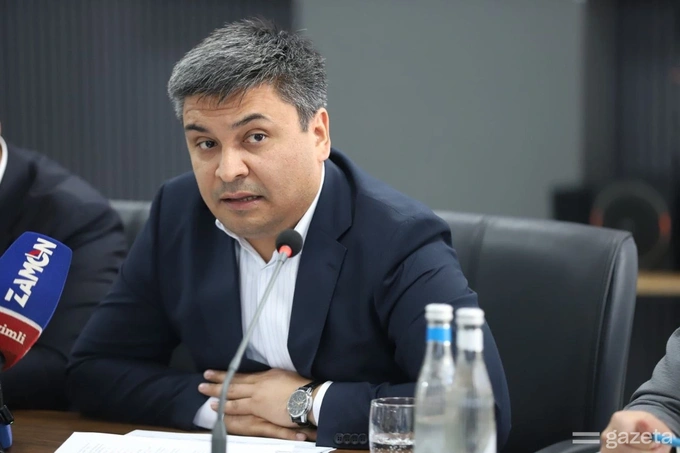
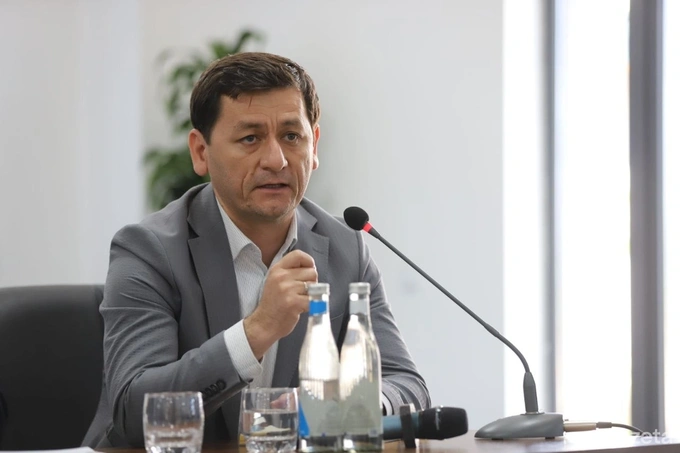
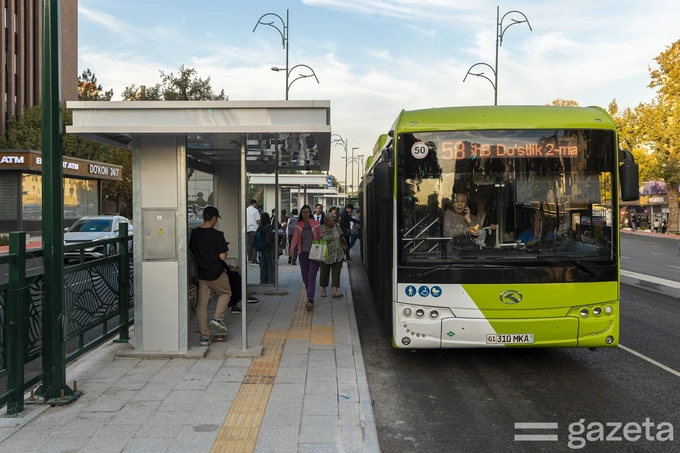
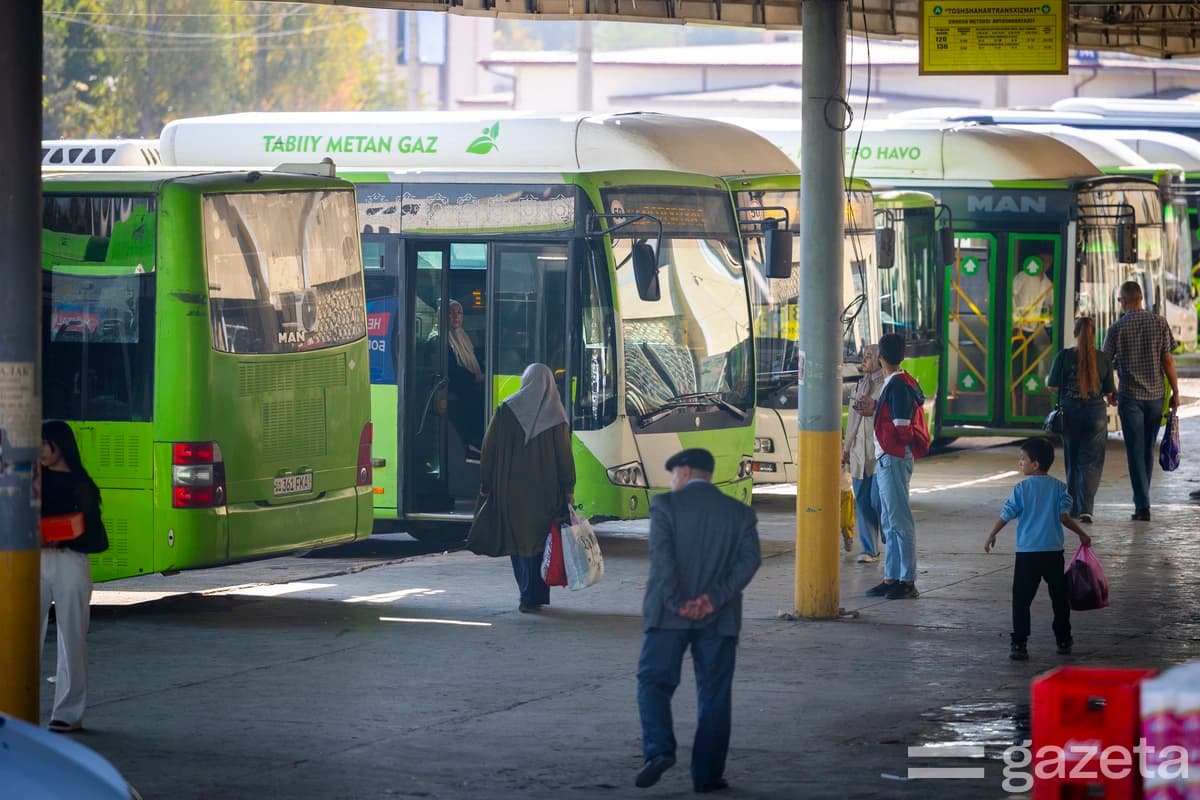
Over the past year in Tashkent, administrative protocols were drawn up against more than 113,000 passengers who traveled without paying, and 2.7 billion soums in fines were collected. This was announced on October 16 at a press conference at the Content Training Center by representatives of the Ministry of Transport of Uzbekistan. First Deputy Minister Mamanbiy Omarov noted that Tashkent buses make 24,000 trips a day, and according to identified cases, more than a thousand passengers ride without paying daily; the actual figure may be higher. Head of the Main Transport Directorate of Tashkent Mirakbar Ikromov reported that fare evaders make up 8–10% of passengers, and on some routes more than 10%. From September 1, 2026, passengers are required to pay the fare upon entering the bus. By a cabinet of ministers resolution of June 3 (No. 276), inspectors were given the right to check payment inside the cabin — previously, raids were conducted mainly at intermediate and final stops. According to Ikromov, the new procedure increased the detection rate of fare evaders. Inspectors are instructed not to check everyone during rush hours, but to conduct checks when there are fewer people. All inspectors are equipped with body cameras and tablets, their actions and behavior are monitored; there are no mandatory quotas for the number of detained violators.
Who rides without a ticket and the ministry's position
According to Mirakbar Ikromov, 98% of those who did not pay the fare are people under 30. Press secretary of the Ministry of Transport Navruz Ashurmatov emphasized that payment discipline is linked to the quality of public transport: funds collected from passengers are important for covering part of transport costs. He recalled that discounted ATTO cards with a 50% fare discount have been introduced for schoolchildren and students, and called for strengthening public oversight of those who do not pay the fare. In his opinion, if a culture of payment is formed and the majority of passengers pay in full, the need for inspectors will decrease.
Proposal for a fivefold increase in the fine
The Ministry of Transport has developed a proposal to increase the current fine of 44,000 soums for traveling without payment fivefold; the matter is being coordinated with ministries and agencies. Ikromov stated that the initiative is aimed not at increasing budget revenues, but at influencing the culture of using public transport. Ashurmatov added that the size of the fine should influence the prevention of violations: if a passenger does not feel financial damage, they may repeat the violation and get used to it. According to him, in international practice strict measures are applied to fare evaders, and in developed countries fines are significantly higher. Ikromov also reported that after the tariff increase on October 1, no increase in the number of fare evaders has been recorded: on the contrary, a record for daily transportation was set — 1 million 520 thousand passengers.
Transport financing and tariffs
Mamanbiy Omarov explained that transportation is paid for per kilometer traveled, revenue goes into an accumulation fund, and the missing part of expenses is covered from the state budget — therefore, a tariff increase does not mean a reduction in government spending. State funds also go toward purchasing new buses and increasing the number of routes. According to him, public transport tariffs in Uzbekistan are among the five cheapest by international comparisons, while per capita income and GDP should be taken into account. He referred to the president's social policy 'For the Dignity of a Person' and noted that the tariff has not been raised in the last three years, but the budget is limited and funds are also needed for schools, hospitals, and other social facilities. Ikromov cited data: in 2025, 1.8 trillion soums were allocated from the budget for public transport in Tashkent, passenger payments amounted to 600 billion soums — that is, a third of expenses were covered by passengers. The cost of transporting one passenger by bus is currently 5,580 soums. Next year, another 500 buses are planned to be delivered, the number of routes increased, and intervals between trips reduced. According to current forecasts, transport expenses next year will amount to 2.7 trillion soums; with a tariff of 2,500 soums, revenues from passengers could reach about 1 trillion soums, with the remaining 1.7 trillion covered by the budget — more than 60% of expenses will fall on the state. Ashurmatov added that even after the tariff increase, more than half of transport expenses are covered by the state, and passengers can use tariff packages with discounts for transfers and depending on the number of trips; some banks also participate in transport payments, offering cashback for each trip.