The key facts
- Iran's ambassador Mohammad Al-Sadeg said that at a meeting of the joint security commission Iraq agreed to expel the groups or hand them over to Iran
- Iraqi authorities and Kurdistan have not officially commented on the statement; representatives of the groups say they received no notifications
- The 2023 security agreement obligated Baghdad to disarm the groups and move them away from the border
The Iranian ambassador's statement
Iran's Ambassador to Baghdad, Mohammad Al-Sadeg, said on Tuesday that Iraq had agreed either to expel the Iranian Kurdish opposition groups based in the Kurdistan region or to hand them over to Tehran. The statement came after he took part on Monday in a meeting of the Iraqi-Iranian joint security committee in Baghdad. The Iraqi delegation was led by National Security Adviser Qasim Al-Abudi and also included representatives of the autonomous Kurdistan region. On X, Al-Sadeg wrote that the sides had agreed to 'remove the elements of Iranian separatist terrorist groups from the Kurdistan region in Iraq or hand them over to Iran.'
Reaction and confirmations
There was no immediate comment from the government of Iraq, the Kurdistan region, or Al-Abudi. The official Iraqi summary of the meeting said only that the sides discussed implementation of the security agreement, 'unresolved issues and problems,' and identified 'suitable solutions.' Representatives of the Iranian Kurdish groups said they had received no notification of a decision to expel them. 'To date, we have received no official message from either the federal government of Iraq or the Kurdistan Regional Government,' Hajar Berenji, the US representative of the Democratic Party of Iranian Kurdistan (PDKI), told The National. An official of one of the parties, who did not identify himself, added that 'the KRG is a mediator on this issue' and that it was necessary to wait.
Context of the 2023 agreement
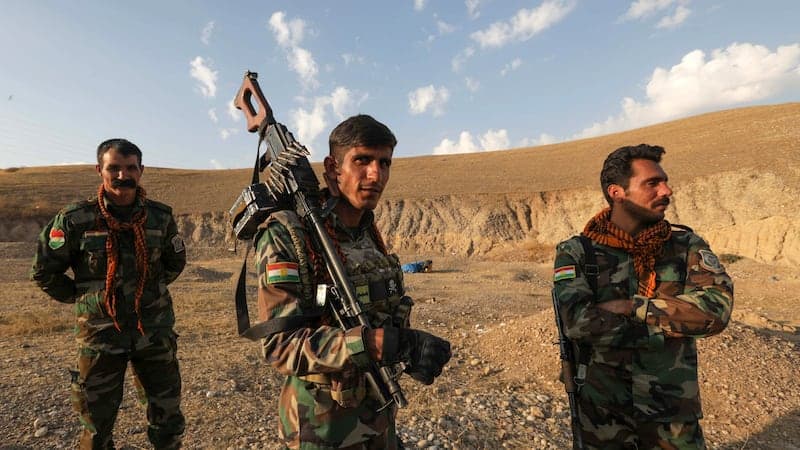
Iraq and Iran signed a bilateral security agreement in March 2023: Baghdad committed to disarming the Iranian Kurdish opposition groups, moving them out of the border zone, and not allowing Iraqi territory to be used for attacks on Iran. The groups — the PDKI, Komala, the Party of Free Life of Kurdistan, and the Kurdistan Freedom Party — were to surrender heavy weapons and move to camps farther from the border; Iraqi officials at the time spoke of relocating families to five designated camps in the Kurdistan region and considering asylum applications with UNHCR. Implementation has been uneven: Baghdad reports the withdrawal of fighters from border areas and the closure of some headquarters, while Tehran calls the measures insufficient and continues to strike camps in the Erbil and Sulaymaniyah provinces with drones and missiles.
The parties' positions and pressure
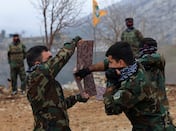
The groups, some of which have been based in northern Iraq since the 1980s — after the Islamic Revolution and during the Iran-Iraq war — seek greater rights for Iran's Kurdish minority. Tehran accuses them of terrorism and fomenting unrest, including the 2022 protests following the death of Mahsa Amini. Pressure on Baghdad and Erbil is mounting: last week the president of the Kurdistan region, Nechirvan Barzani, said that 'the Iranian opposition forces have acted extremely irresponsibly and put the Kurdistan region in an extremely difficult position,' adding that 'an armed force cannot consider the Kurdistan region a safe haven and act from its territory, threatening a neighboring country' — in connection with reports of the groups' plans to move to Iran with US support. Earlier this year, a senior official of the Patriotic Union of Kurdistan, Darbaz Rasul, told The National: 'We are not going to do that [ask them to leave], because they are our people.' The expulsion of the groups or their handover to Iran, if confirmed, would mark a significant hardening of Iraq's position and would raise legal and humanitarian questions, given that thousands of Iranian Kurdish refugees live in Iraq, mostly in the Kurdistan region. The KRG has previously opposed forced returns, calling for a peaceful resolution with respect for the Iraqi constitution, which prohibits armed groups from threatening neighbors, and for the protection of refugees' rights.