The key facts
- Oman's foreign minister proposed a security pact involving Iran, Iraq and Yemen
- According to him, the US should play an economic rather than a military role in the region
- Oman cites a 1976 precedent, when eight Gulf states attempted to create a similar structure
A proposal for a regional pact
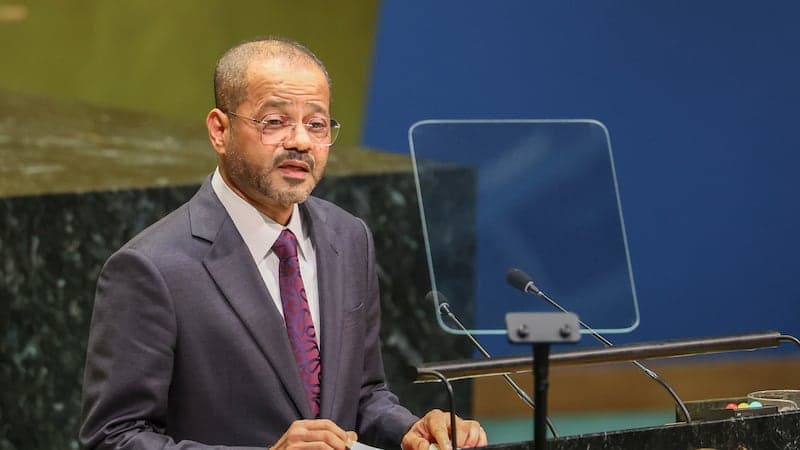
Oman's Foreign Minister Badr Al Busaidi called for a peace agreement between the Arab states of the Persian Gulf and Iran, providing for cooperation in security and the regional economy. According to him, the pact should also include Iraq and Yemen, where Tehran has armed allies. The statement was made on Wednesday during a visit to the United Kingdom, as reported by The National.
Criticism of the role of external powers
“A Gulf security architecture that excludes Iran is inherently unstable and structurally unsound,” Al Busaidi said on BBC Radio 4, adding that Iran is an “objective reality” that cannot be ignored. He first voiced the initiative on Monday in a lecture at the University of Cambridge, where he noted that the effective closure of the Strait of Hormuz had become “impossible to resolve” because “external powers continue to dictate the terms of engagement.” In his view, the region's problems should be solved by the Gulf states themselves, and the current security mechanisms remain underdeveloped due to years of reliance on external forces.
The place of the US and the conflict context
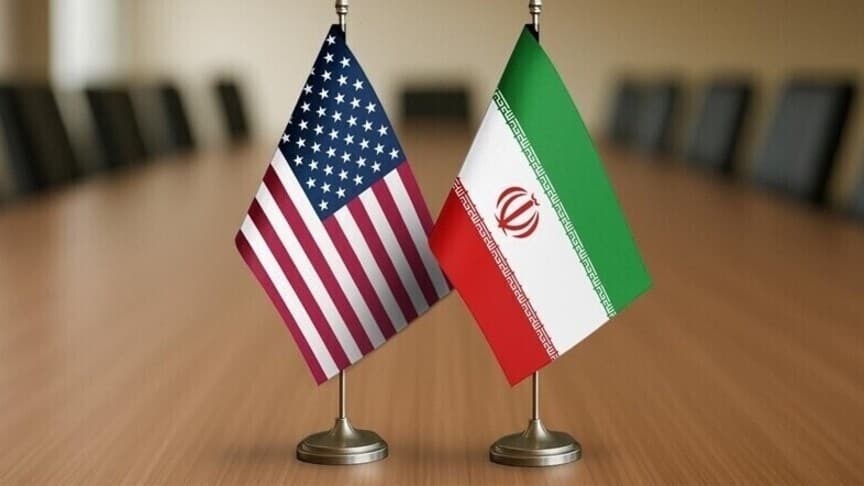
On Wednesday, the minister sought to reassure that the pact does not imply a desire for less US involvement in the region: in his words, Washington and other partners could “invest significantly more in the region's economic prospects.” “The time has come to shift the emphasis — from a purely military sphere to a more profitable economic one for all of us,” he said. Al Busaidi blamed the war and rising instability on American airstrikes on Iran in February, noting that Iran had repeatedly attacked energy facilities in the Gulf, while the Houthis, whom it backs, had targeted infrastructure and civilian airports in Saudi Arabia.
Oman's position and a historical precedent
Oman maintains relations with Tehran and the Houthis and traditionally acts as an intermediary between the US and its Western allies, but it is not taking part in the current ceasefire talks between the US and Iran, which are being conducted by Pakistan and Qatar. According to The National, earlier this year President Trump was reported to have threatened to bomb Oman, claiming the country was “getting in the way” of efforts to reach an alternative agreement with Iran on reopening the Strait of Hormuz. Al Busaidi cited a precedent: in November 1976, the foreign ministers of eight Gulf states gathered in Muscat, but the process was derailed by the Iranian revolution, the Iran–Iraq war and the invasion of Afghanistan. According to him, the circumstances that prevented it then “no longer exist”: “Today we want to convene a proper inclusive process among all the countries of the region.”