The key facts
- Three sentenced to death, eight to five years of penal servitude
- Charges: spying for Iran, plot against Sheikh Fahad Al Sabah, membership in Hezbollah
- The court classified the conspiracy as a hostile act against the state
Verdict in the conspiracy case
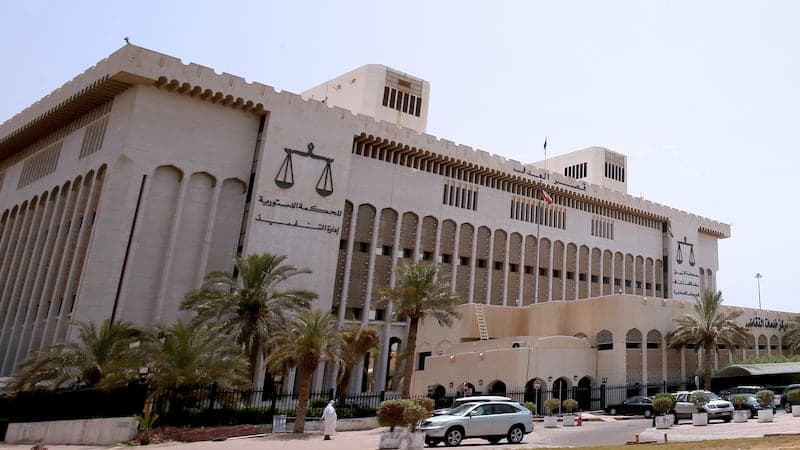
Kuwait's criminal court has sentenced three men to death for plotting to assassinate First Deputy Prime Minister and Interior Minister Sheikh Fahad Yousef Saud Al Sabah, spying for Iran, and joining the Lebanese group Hezbollah. Eight more defendants received five years of penal servitude, the newspaper reported The National citing local media on October 27, 2026.
The court's reasoning
According to the court's ruling, the convicted men harmed Kuwait's national interests. The court stated that organizing a group inside the country to eliminate an official responsible for internal security, on instructions from a foreign entity, constitutes a hostile act against the state. Such a conspiracy, in the court's wording, was aimed at undermining national security, spreading unrest, and eroding public trust in the authorities' ability to protect lives and property. The court emphasized that national security is the right of society as a whole, and that Kuwait's sovereignty cannot be challenged by foreign powers or their directives.
Context: a series of security cases
The verdict is part of a broader series of security cases in the country. According to The National, in August 2026 Kuwait's security services foiled a terrorist plot against vital infrastructure and detained a suspect linked to ISIS before the attack could be carried out. In March 2026, the authorities arrested dozens of people on charges of ties to Hezbollah: the Interior Ministry reported that six people confessed to espionage and terrorist activities, including training in 'assassination skills'; five of them were Kuwaiti citizens, while another 14 suspects — Kuwaitis, Lebanese, and Iranians — were identified outside the country. In a separate case, 14 Kuwaitis and two Lebanese linked to the group were detained on suspicion of a 'sabotage plot.' The newspaper also notes that Gulf states have faced security threats this year amid attacks by Iran and internal plots in support of the Iranian regime — this assessment belongs to the newspaper, not the court.