News

heating season

News about heating season: events, facts and developments on tafs uz.

8 stories

WSJ: Kyiv prepares for the harshest winter of the conflict

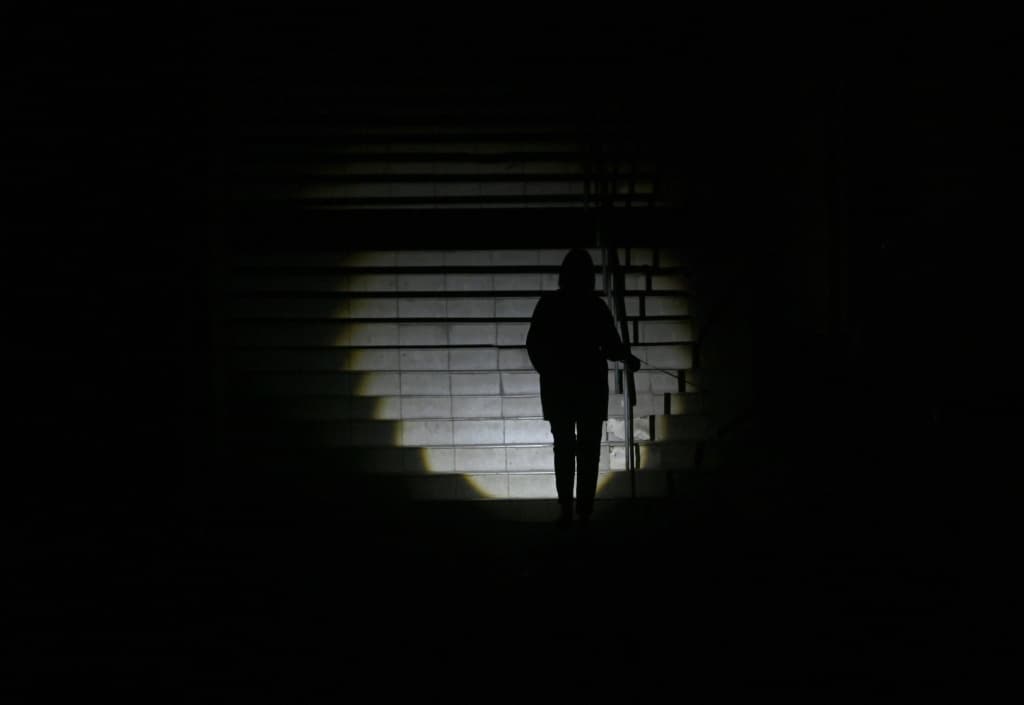
The Wall Street Journal reports that residents of Kyiv are preparing for the harshest winter of the entire conflict amid increasingly frequent power outages and water supply disruptions. About three million people fear the severe cold, and some are considering relocating: the number of rental apartments in Kyiv has grown by 66% since the beginning of August, while available housing in the western regions has decreased.

3 min read

Hot water quality restored to standard in Tashkent after complaints of chemical smell

Veolia Energy Tashkent reported that the hot water quality situation in the area of the Tashkent Thermal Power Plant has stabilized, and indicators for most consumers have returned to normal. Samples were tested by the internal laboratory and the laboratory of Tashkent City Water Supply. Earlier, residents of five districts of the city complained of a foreign chemical smell in the water.

1 min read

Uzbekistan proposes paying over 1 million needy families 1 million soums each ahead of the heating season

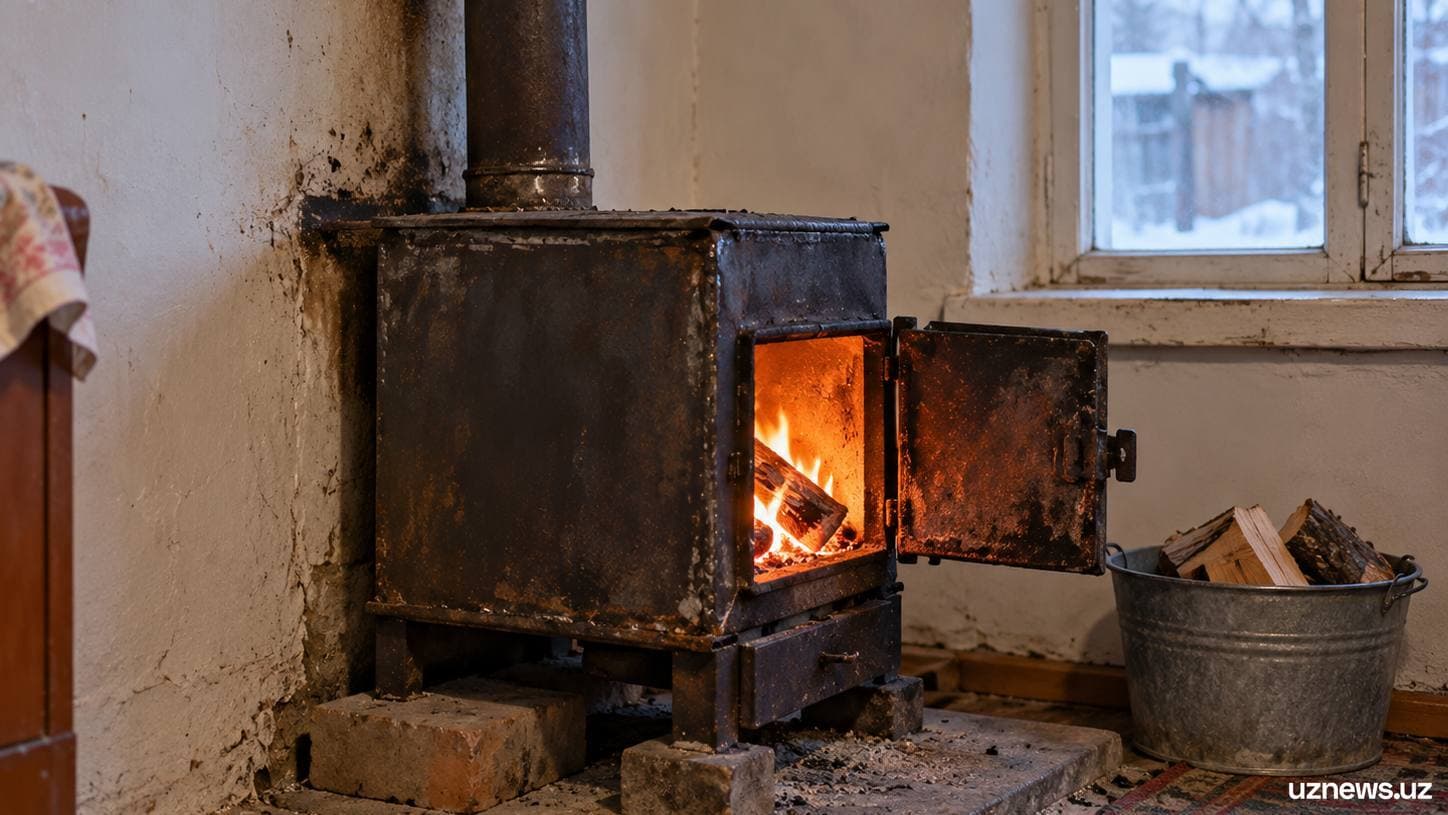
A draft presidential decree published by the National Agency for Social Protection provides for a one-time payment of 1 million soums in November 2026 to more than 1,017,000 families. It also proposes raising the basic electricity norm for non-gasified areas, expanding compensation for electricity, gas and coal, and introducing new heating and hot water tariffs from 1 November.

4 min read

Uzbekistan explains why the baseline electricity norm for non-gasified areas is being raised to 350 rather than 500 kWh

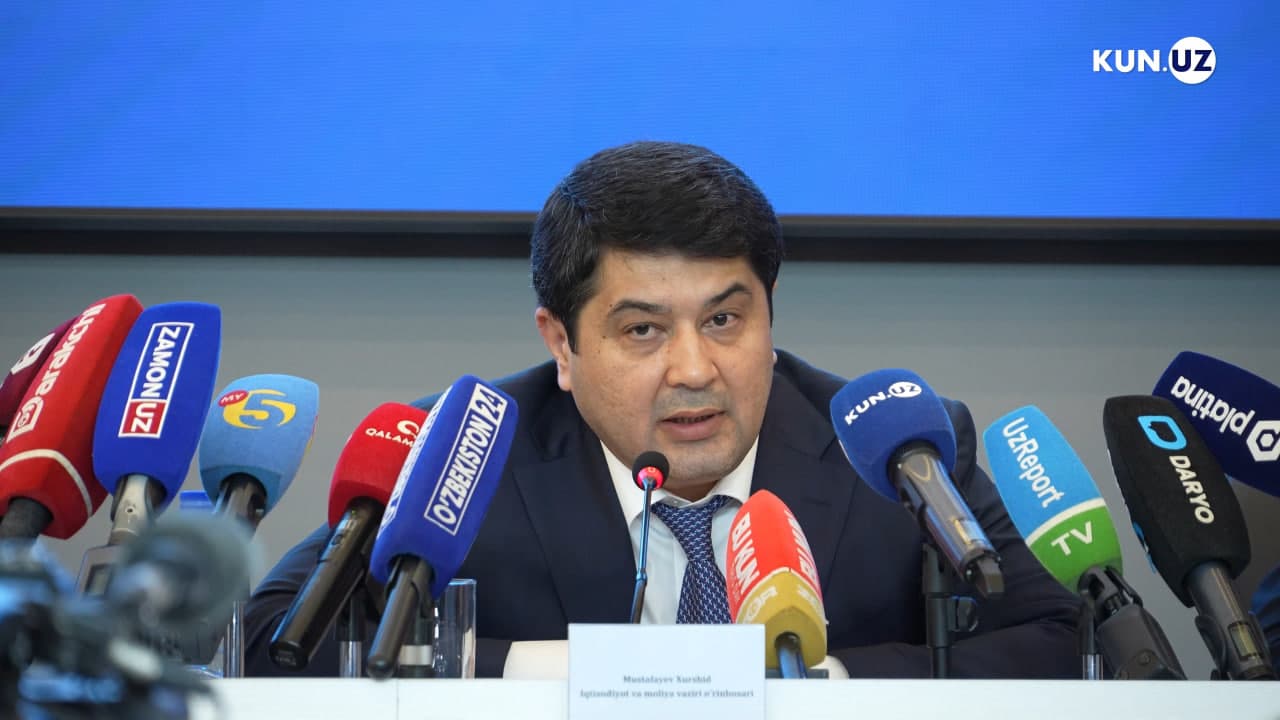
At a press conference on October 14, Deputy Minister of Economy and Finance Khurshid Mustafayev explained the reasons for choosing a baseline norm of 350 kWh: analysis showed that 60% of residents of non-gasified areas consume up to 300 kWh in winter. The raised norm is planned to take effect from November 1, 2026 during the heating season; the 500 kWh option was not supported by a separate comparative calculation.

3 min read