News

healthcare

News about healthcare: events, facts and developments on tafs uz.

48 stories

At Roche Forum in Basel, healthcare was named a driver of economic growth

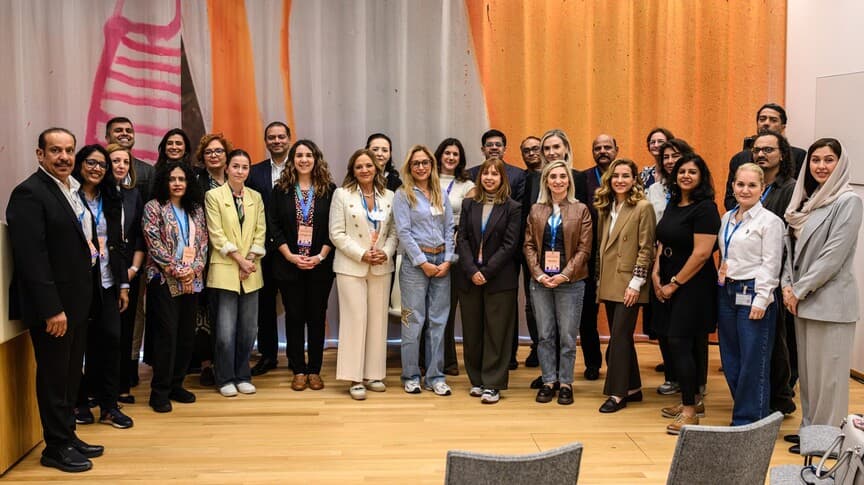
At the Roche Media Dialogue 2026 in Basel, company executives and researchers stated that investments in healthcare should be viewed as long-term investments rather than expenses. Estimates cited: pharmaceutical innovations accounted for about 40% of the increase in global life expectancy in 1984–2000, migraine costs Germany roughly €100 billion per year, and every dollar invested in preventing non-communicable diseases could yield $7 in returns.

3 min read

In Uzbekistan, Medical Workers' Day May Be Renamed Medical and Pharmaceutical Workers' Day

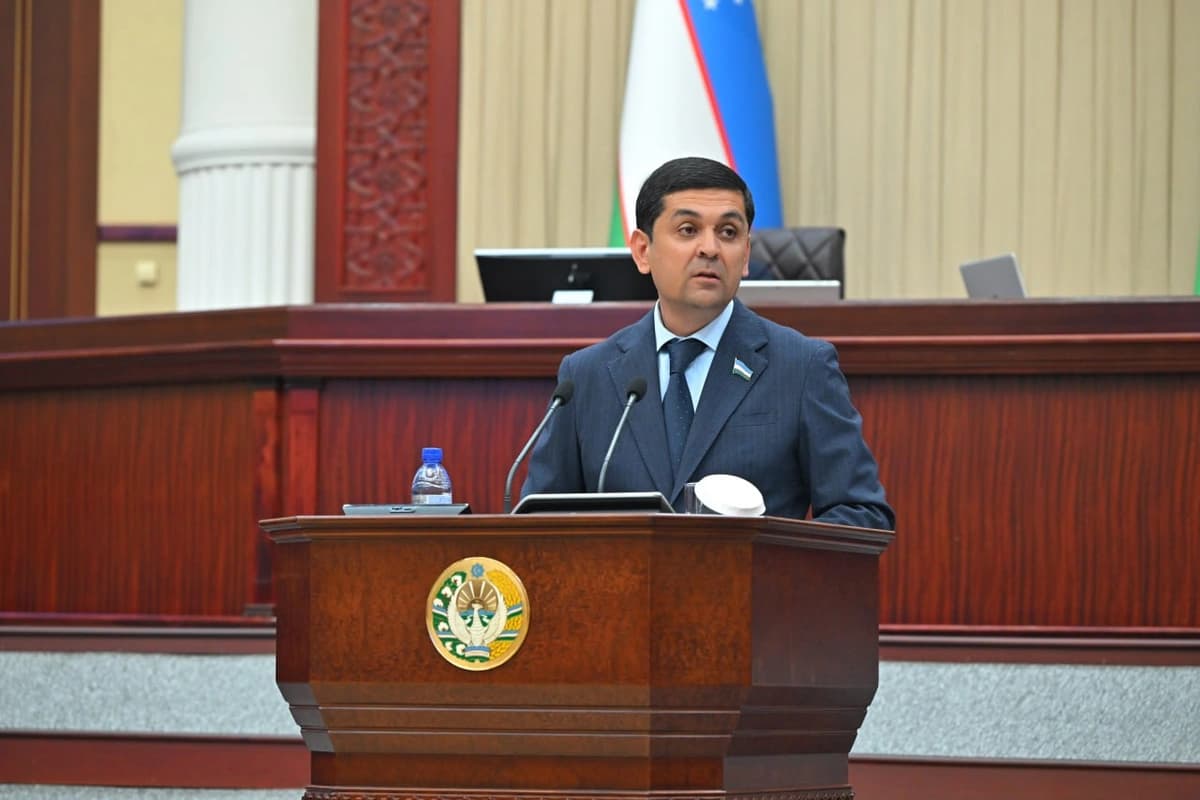
The Legislative Chamber of the Oliy Majlis adopted in second reading a bill renaming Medical Workers' Day as Medical and Pharmaceutical Workers' Day. The holiday keeps its date — the second Sunday of November. The document was developed by the Health Ministry on the president's instruction and sent to the Senate. During discussion, a deputy asked why a separate holiday for pharmacists, observed in a number of countries on September 25, was not considered.

3 min read

Uzbekistan's Migration Agency recruits doctors and nurses to work in Czechia, Slovakia and Poland

The Migration Agency, together with the Slovak company Penta Hospitals International, invites Uzbek doctors, nurses and male nurses to work in Czechia, Slovakia and Poland. Selected candidates will have three-month language courses and accommodation paid for, and will be helped with visas. Salary — from €1800 to €2200 per month. Training starts in November 2026.

2 min read

Skolkovo Opens a Longevity Research Laboratory

A longevity laboratory has been established at the Skolkovo management school's healthcare development center in Moscow. According to Vedomosti, it will study the impact of rising life expectancy on healthcare, markets, labor activity, and public policy. Maria Vorontsova spoke about the limits of science in extending life and mentioned a 30 million ruble grant, while the WSJ previously reported on a $26 billion anti-aging program.

2 min read

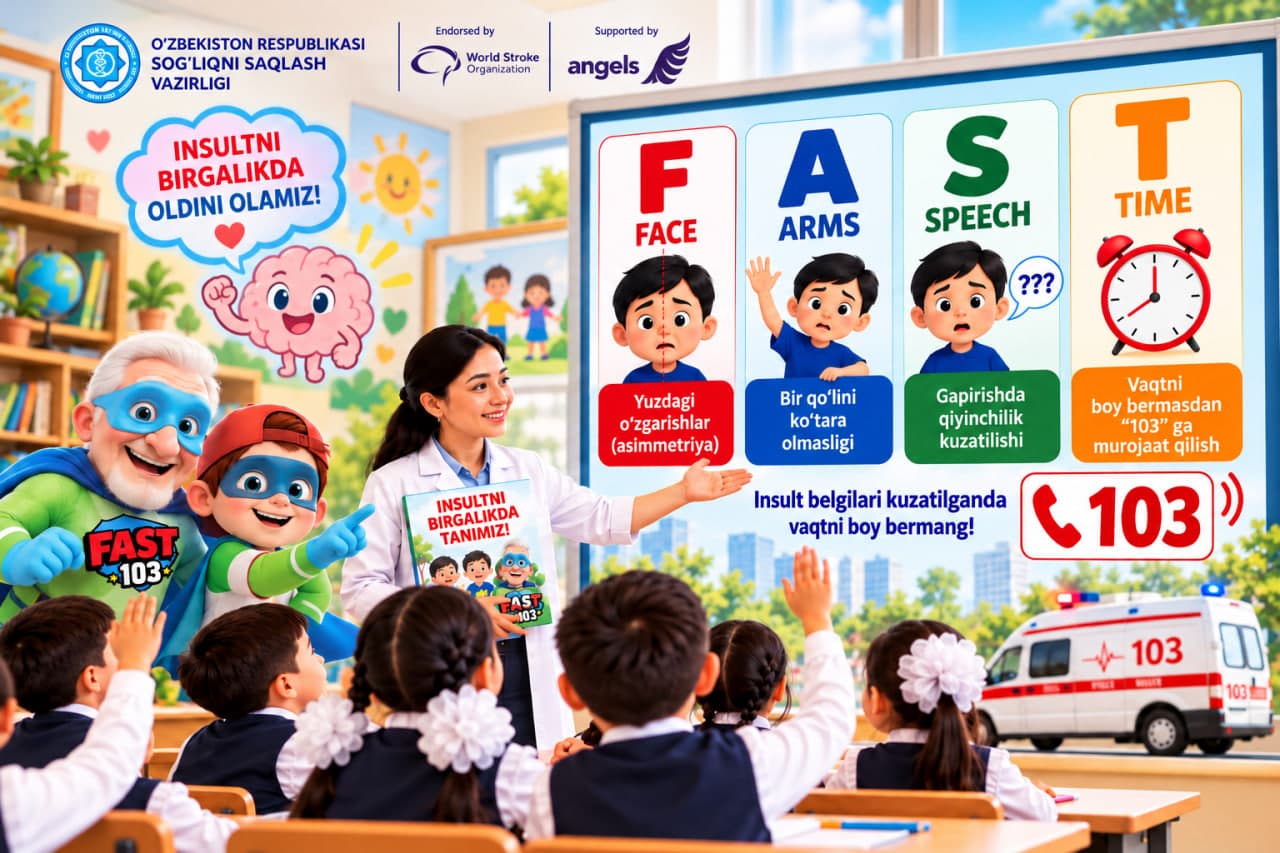
Uzbekistan to Teach 1st–4th Grade Students to Recognize Stroke Signs Through the “FAST — Superheroes” Program

Starting November 1, 2026, schools in Uzbekistan will gradually implement the international “FAST — Superheroes” program, under which 1st–4th grade students will be taught, through games and video materials, to recognize stroke signs and call an ambulance. The first stage will cover 7 schools in Tashkent and 6 schools in Samarkand region. The program is being implemented as part of the national program to combat heart attack and stroke.

2 min read

Cancer patients in Tashkent complain about difficulties with discounted electronic referrals; the Medical Insurance Fund responded

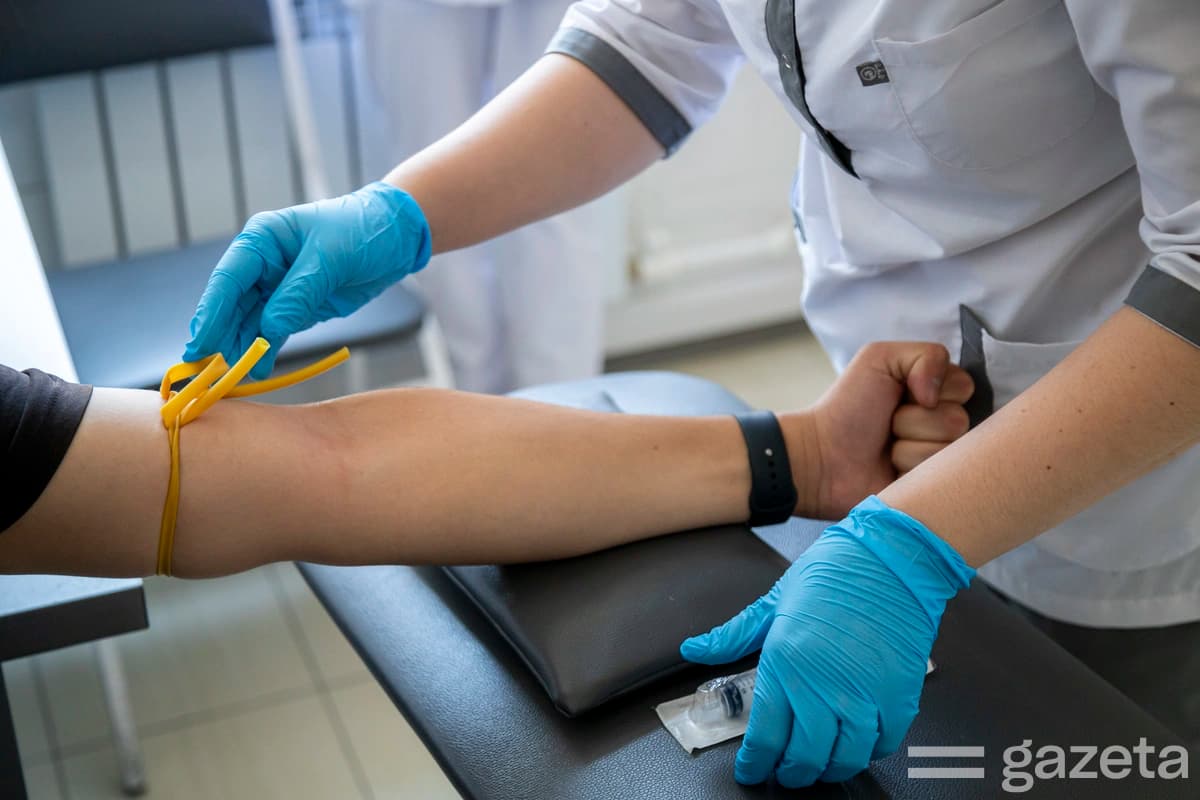
Gazeta received appeals from cancer patients in Tashkent about failures when obtaining discounted referrals to the Republican Oncology and Radiology Center after the transition to the DMED electronic system. The Center explained that free treatment was never suspended — only the referral procedure changed. The State Medical Insurance Fund stated that patients must receive care in a timely manner and that funding is based on services actually provided.

3 min read

German cabinet approves draft law on sugary drinks tax from July 1, 2027

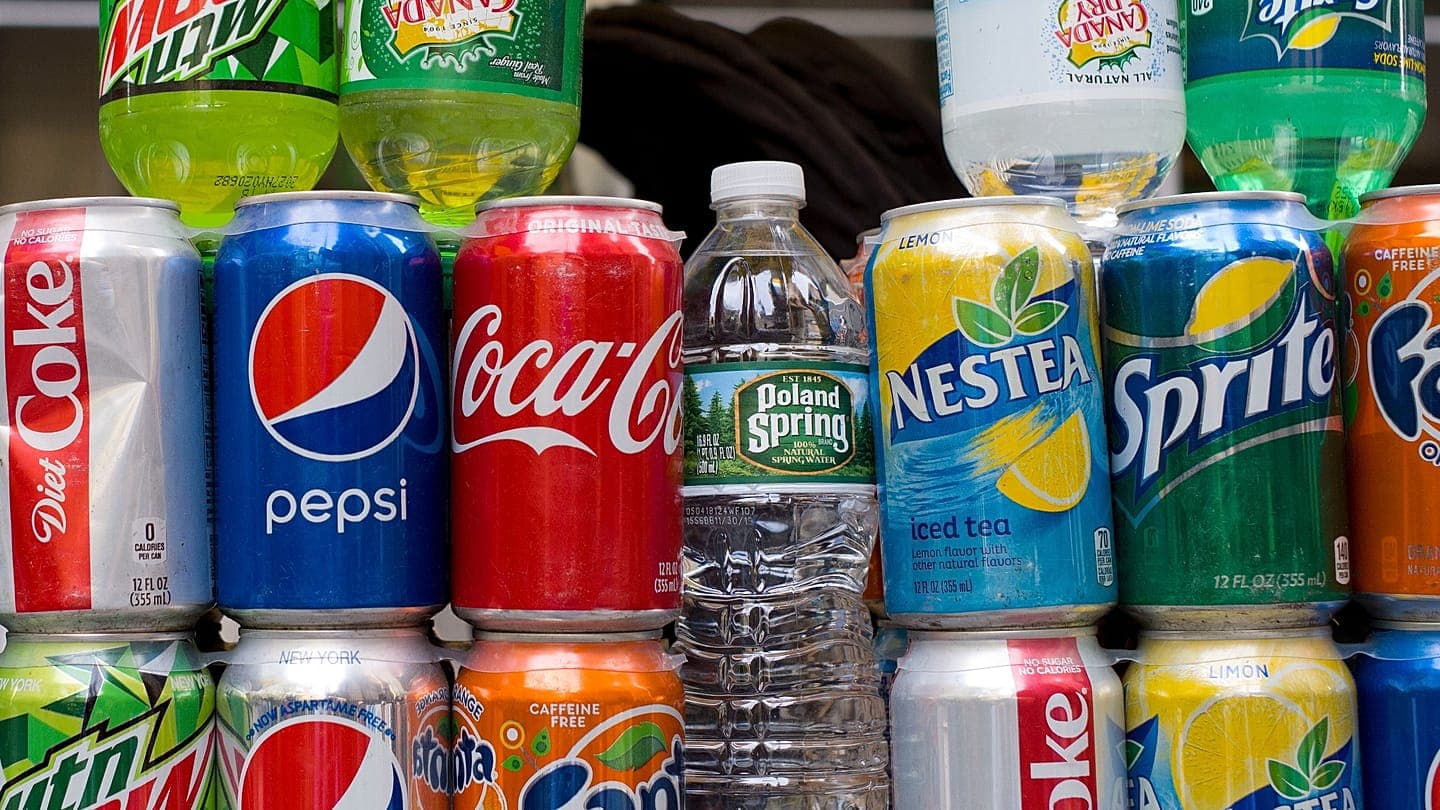
The German government approved a draft law on a tax on drinks with a sugar content of 5 g per 100 ml. Rates will be 0.26–0.32 euros per litre, with expected revenues of 690 million euros in 2027 and 925 million in 2028. The law must be approved by the Bundestag; critics, including Boris Rhein (CDU) and the Tax Foundation, doubt the measure's effectiveness.

3 min read

Russia to allocate nearly half of its budget to defense and security while cutting social spending

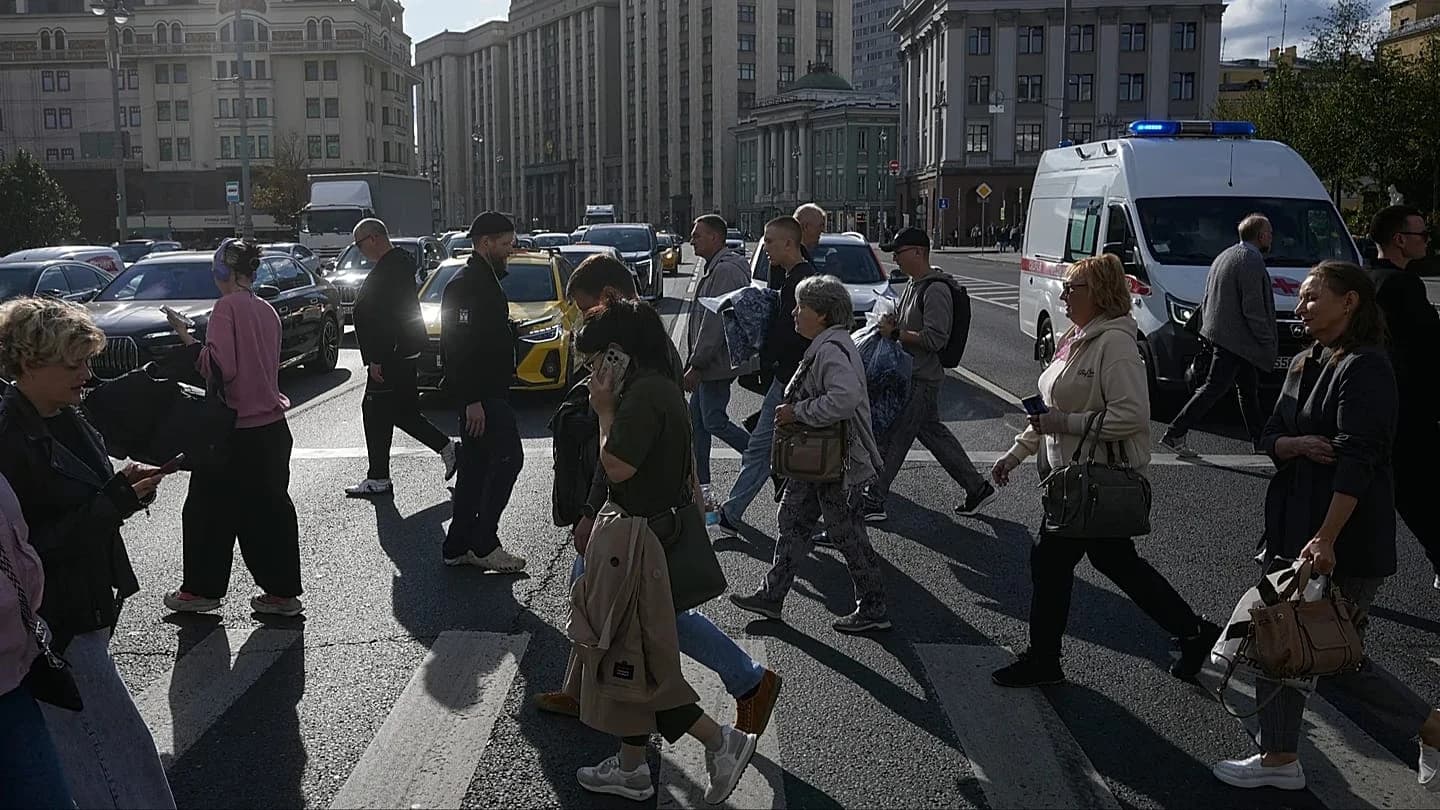
The State Duma will consider the draft budget for 2027–2029, in which defense and security account for a record 44% of spending — twice as much as social policy. Social policy spending will be cut by 7%, healthcare will be trimmed, and regions are reallocating funds from social programs to military payments and reducing 'coffin' payments to families of the killed.

4 min read