The key facts
- The tax will cover drinks with sugar from 5 g/100 ml: 0.26 euros/l at 5–8 g and 0.32 euros/l at 8 g and above
- Expected budget revenues: 690 million euros in 2027 and 925 million in 2028
- Small producers of up to 70,000 litres per year are exempt; extending the exemption to 1 million litres requires European Commission approval
The essence of the draft law
The German cabinet approved a draft law introducing a tax on sugary drinks. If the Bundestag passes it, the tax will come into force on July 1, 2027. The coalition expects to replenish the federal budget and encourage manufacturers to reduce sugar content. According to the government, the measure is intended to reduce the burden on the healthcare system, which annually incurs expenses of more than 2 billion euros due to the consumption of sugary drinks that contribute to obesity, diabetes and tooth decay. The government stated that the tax implements "what associations from the fields of healthcare, science, child protection and consumer rights have long been calling for."
Rates and scope
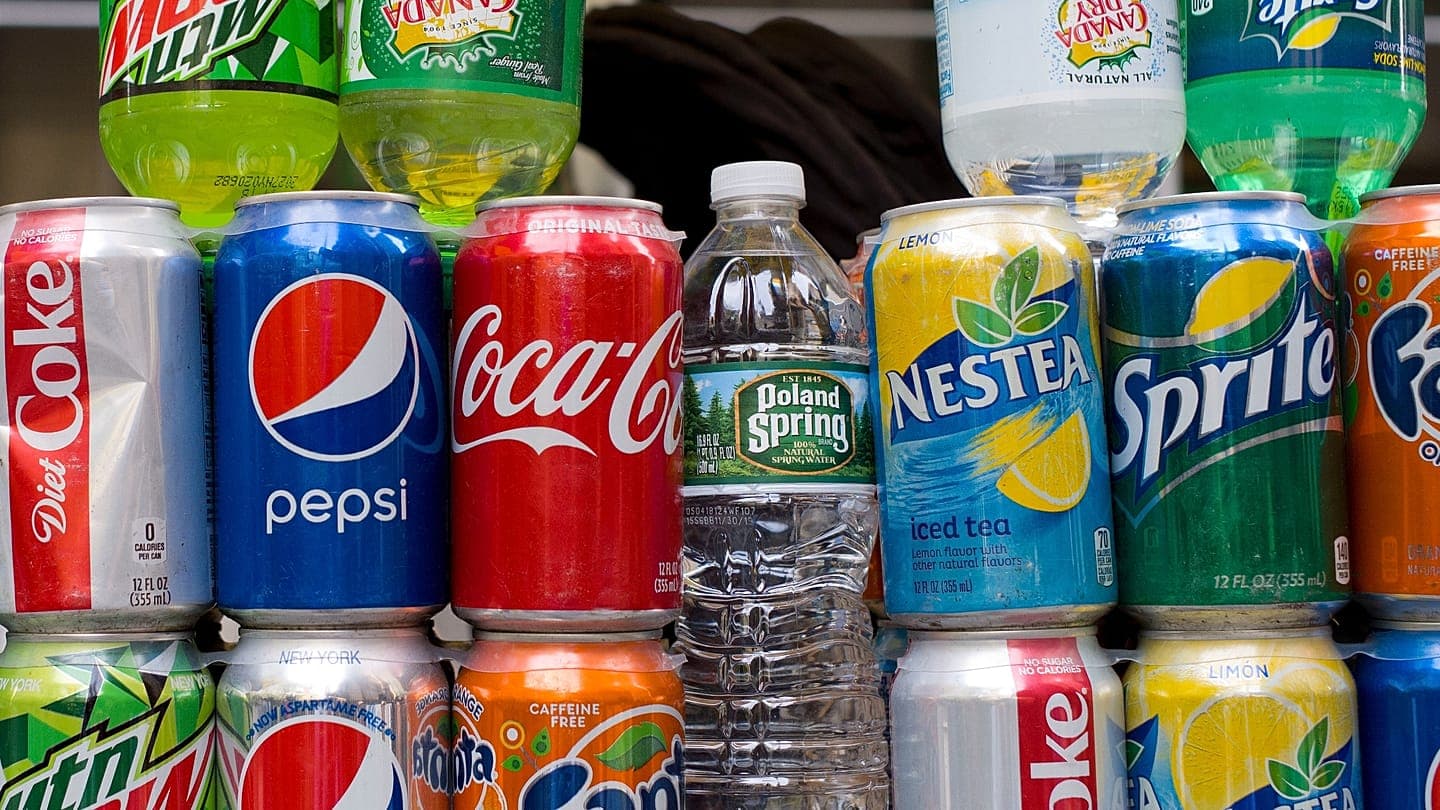
The tax will apply to drinks with a sugar content of 5 g per 100 ml: at 5–8 g the rate will be 0.26 euros per litre, and at 8 g and above — 0.32 euros per litre. The tax will cover soft drinks like Coca-Cola, iced teas, energy drinks, fruit nectars and juice concentrates with added sugar. Excluded are alcoholic beverages and their non-alcoholic versions, milk, oat and rice drinks, natural fruit and vegetable juices, as well as drinks with sweeteners instead of sugar.
Who pays and exemptions
Although the tax will be paid by manufacturers or wholesalers, the government expects retail prices to rise by several dozen cents. Small independent producers with annual output of up to 70,000 litres are exempt from the levy. An additional exemption for companies producing up to 1 million litres per year would require approval from the European Commission under state aid rules.
Budget effect
The tax is expected to bring the federal budget 690 million euros in 2027 and 925 million euros in 2028. According to the government's estimate, the revenues will help soften the planned reduction in subsidies to the central health fund and may reduce pressure to raise health insurance contributions.
Criticism
The tax was criticized both before and after the coalition reached an agreement. According to Tagesschau (ARD), Hesse's Minister-President Boris Rhein (CDU) said the tax would make drinks more expensive and could jeopardize jobs in the industry. The Tax Foundation think tank, in a 2025 report, questioned the benefits of such measures: "although sugary drink taxes do indeed lead to higher prices, there is no evidence of substantial improvements in health outcomes as a result of higher prices for sugary drinks."
International context
Germany will join a number of EU countries where such taxes are already in place, including France, Portugal and Hungary, where a broader public health tax has been in operation since 2011.


