The key facts
- Estimated TB burden in Plateau State in 2026 is about 11,000 cases (219 per 100,000 population).
- Between July and September, 2,047 patients were detected and are receiving treatment.
- Challenges: stigma, conflicts and camps for internally displaced persons, drug shortages due to supply disruptions and dependence on international funding.
Disease burden estimate and case detection
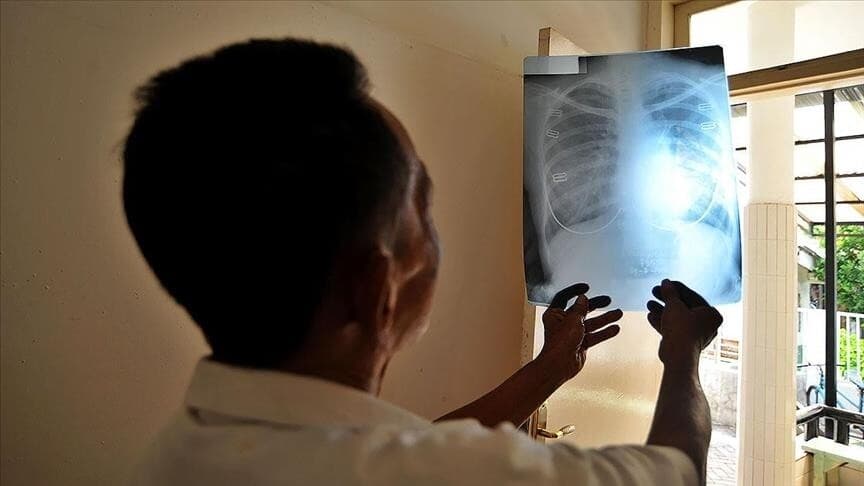
An estimated 11,000 tuberculosis cases were recorded in Nigeria's Plateau State (north-central part of the country) in 2026. This was announced by Yohanna Bot, monitoring and evaluation officer of the state tuberculosis control program, speaking on Sunday evening at an advocacy meeting with the media in the state capital, Jos. According to him, the estimate is based on a prevalence rate of 219 cases per 100,000 people. Between July and September, 2,047 patients were detected and placed on treatment; they are receiving therapy in health facilities across the state.
Risk factors and barriers to seeking care
Bot linked the spread of the disease to airborne transmission, overcrowding, malnutrition and weakened immunity. The most vulnerable are children under 5, the elderly, and people living with HIV. He also warned that stigma and misconceptions prevent some residents from seeking medical care in a timely manner: some still attribute tuberculosis to spiritual or ritual causes.
Impact of insecurity and drug shortages
Case detection and treatment efforts are hampered by insecurity and population displacement, especially in the Mangu, Jos South and Barkin Ladi areas, where violence has forced residents to relocate to camps for internally displaced persons. According to Bot, health workers are focusing on community engagement and active screening in IDP camps and correctional facilities for early detection. He also expressed concern about the shortage of anti-tuberculosis drugs, linking supply disruptions to supply chain failures and heavy dependence on international funding, in particular support from the Global Fund.
General context
Nigeria remains among the countries with a high tuberculosis burden in the world. The disease is preventable and curable, but late diagnosis, insufficient access to treatment and social stigma continue to hinder control of its spread.