The key facts
- The AI model Claude was used to analyze data on the Ebola outbreak in the DRC alongside CEPI, WHO, and INRB.
- Situation reports are now prepared in one hour instead of a full workday, according to Marie Roseline Darnicque Bélizaire from WHO.
- Experts warn about the 'black box' problem and the risks of AI in medical education.
AI Helps Combat Ebola Outbreak in DRC
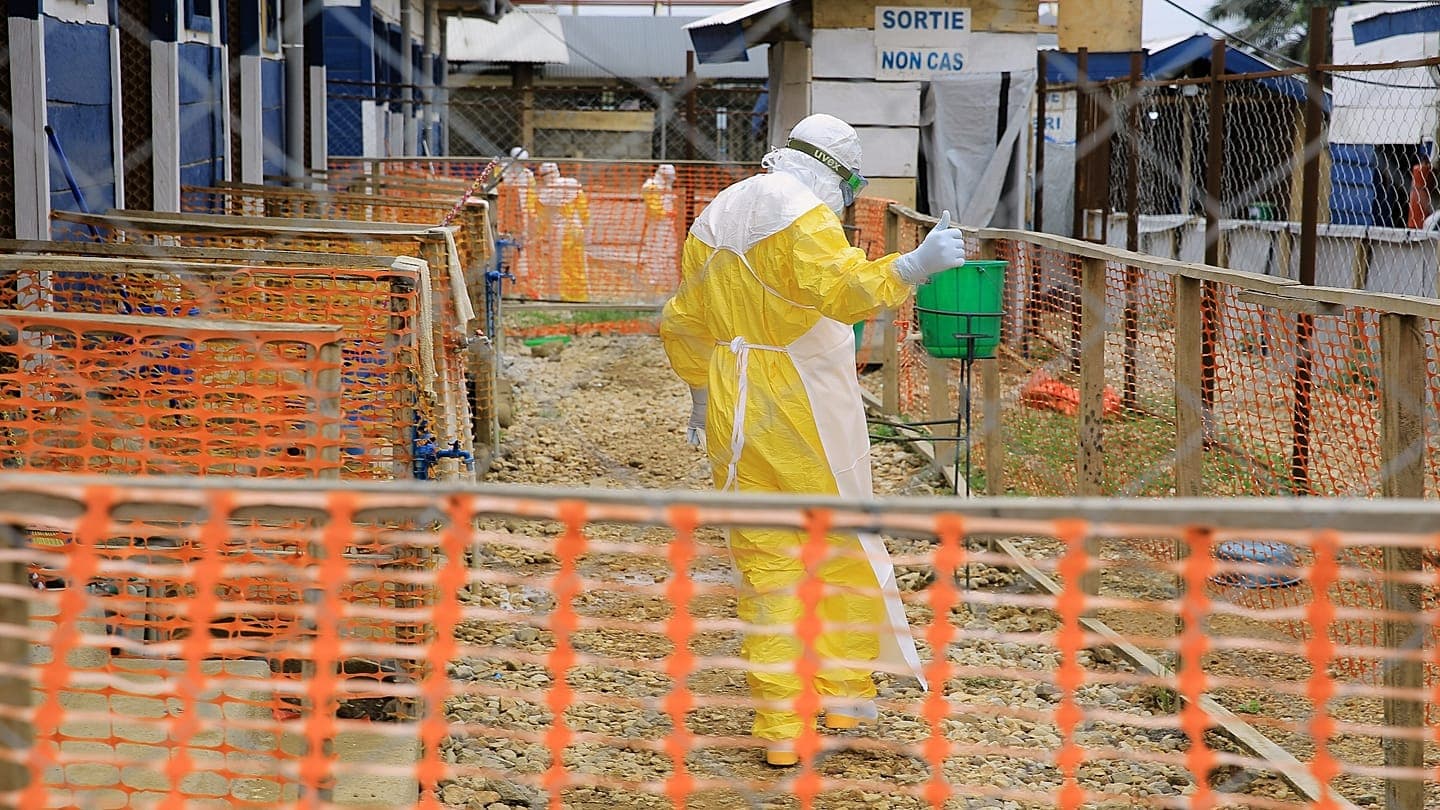
Since May, on-the-ground teams in the Democratic Republic of Congo have been battling the Bundibugyo strain of the Ebola virus. Healthcare workers visit homes daily, record recoveries and deaths, and refer individuals with suspicious symptoms to medical facilities. According to a report by Anthropic, their records were digitized, and the Claude model was used to analyze responses and messages. The study involved CEPI, the WHO Regional Office for Africa, and the National Institute of Biomedical Research (INRB). Data analysis identified potential outbreak zones, and medical supplies were pre-positioned in key locations and high-risk areas.
Summary in One Hour Instead of a Workday
"The operational summary is prepared in one hour instead of a full workday," said Marie Roseline Darnicque Bélizaire, Director of Emergency Preparedness at the WHO Regional Office for Africa, speaking at the World Health Summit. According to her, AI helps assess the spread of epidemics faster and direct medical aid more accurately. The sooner health authorities respond to a potential outbreak, the better they can organize assistance.
Support for Overburdened Medical Staff
Thomas Zapata, Director of the WHO Academy in Lyon, pointed out a paradox: there are more healthcare professionals worldwide than ever before, and technologies are unprecedented, yet the shortage of staff is immense, and demand for services is growing. He views AI as a means to achieve goals rather than an end in itself, identifying two key roles: changing the organization of care and adapting medical education. Cecilia Mbaka, a senior technical advisor at CARE with over 15 years of frontline experience, noted that if AI takes over routine tasks, doctors will have more time for personal aspects of care—asking questions, listening, examining, and referring patients.
Trust and On-the-Ground Situation
Epidemiologist Maximilian Gerler noted that, according to estimates, about 50% of deaths in villages in the DRC occur outside medical facilities. The local healthcare system is under pressure and was unprepared for the outbreak, requiring thousands of protective suits daily. Germany recently increased its aid by 21 million euros. Experts emphasize that while AI can support the organization of care, it does not, by itself, ensure public trust in medical institutions.
The 'Black Box' Problem
Thomas Tezen, a professor of medical education and informatics at Dartmouth's Geisel School of Medicine, described the problem of explainability: "They are extremely skilled at recognizing patterns but very poor at explaining to us what those patterns are." According to him, large language models like Claude or ChatGPT cannot explain in human-understandable language how they reach conclusions, remaining a "black box." This concerns not only transparency but also accountability: who is responsible if AI provides incorrect recommendations? Mbaka emphasizes that AI should not just produce results but genuinely support decision-making.
AI and Medical Training
Tezen also sees risks in education: in a study comparing searches via search engines and chatbots, students using chatbots demonstrated more superficial and less well-retained knowledge. "If all cognitive work in learning is handed over to a chatbot—it may be efficient, but you will learn nothing," he noted. In his view, in medicine, it is important to be able to make correct decisions even without technical support, so AI should primarily be used where it reduces workload, while independent learning must remain key for long-term knowledge retention.


