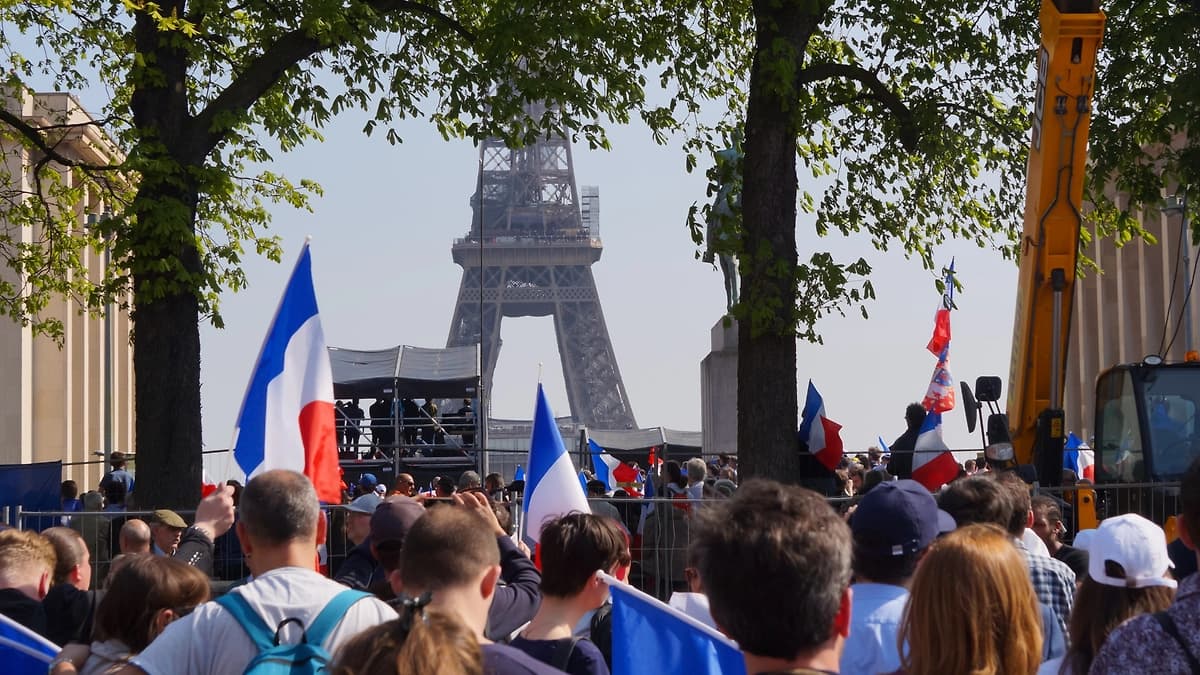
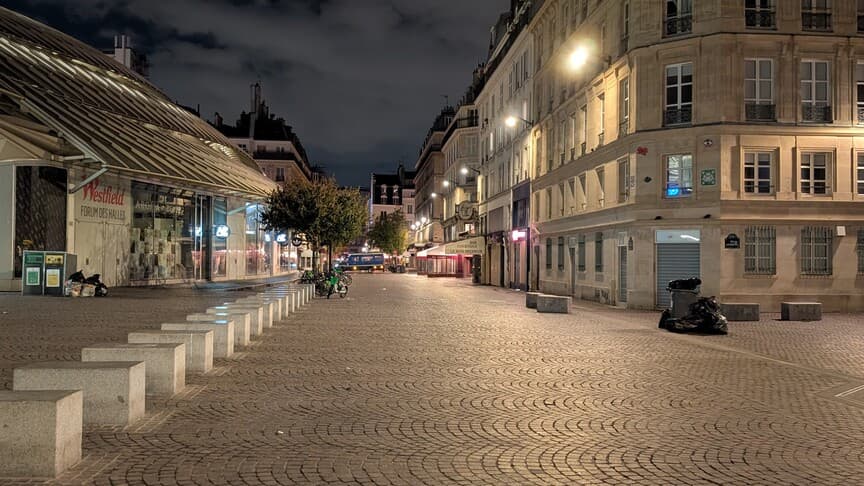
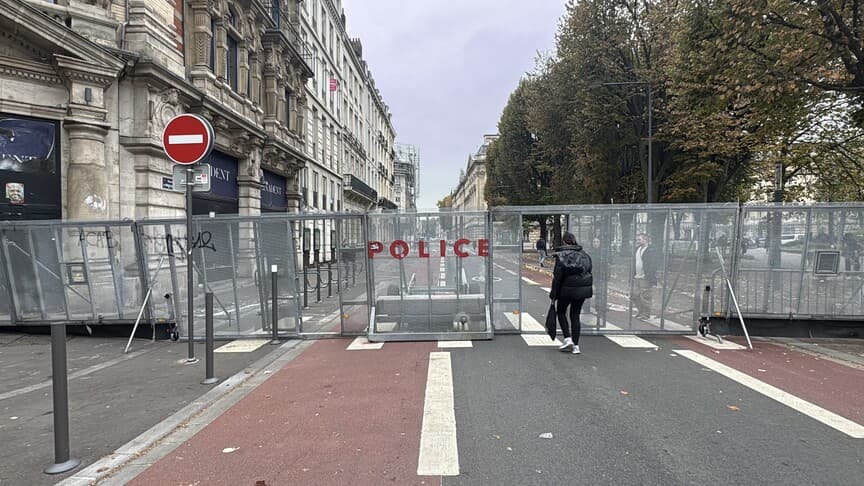
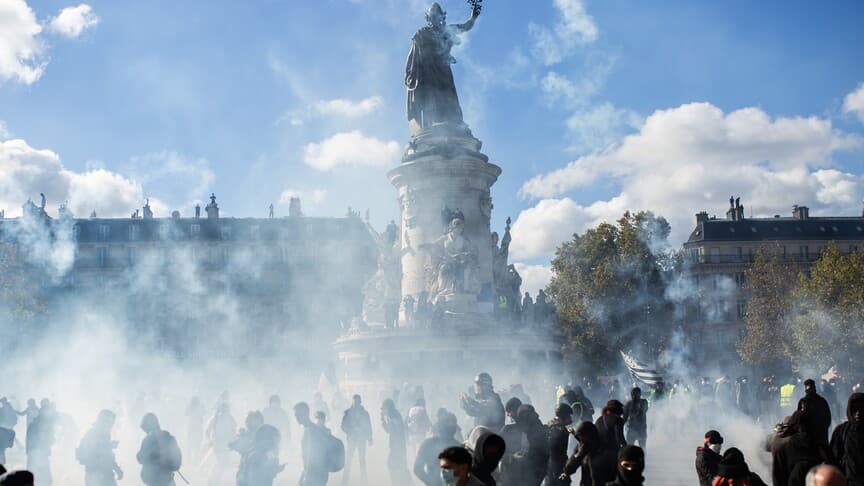
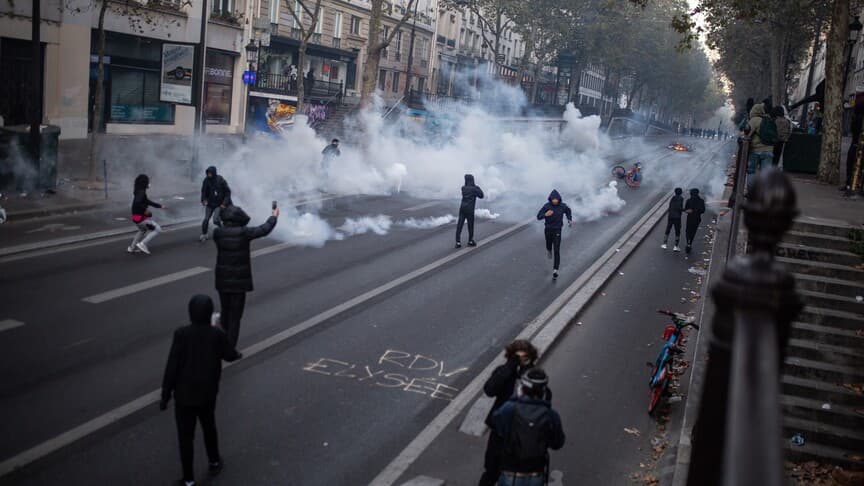
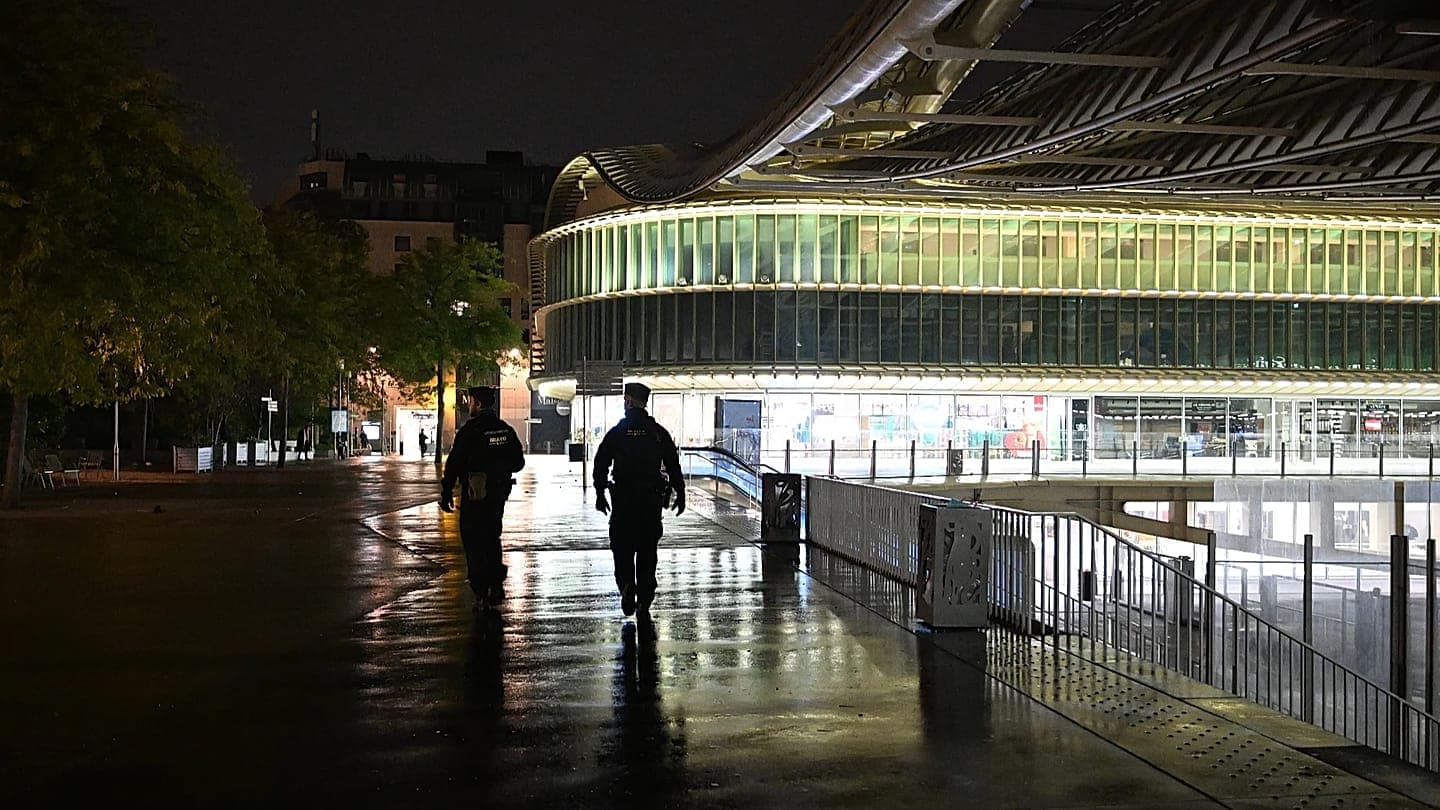
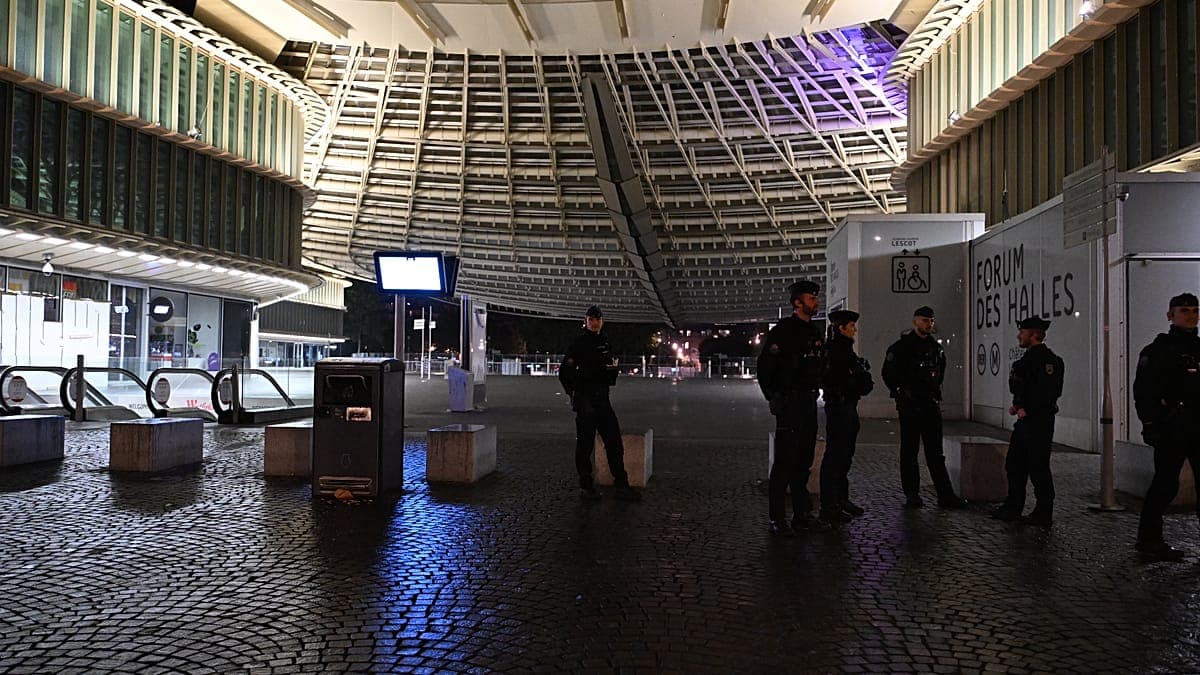
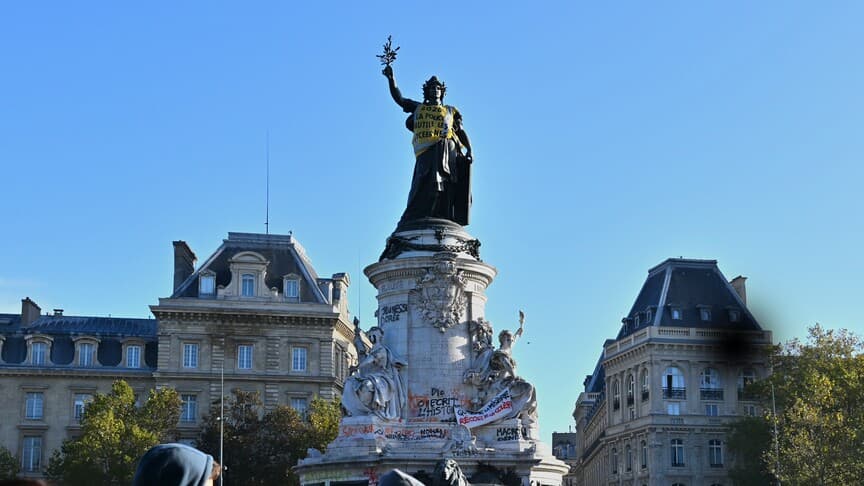
The Paris city hall announced a ban on staying on Place de la République and in part of the Halles district from 23:00 on October 20 until 06:00 on October 21. Exceptions were made for local residents, enterprise employees and emergency services with valid documents. Police also banned mass gatherings in several districts from 20:00 to 06:00.
The authorities of Paris and Lyon extended nighttime restrictions for the third consecutive time after riots and looting during nationwide protests. In Paris, the curfew is in effect from 23:00 to 6:00 in the areas around Place de la République and Les Halles; gatherings are also banned in several zones, along with a student demonstration on Thursday. In Lyon, prefect Étienne Guillot extended the curfew and the ban on gatherings. The restrictions were introduced after the October 17 protests against the rising cost of living and deteriorating education conditions; new demonstrations are being prepared for Saturday.
Union leaders, after a two-hour meeting with Prime Minister Sébastien Lecornu, said they did not hear answers to their demands and confirmed mobilization on November 5 with a transition to strikes. Curfews are being extended across the country; the number of arrests after the October 17 riots has reached about 2,500 people, with 174 remanded in custody.
After Saturday protests, which, according to reports, were attended by around 550,000 people, the authorities of Paris, Lyon, Marseille and Toulouse extended or imposed a curfew. Marseille imposed a restriction on minors for the first time, and the Ligue 2 match between Montpellier and Red Star was moved to Monday.
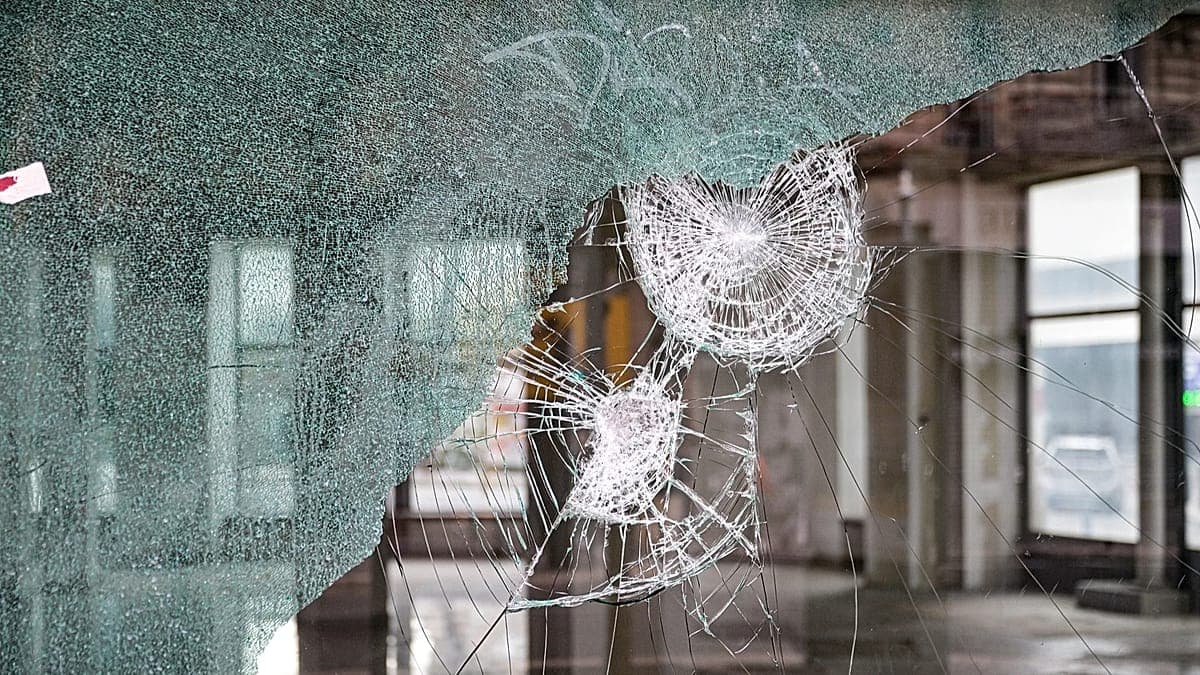
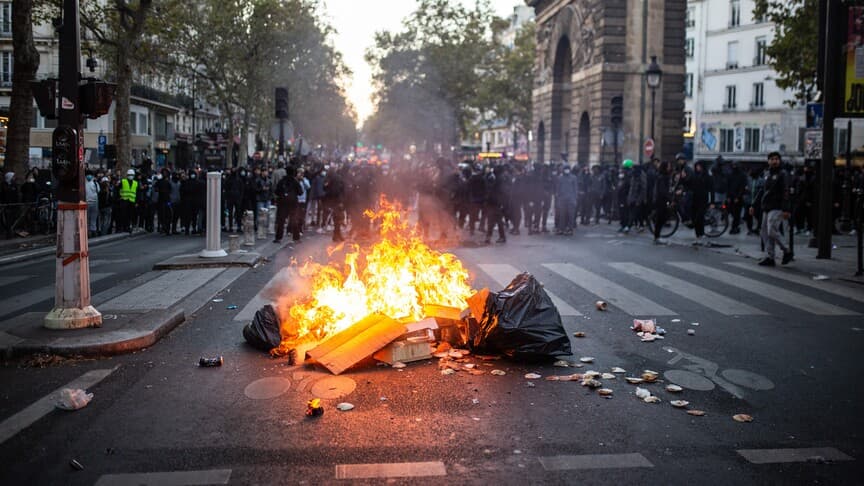
France experienced some of the most serious riots in recent years, with at least 3,000 stores damaged or looted. Prime Minister Sébastien Lecornu announced new curfews, while authorities held emergency meetings, including talks with social media platforms.
David Libeskind, lawyer for the 'yellow vests' movement, said that nighttime curfews in Paris, Lyon and other cities will not affect the actions, as demonstrations take place during the day. Organizers are preparing 'Act II' — a nationwide mobilization on October 24 with 212 planned actions. The protests began in mid-September with school strikes and grew into mass demonstrations against rising prices.
French Prime Minister Sébastien Lecornu said that after riots during protests against the cost of living, new local curfews are possible. According to Justice Minister Gérald Darmanin, 2,513 people were taken into custody, 67 remanded in custody. Partial curfews are in effect in Paris, Lyon, Nice and the Gironde department.
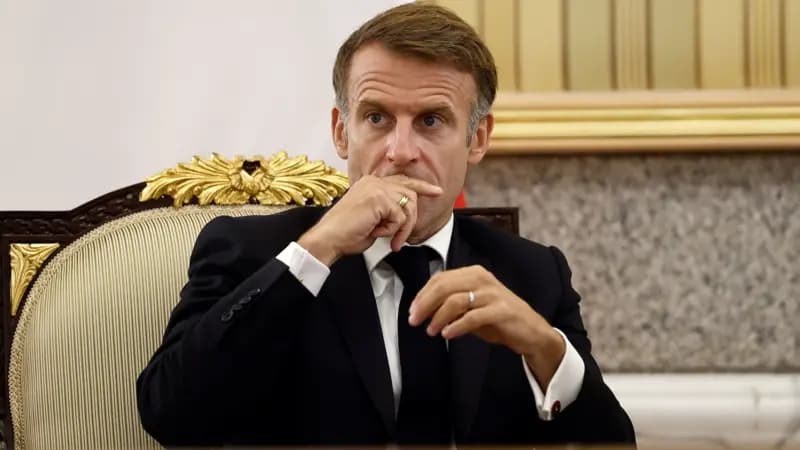
After mass riots on October 17, accompanied by arson and looting, Interior Minister Laurent Nuñez attempted to resign, but the president rejected his resignation. Prime Minister Sébastien Lecornu empowered mayors to impose curfews; restrictions were announced in Paris, Lyon, Lille and Nice. Criminal charges for most detainees, a financial accountability law and a fund to support affected workers were also announced.
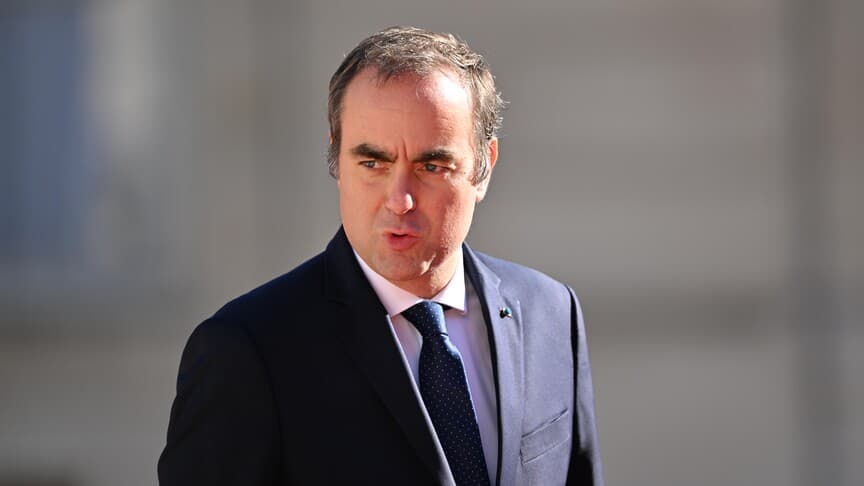
French Prime Minister Sébastien Lecornu said new curfews would be introduced on Tuesday in regions where the situation requires it. Partial curfews introduced on Monday in Paris, Bordeaux and Nice, according to him, helped keep the night calm. The riots began after weeks of student demonstrations and were among the most serious in recent years.
Paris police on Monday imposed a nighttime curfew on the Place de la Republique and in the Les Halles shopping district following some of the most serious riots in France in recent years. The ban is in effect from 23:00 to 6:00 on Tuesday, and gatherings and demonstrations are prohibited from 20:00. The Prime Minister had earlier instructed prefects to impose 'very limited' and 'localized' curfews to prevent looting.
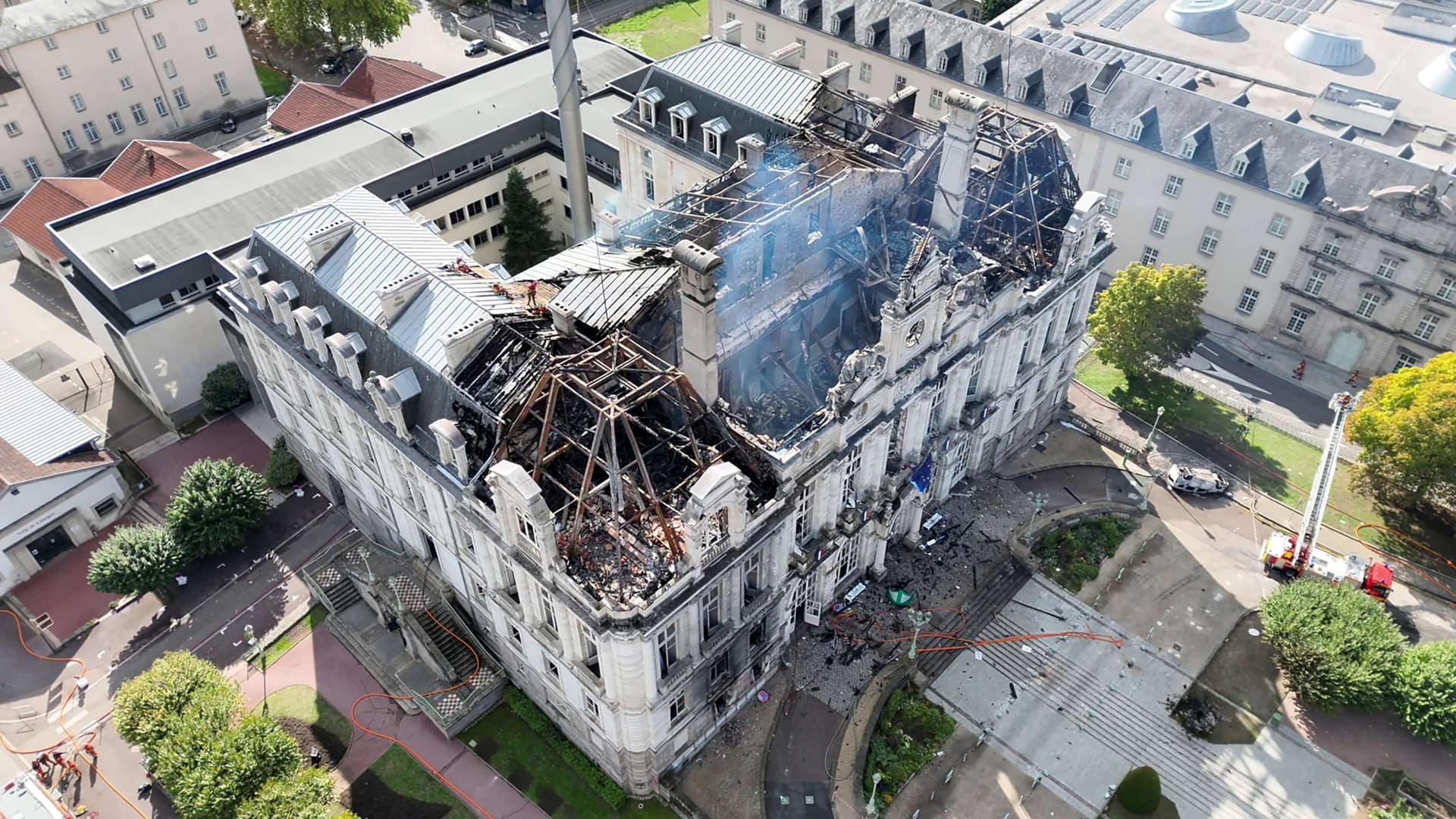
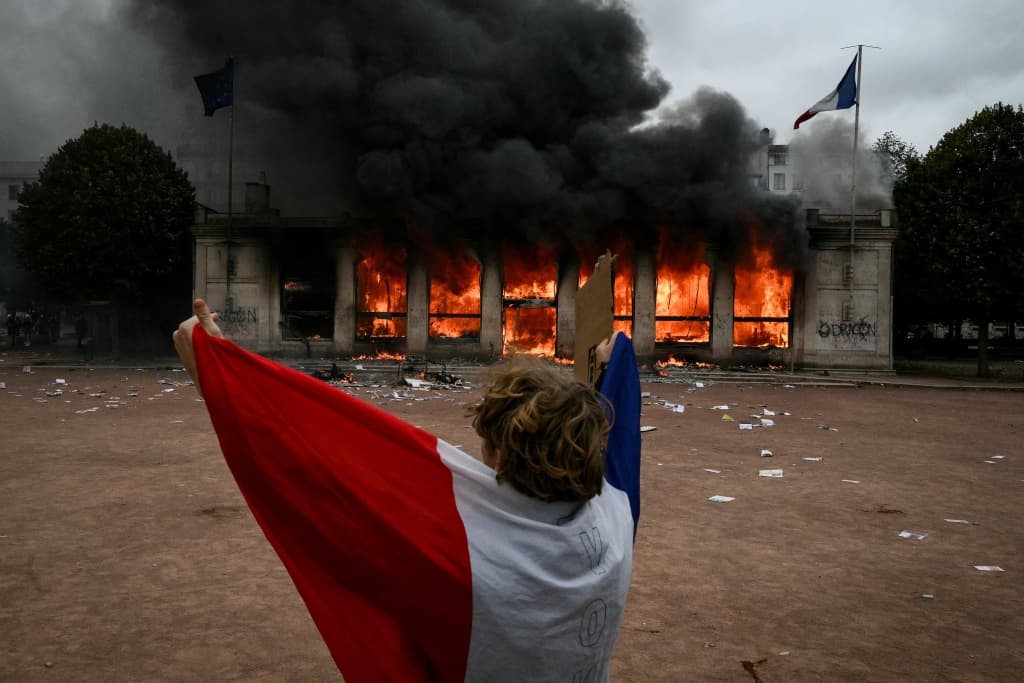
French media report the arrest of a 34-year-old suspect linked to the far-left movement after a fire destroyed the historic town hall of Limoges. Mass protests against fuel prices and the cost of living continue across the country: curfews have been imposed in Paris, Marseille, Lyon, Bordeaux, Nice and Lille, more than 2,500 people have been arrested, new actions have been announced for Saturday and a strike for November 5. French media report the arrest of a 34-year-old suspect linked to the far-left movement after a fire destroyed the historic city hall of Limoges. Mass protests against fuel prices and the cost of living continue across the country: curfews have been imposed in Paris, Marseille, Lyon, Bordeaux, Nice and Lille, more than 2,500 people have been arrested, new actions have been announced for Saturday and a strike for 5 November.
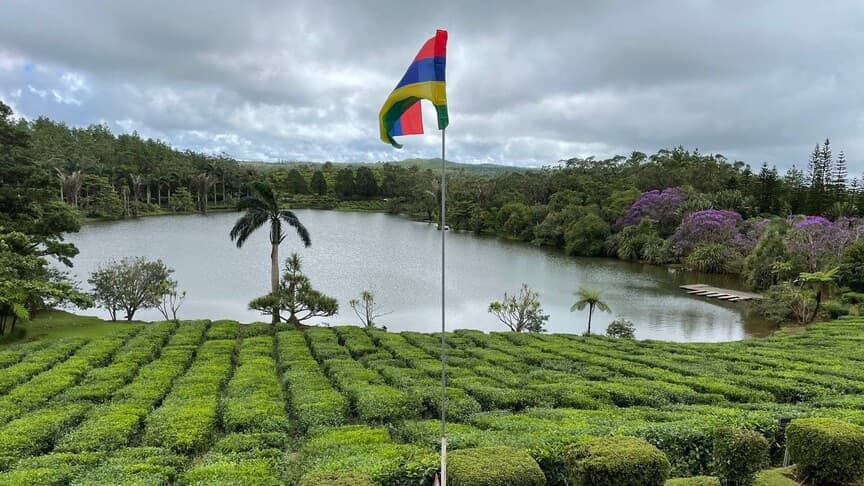
Mauritian authorities on Monday lifted the night curfew imposed last week after the most serious unrest in nearly three decades. The protests began over water shortages and the rising cost of living, and violence erupted after a police officer seriously wounded a woman. At least 188 people have been arrested.
After a weekend of unrest and looting across France, authorities imposed overnight curfews in parts of central Paris and several cities. Prime Minister Sébastien Lecornu did not rule out a state of emergency and promised a law on damage compensation. Interior Minister Laurent Nuñez tried to resign, but Macron refused to accept it.
After mass protests against rising fuel prices and the cost of living, accompanied by violence and looting, French authorities are imposing local overnight curfews in Paris, Lyon, Nice and four northern municipalities. Prime Minister Sébastien Lecornu instructed prefects to introduce partial curfews, announced a large-scale judicial operation and partial unemployment measures for affected businesses.
After protests against rising prices and fuel costs that were accompanied by violence and looting, French authorities are imposing a nighttime curfew in Lille, Douai, Wasquehal and Denain. Prime Minister Sébastien Lecornu ordered prefects to introduce local restrictions, announced a large-scale judicial operation and partial unemployment measures for affected businesses.
After a weekend of riots in France, Prime Minister Sébastien Lecornu ordered prefects to impose 'partial and strictly local' curfews; restrictions have been in effect since Monday evening in Paris, Lille and Lyon. More than 2,500 people have been detained and thousands of shops damaged. Macron rejected the resignation of Interior Minister Laurent Nuñez, who admitted losing control in a number of cities.
French Prime Minister Sébastien Lecornu ordered prefects to introduce partial and local curfews from Monday evening following riots and looting during weekend protests. He did not rule out a state of emergency but considered targeted measures more appropriate. A large-scale judicial operation involving about 200 investigators was also announced, along with support measures for affected businesses.
The Russian Union of Travel Industry says the situation in Mauritius's resort areas remains calm and no incidents involving Russian tourists have been recorded amid ongoing unrest. Tourists stay in hotels during the curfew, which has been extended until 05:00 on October 15. Around 1,000-1,100 Russian tourists may be on the island; there are no direct flights between Russia and Mauritius. The protests followed a police officer shooting a 27-year-old woman.