The key facts
- Lecornu ordered local curfews and allowed for a state of emergency
- Macron rejected Interior Minister Nunez's resignation, demanding a transparent review of the failures
- More than 2,400 people detained, about 1,000 officers injured, damage estimated at 'hundreds of millions of euros'
Local curfews and Interior Ministry measures
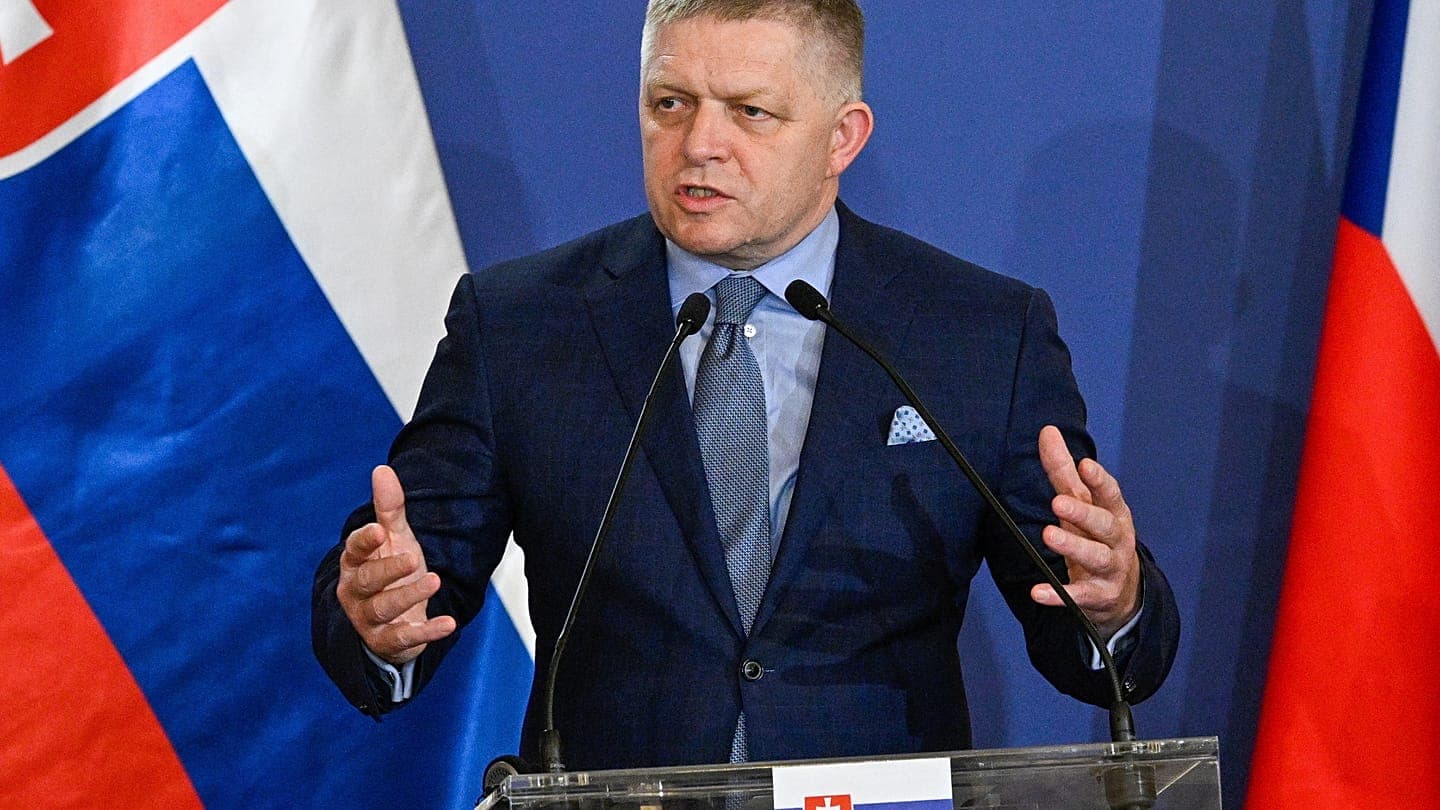
French Prime Minister Sebastien Lecornu said on Monday that he had instructed prefects to impose 'partial and strictly local' curfews to prevent new waves of riots and looting. A detailed map of the restricted zones was promised later the same day. According to AFP, regional authorities had called for curfews to protect businesses after hundreds of shops were ransacked. Lecornu said he was 'absolutely determined to restore public order' and added that the government was ready to introduce a state of emergency 'if necessary.' Interior Minister Laurent Nunez announced that a number of measures against rioters and looters would take effect 'as early as this evening,' and that the presence of police and gendarmes on the streets would be reinforced, especially over the coming weekend.
Minister's resignation rejected
On Sunday, Emmanuel Macron rejected the resignation of Interior Minister Laurent Nunez, 'out of the need to ensure continuity in the leadership of law enforcement forces,' the Elysee Palace said in a press release. The President instructed the minister to 'take all necessary measures to fully disclose information about failures in planning and the work of intelligence services,' as well as to 'implement a new police tactics on the ground in the shortest possible time.' Nunez himself admitted on France Inter: 'in some major cities, when hundreds of shops have been looted, it is impossible to look business owners in the eye and say that we have not lost control.' Lecornu, for his part, defended the actions of the police.
Scale of the riots and damage
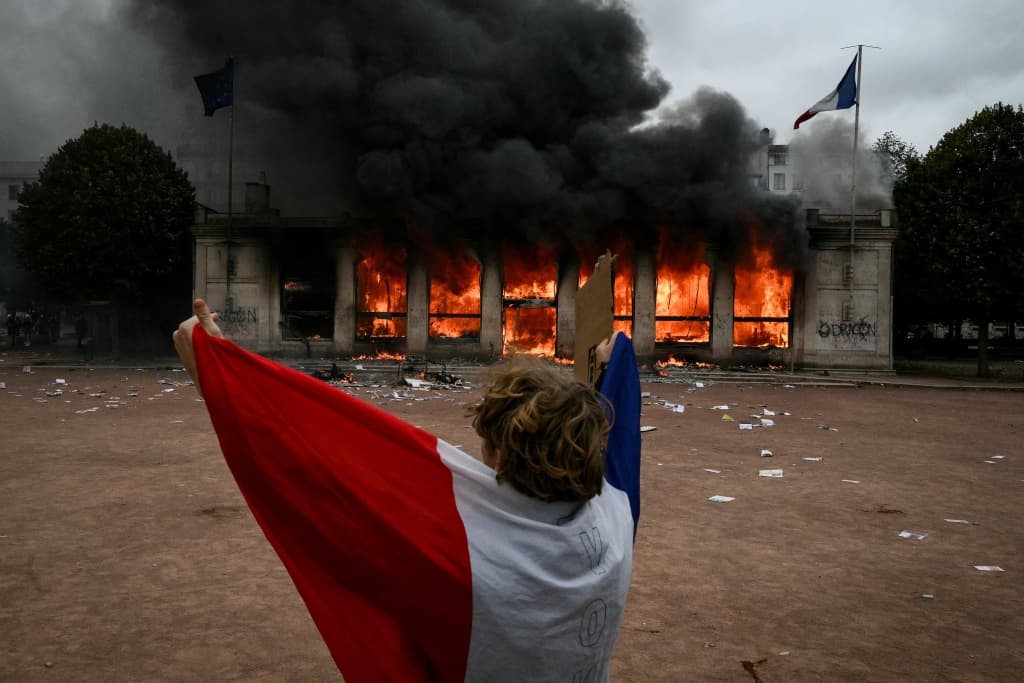
On Saturday, protests against the rising cost of living and the conditions for high school students, according to AFP, drew about half a million people across the country and escalated into some of the worst street riots in recent years: city halls and other public buildings were attacked and set on fire, shops were looted, and cars and bicycles were burned. On Sunday evening, the riots continued in Paris, Lyon, Marseille and other cities. 'On Saturday, despite the extreme violence and serious material destruction, no one died, and that is a real miracle,' Lecornu said after a meeting of the crisis task force at the Interior Ministry. According to the authorities, at least 2,400 people were detained (AFP cites a figure of more than 2,500 detained and about 1,000 injured law enforcement officers; Justice Minister Gerald Darmanin gave a figure of more than 2,330 detained, 70% of them adults). Protesters were also injured: one demonstrator, according to AFP, had an arm torn off by a police grenade. Alain Di Crescenzo, president of the trade chamber, estimated the number of damaged shops at more than 2,000, and the damage at 'hundreds of millions of euros.'
Political context and reaction abroad
On Sunday, Macron, in an address to the nation, condemned the 'unbridled' violence and allowed local authorities to ban individual gatherings; the authorities of Marseille banned assemblies from noon to 8:00 pm. The EU called the violence 'unacceptable' but reminded of the need to protect the right to peaceful protest; Germany condemned the riots and updated its travel recommendations for France, while the UK said that the right to protest 'never justifies violence.' On Monday, demonstrators blocked the entrance to the Louvre. The 'yellow vests' movement, which organized the protests, called for a new round of protests next Saturday. Lecornu blamed the 'ultra-left movement,' which, according to him, seeks to 'orchestrate deep unrest across the country,' and stated that there exists a network capable of calling into question the holding of the presidential elections. Ministers and Marine Le Pen also accused ultra-left groups of inciting violence. Against the backdrop of price protests — diesel has risen in price by almost 40%, petrol by 25% since March, and food by 25% since 2021 — the riots broke out a few months before the presidential elections, in which Macron cannot participate, and Le Pen leads in the polls. Similar protests took place in Milan, Brussels and Liege, and tent camps against rising housing costs are operating in Madrid, Lisbon and Porto.