The key facts
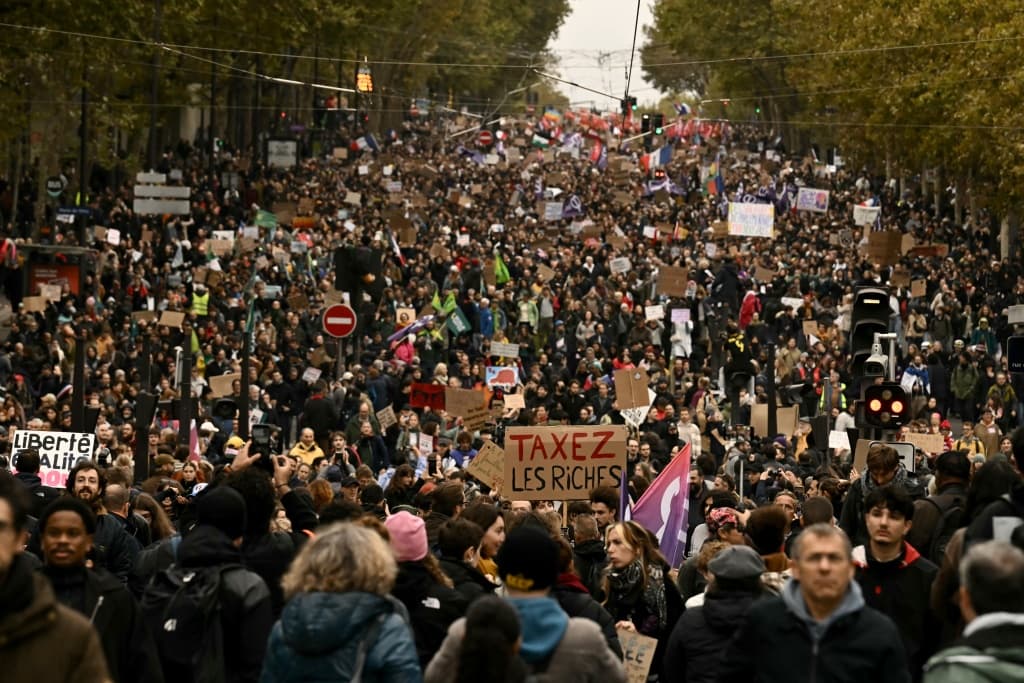
- More than 400,000 people joined protests in major French cities on Saturday; police detained more than 1,000 people according to one AFP report and more than 1,300 according to another
- Le Pen is speaking before 10,000 party members in Orléans, where counter-protests took place the day before (13,000 according to police, twice as many according to organizers)
- Ipsos poll: 32–34% for Le Pen in the first round, 17% for Mélenchon; the 'yellow vests' announced protests for next Saturday, and the CGT union called for strikes from November 5
Campaign kicks off against a backdrop of unrest
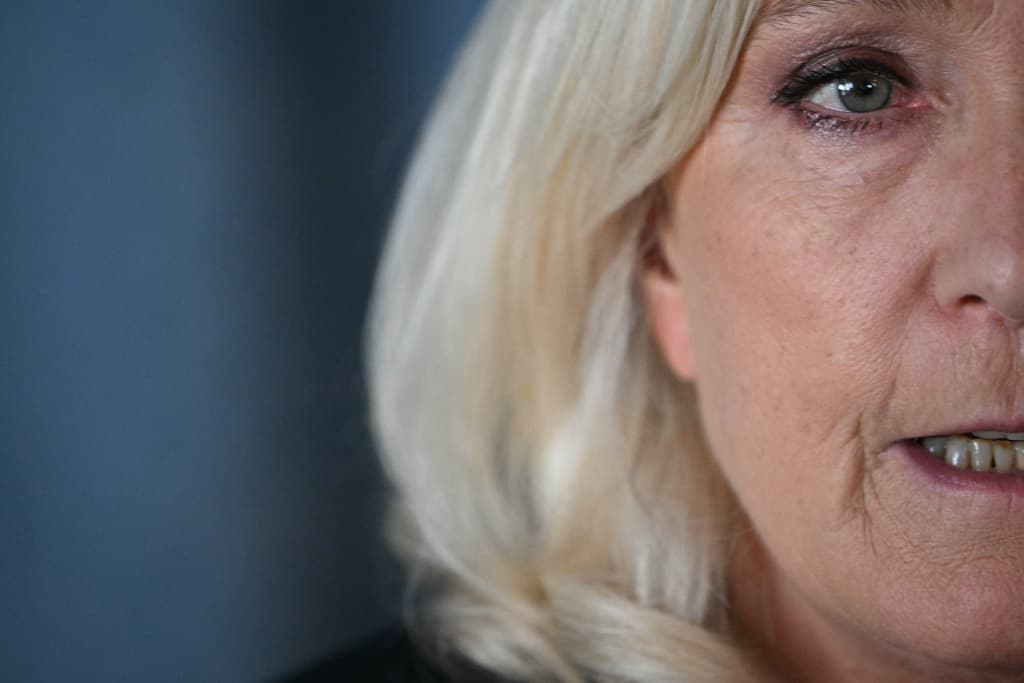
Marine Le Pen, the far-right candidate for the French presidency in elections six months away, was due to deliver her first campaign speech on Sunday, the day after protests that swept the country once again turned violent. According to AFP, more than 400,000 people took to the streets of major cities on Saturday to demonstrate against the rising cost of living; groups of masked young people broke away from the demonstrations and provoked the police, who responded with tear gas and water cannons. Sources cited by AFP describe the number of arrests differently: one report speaks of more than 1,000 arrests, another of more than 1,300. Interior Minister Laurent Nuñez blamed a significant share of the violence on far-left extremists, calling the level of violence 'extremely high'.
A week of protests and counter-protests in Orléans
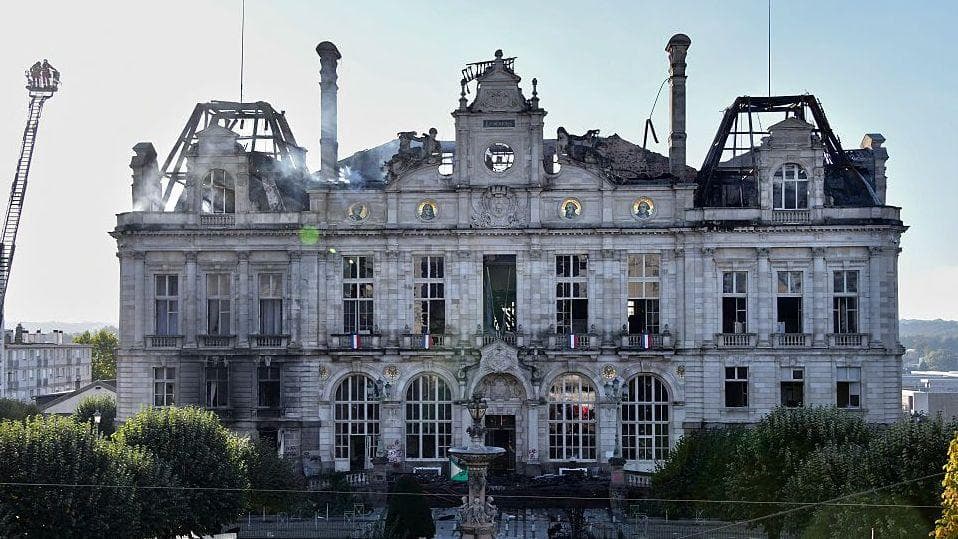
Similar nationwide marches took place a week earlier, on October 17, also against rising inflation, which sources link to the war in the Middle East; on that occasion public buildings were vandalized and hundreds of shops were looted. The mass rallies were fueled by four weeks of student protests across France over classroom conditions and access to university places. Le Pen is speaking before 10,000 members of the National Rally (RN) in Orléans, where police on Sunday were filtering incoming traffic: the day before, the city saw counter-protests against Le Pen and her anti-immigration party — police estimated their turnout at 13,000 people, while organizers claimed twice as many participants. For next Saturday, the 'yellow vests' have announced a new day of protests, and the CGT union is calling for a campaign of strikes from November 5.
Candidates' positions and polls
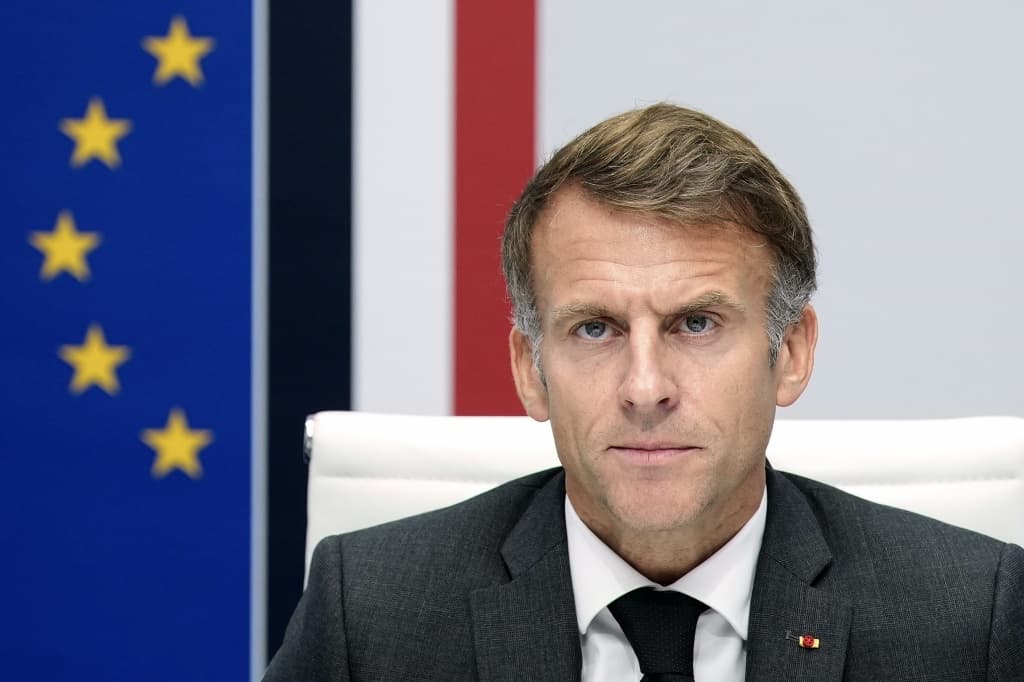
Le Pen accuses Macron's centrist government of being soft on violent protesters and of lacking authority; the RN, which positions itself as the party of law and order, backs the police, and party leader Jordan Bardella, whom Le Pen intends to make prime minister if she wins, has visited police stations. If she wins the two-round elections in April and May, she promises to lower the cost of living by capping household energy tariffs, cutting taxes and reducing France's contributions to the EU; she also criticizes NATO and France's support for Ukraine. According to an Ipsos poll published on Saturday, Le Pen would take 32–34% in the first round, while her far-left rival Jean-Luc Mélenchon would get 17%; centrist candidates trail behind. Of the 1,500 respondents, 58% said they felt anger over the violence at the protests, 81% considered the government responsible for the situation, 79% blamed radical political groups, 62% the left, and 52% the police.
Limited resources for the next president
According to AFP, the winner of the election will have limited room for additional spending: France's public debt and budget deficit exceed the ceilings set for EU countries, and Macron's government is trying to push through an austerity budget while simultaneously facing protests demanding new spending and political infighting among parties. Without declaring a state of emergency, Macron banned 'illegitimate', as he defined them, non-union demonstrations, and officials under him imposed bans on protests in city centers and local curfews; protesters and human rights advocates accuse the authorities of restricting the right to demonstrate. Editorial conclusion from the facts presented: the combination of a sustained protest movement, tough government measures and Le Pen's lead in the polls sets a tense backdrop for the remaining six months until the election, while the sources provide no data on how long the balance between suppressing unrest and dialogue with the unions and students can be maintained.