The key facts
- Around 70,000 security personnel will be deployed on Saturday, Interior Minister Laurent Nunez said
- About 70,000 law enforcement officers will be deployed on Saturday, Interior Minister Laurent Nuñez said
- Courts have sent 217 people to prison over last Saturday's riots, Gerald Darmanin said
- Courts have sent 217 people to prison over last Saturday's riots, Gérald Darmanin said
- A Harris Interactive poll for M6/RTL gives Le Pen 33–35% in the first round and about 70% in the second
Massive operation ahead of Saturday
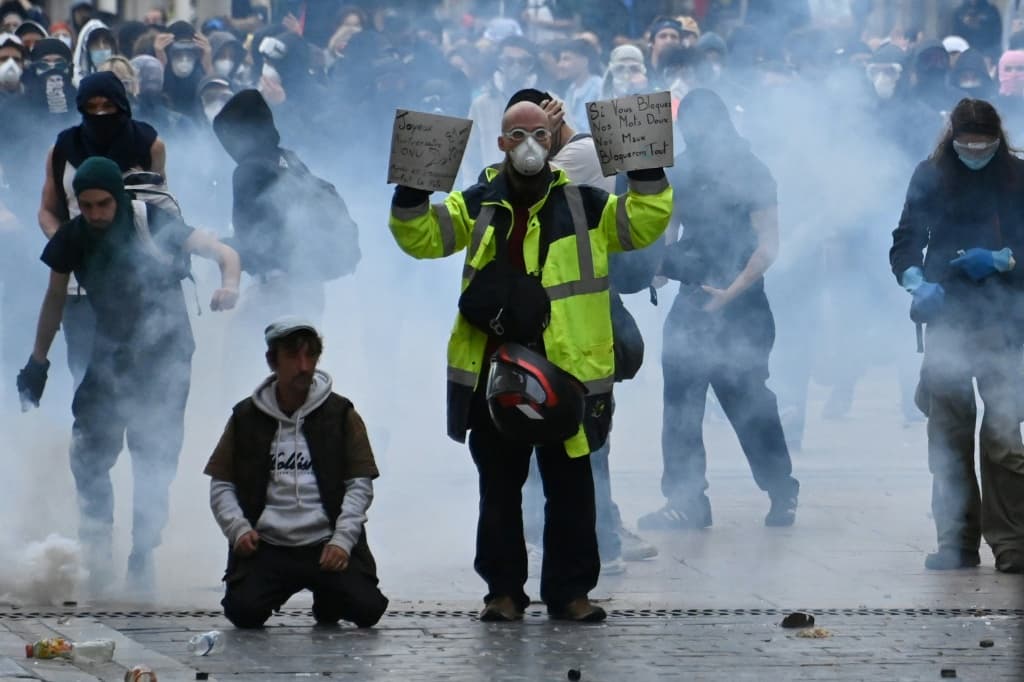
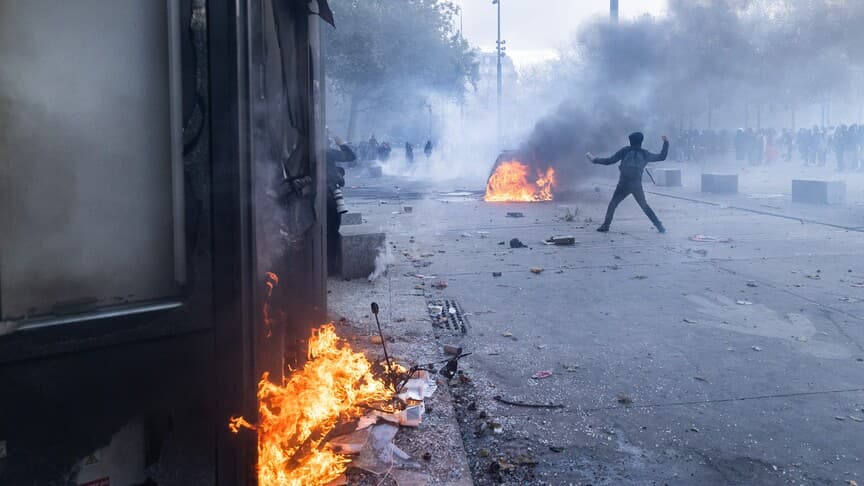
France will deploy around 70,000 police officers across the country ahead of new protests on Saturday, expected after some of the most serious urban riots in recent years, which broke out a week ago on the sidelines of demonstrations. Interior Minister Laurent Nunez announced this at a press conference in Paris, warning that calls for violence and looting are spreading on social media. The movement began with schoolchildren's protests over learning conditions, but then spread across the country amid broader discontent over the rising cost of living. According to AFP, the number of security personnel deployed is roughly 20% higher than last weekend— a response to questions about police readiness and intelligence gathering ahead of the previous riots.
The response of the authorities and the courts
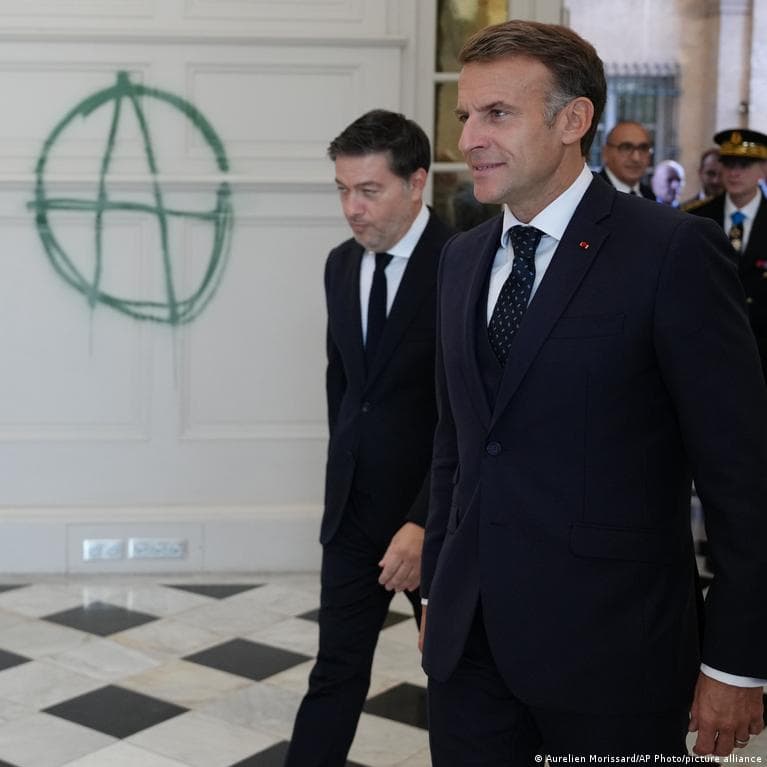
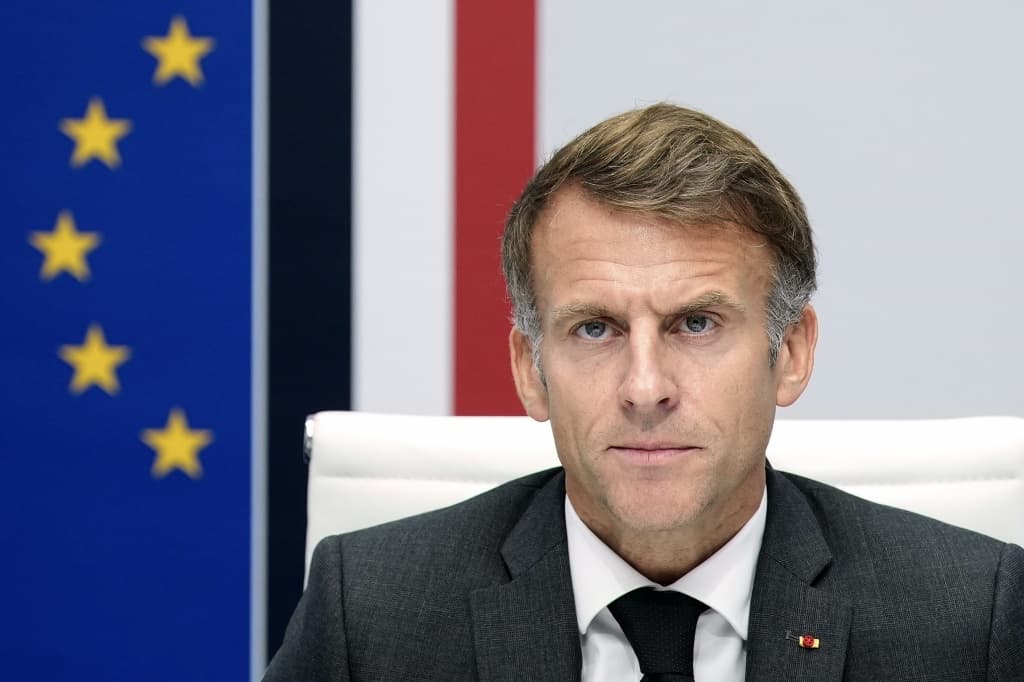
President Emmanuel Macron met with schoolchildren's representatives on Friday, but after the talks they called on students to continue protesting until the government puts forward concrete proposals on their demands. The government, for its part, draws a line between the demonstrators' legitimate demands and the looting, arson and vandalism that accompanied the protests last Saturday. Justice Minister Gerald Darmanin said that courts have already sentenced 217 people to prison over the events of that Saturday, half of them first-time offenders. On Thursday, Macron called for 'maximum severity' toward 'acts of delinquency,' accusing 'far-left' groups of attempting to 'overthrow the republic'. According to AFP, a far-left group in western France posted on its website a call for supporters to be 'elusive, unpredictable, to evade police deployments.'
Protest restrictions and criticism
The authorities have stepped up security measures and imposed restrictions on demonstrations. In Orleans, where Marine Le Pen's National Rally party will hold its congress this weekend with thousands of supporters, between 20,000 and 30,000 counter-demonstrators are expected, but the prefecture has banned them from entering the city center. In Lyon, central districts are also closed to demonstrators. In Paris, the police revoked a previously issued permit for a union march from Place de la Bastille to Place de la Nation, offering an alternative route on the southeastern outskirts in the afternoon; the unions said they would march along the banned route, citing safety problems with the alternative. In Marseille, protests were banned, but on Friday the authorities allowed a union demonstration 'as an exception' — the only one in the Bouches-du-Rhone department. In the capital, leading museums including the Louvre will close on Saturday, and the Art Basel art fair will be scaled back. Amnesty International condemned the 'drift toward authoritarian practices', saying the measures 'put the right to peaceful demonstration at risk.' Senior Human Rights Watch researcher Eva Cossé noted that the police are obliged both to ensure protests proceed peacefully and to protect citizens from violent riots, and expressed alarm over reports of serious injuries to children from police crowd-control weapons at recent protests.
The political backdrop six months before the election
The protests come at a critical moment for France, six months before the presidential election that will replace Emmanuel Macron. A new Harris Interactive poll for M6/RTL, conducted after the riots, shows the far-right candidate Marine Le Pen leading with 33–35% in the first round and indicates that her position has strengthened amid recent events. According to the poll's projection, far-left leader Jean-Luc Melenchon would face her in the second round, where Le Pen would win easily with about 70% of the vote. Adding to the tension is the fact that this weekend Le Pen is holding her party congress in Orleans, where local authorities fear clashes. According to AFP, the riots have damaged France's image ahead of an election that could prove a turning point in its modern history; moreover, investors are also worried about the country's public debt.
Why it matters
The events show how school protests grew into a nationwide crisis affecting France's entire political system: six months before the presidential election, polls register a strengthening of Le Pen, while the authorities are forced to choose between harsh restrictions on protests and the risk of new unrest. The practical consequences are already tangible: 217 prison sentences, closed museums and a scaled-down Art Basel in Paris, altered or banned march routes in several cities — while human rights organizations directly warn of an undermining of the right to peaceful demonstration.