The key facts
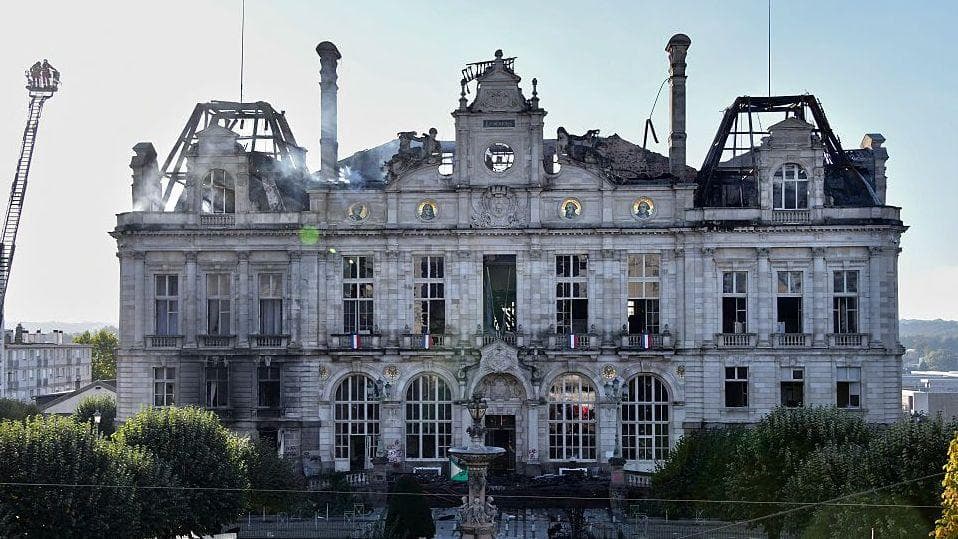
- The 19th-century Limoges town hall burned down during nationwide protests; its wooden clock tower collapsed in the flames
- Limoges' 19th-century town hall burned down during nationwide protests; the wooden clock tower collapsed in the flames
- Two suspects (aged 66 and 34) have been arrested; prosecutors report links to “radical-left networks”
- Damage in Limoges is estimated at around €500,000; a night-time curfew has been imposed and gatherings limited to 10 people
- Damage in Limoges is estimated at around 500,000 euros; a night-time curfew has been imposed in the city and gatherings are limited to 10 people
The Limoges fire and the authorities' response
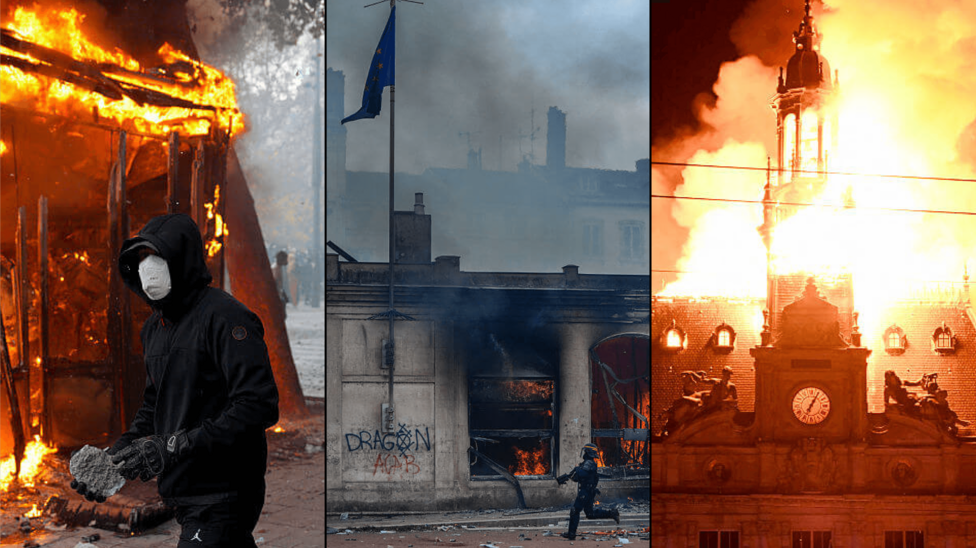
The 19th-century Limoges town hall, whose wooden clock tower collapsed in flames over the weekend, has become the defining image of nationwide protests in France. The city's mayor, Guillaume Guérin, who took office only six months ago, called what happened “a historic tragedy for France, not just for Limoges” and, according to a BBC correspondent, wept upon seeing the scale of the damage. He considers the residents' reaction “legitimate and entirely understandable” (BBC News).
The suspects and political accusations
According to BBC News, two men have been arrested in connection with the fire — aged 66 and 34; prosecutors say they have links to “radical-left networks”. The conservative mayor blames France's radical left, “backed by rioters”. He claims he received a message of support from US Vice President JD Vance, but not from his own outgoing president, Emmanuel Macron. According to Guérin, what happened will affect the upcoming presidential election: “This country is not at all well.”
The causes of the protests and the political backdrop
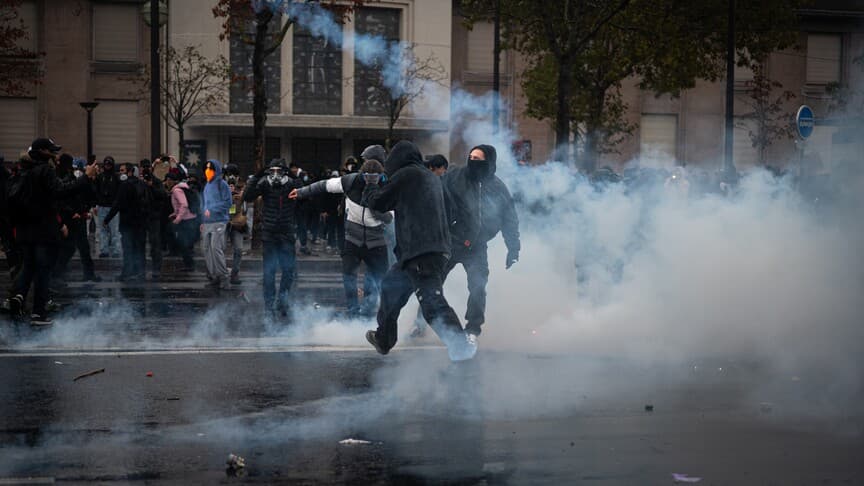
The protests, in which hundreds of thousands of people — mostly young — have taken part over several weeks, began with demonstrations over the poor condition of high schools but grew into broader discontent over the cost and difficulty of living. Against this backdrop stand one of Europe's largest budget deficits and a presidential election in six months, for which candidates across the spectrum are offering their solutions. The centrist government, in BBC News's assessment, is short of solutions, a majority in the National Assembly, and time; Prime Minister Sébastien Lecornu visited Limoges on Friday evening.
Security measures and the city's divide
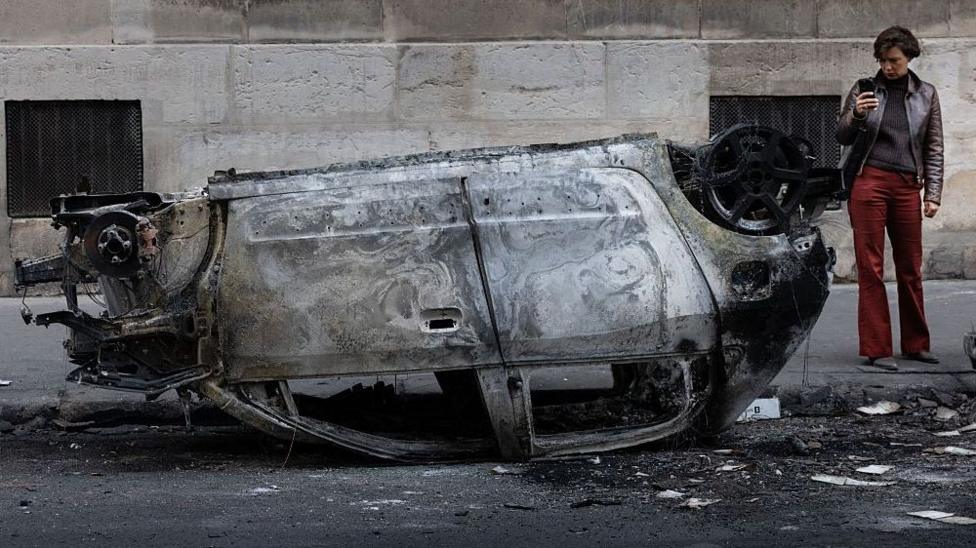
The authorities have banned demonstrations in a number of cities and promised to reinforce police over the weekend to prevent a repeat of the riots. A night-time curfew has been imposed in Limoges, and gatherings in the city centre are limited to ten people. Damage from the riots and fires in the city is estimated at around €500,000 (about £420,000). Residents' opinions are divided: 24-year-old student Alexandre asks “what matters more: the town hall or people living in poverty”, while 19-year-old medical student Jade, who lives on €300 a month, believes “burning the town hall is sad, but it is not the saddest part of the protests”. Other residents, including fishmonger Jean Roger Faucher, whose family has worked the market for over a century and who was married in the town hall, say they cannot accept protests when people's lives are at risk. Pascal Wülstecke, who works 100 hours a week, cannot understand why so many people took to the streets so easily.
Why this matters
The event matters because, in the Limoges mayor's own assessment, it will affect the presidential election in six months, and the protest movement continues to grow — further actions are planned. It primarily affects young French people, whose discontent over the cost of living has fuelled the protests, and city residents bearing the damage from the riots. Demonstration bans, curfews and police reinforcements have effectively already been introduced; at the same time, as BBC News notes, the hope that the destruction of a historic building will turn the movement from destruction back to debate is “far from guaranteed”.
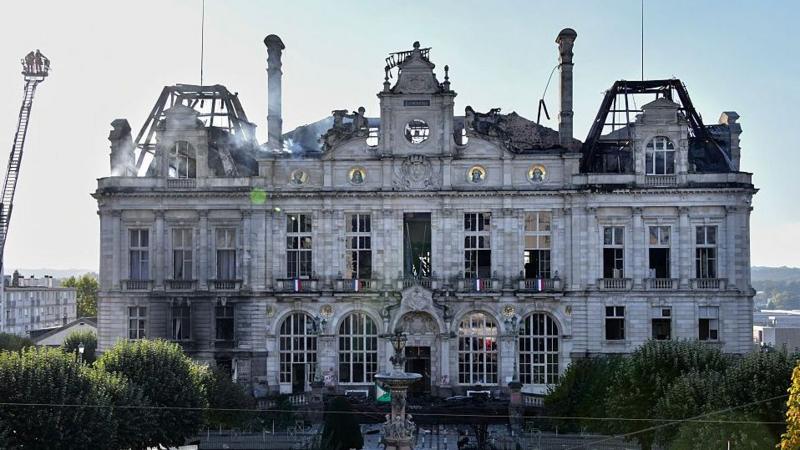 Image source, Getty Images
Limoges city hall was set on fire last weekend with its wooden clock tower collapsing on Saturday
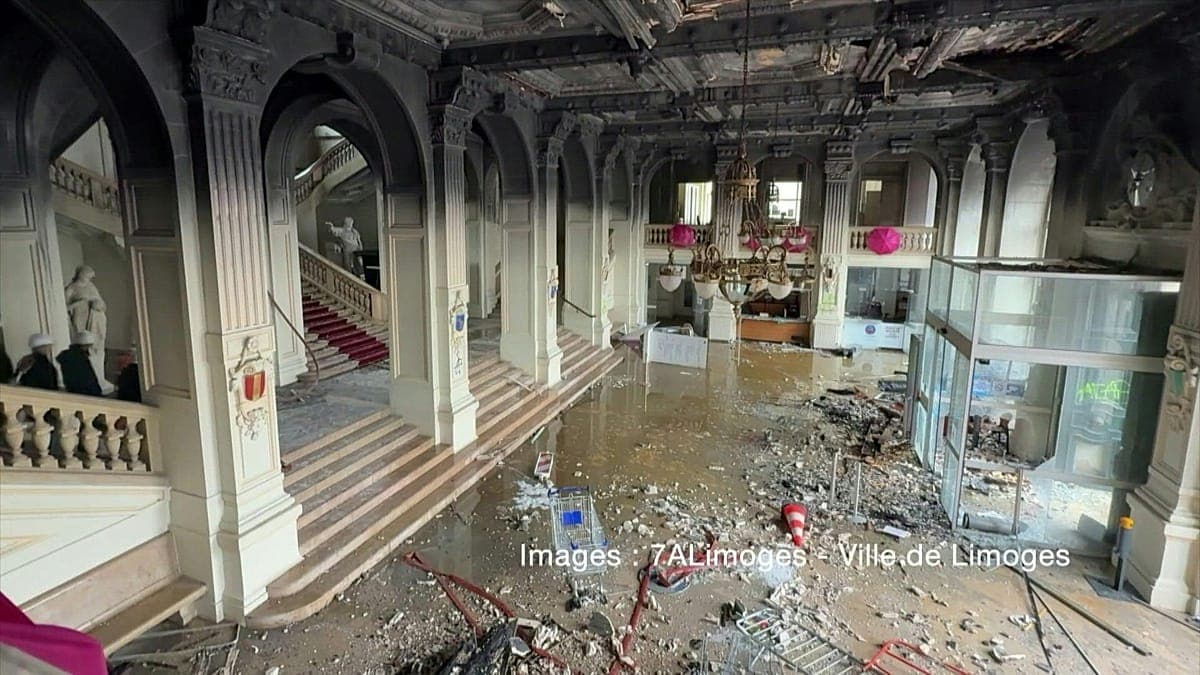
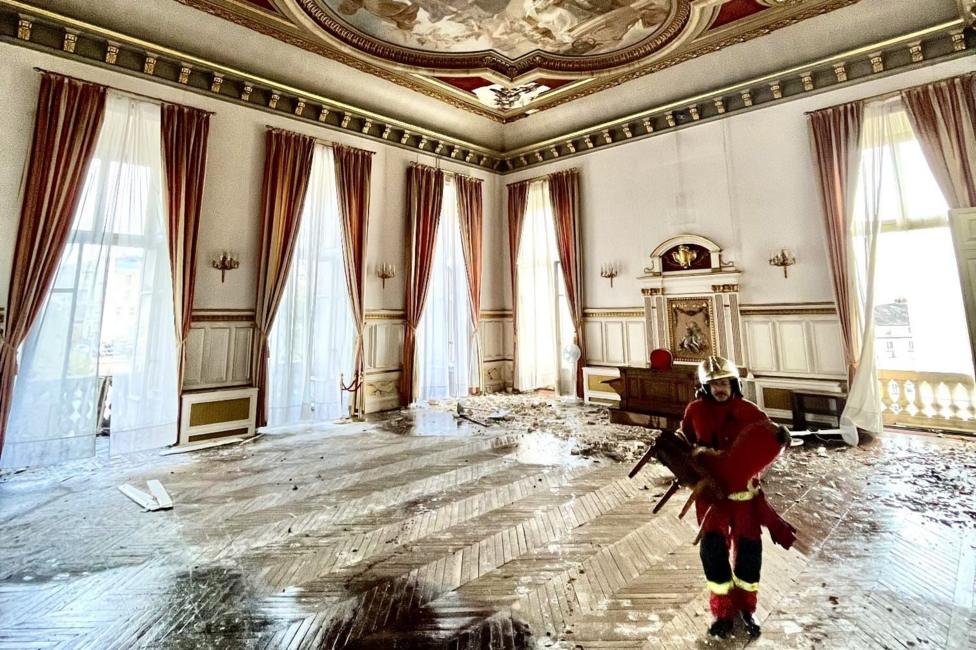 Image source, Ville de Limoges
Two men have been arrested in connection with the fire. Prosecutors say they have links to “radical-left networks”

Jade, a 19-year-old medical student, says she has to get by on €300 per month and is frustrated by French politics

Jean Roger Faucher got married in Limoges town hall. He says he cannot accept protests when they put people's lives at risk