The key facts
- Deputy Speaker Ahmad Tibi removed three lawmakers from Likud and Jewish Power after mutual accusations
- The incidents occurred on Tibi's first day as deputy speaker
- Matan Kahana was elected Knesset speaker, defeating the Likud candidate by a vote of 66:52
Three lawmakers removed from session
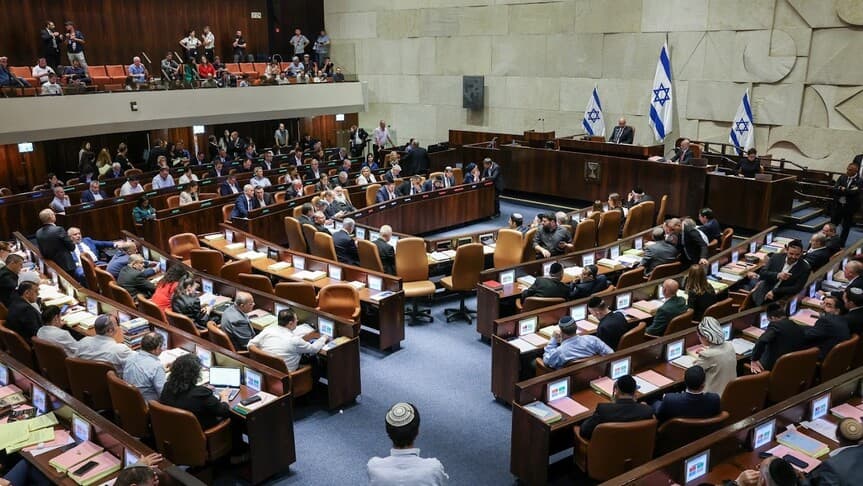
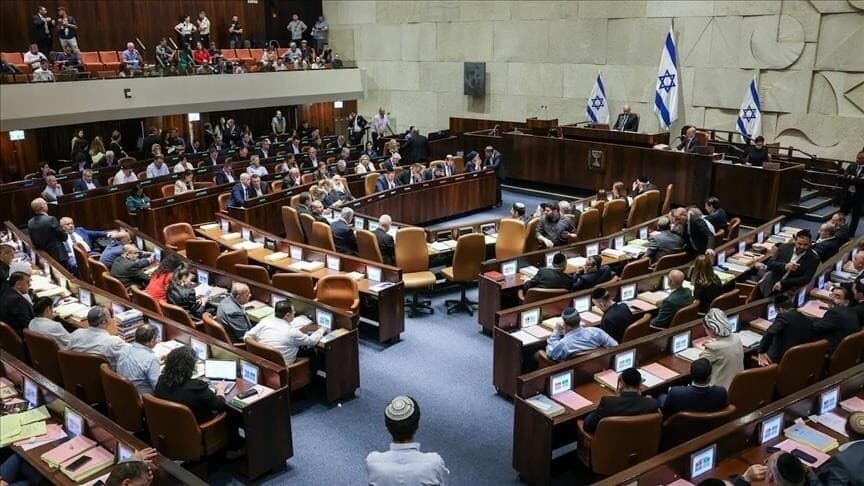
Deputy Speaker of the Israeli Knesset Ahmad Tibi on Wednesday removed three lawmakers from a session he was chairing after heated exchanges in which he was accused of disloyalty and of supporting terrorism. The Anadolu agency reported this citing recordings of parliamentary sessions and Israeli television channels.
What happened in the chamber
Tibi, chairman of the Arab alliance 'Joint List' and leader of the 'Ta'al' party, removed Erez Tadmor and Almog Cohen of Likud, as well as Hanamel Dorfman of the 'Jewish Power' party (Otzma Yehudit), in three separate incidents. According to the published recordings, Tadmor asked Tibi: 'Who are you loyal to — Palestine or Israel?' — and went on to ask whether he was loyal to the late Palestinian leader Yasser Arafat or to Israel, after which Tibi ordered him removed. Dorfman, according to a recording by the Knesset Channel, said: 'You are not the speaker of the Knesset. You are the head of terrorism.' Tibi demanded he immediately leave the podium, telling the lawmakers: 'Get used to the new rules.' In the third incident, according to a recording by Channel 12, Tibi said: 'One does not call the person chairing a session a supporter of terrorism. Out.' — and removed Cohen.
Context: change of parliamentary leadership
The incidents occurred on Tibi's first day as deputy speaker. The Knesset said 38 lawmakers voted in favor of electing nine deputy speakers, with 15 against; from the Arab parties, Tibi and Walid Taha of the 'United Arab List' were elected to these posts. Deputy speakers may chair plenary sessions, manage debates and enforce the rules of procedure. The day before, on Tuesday evening, Matan Kahana of Gadi Eisenkot's 'Yashar' party was elected Knesset speaker, defeating Likud candidate Ofir Katz by a vote of 66 to 52.
Political background
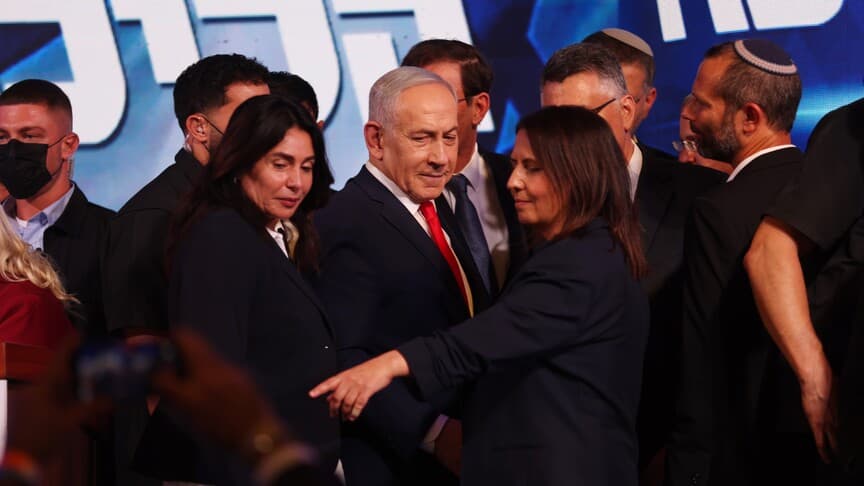
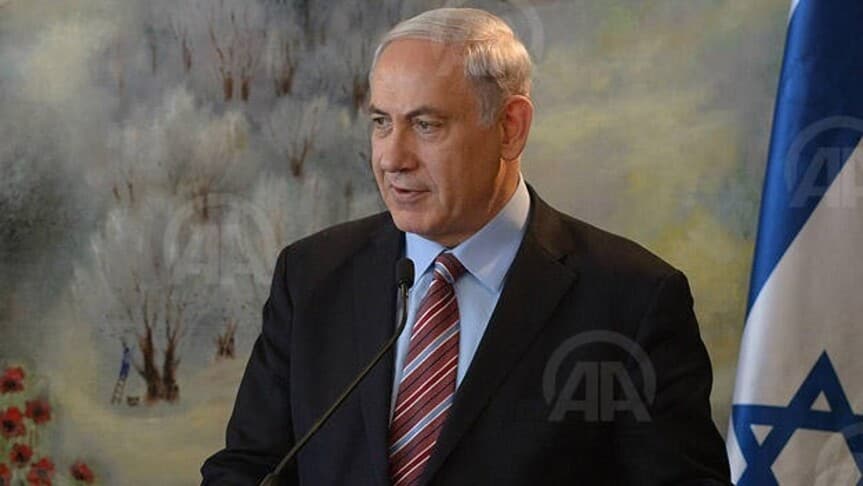
The changes follow the parliamentary elections of October 27, in which the Arab parties won a record 19 of the 120 seats in the Knesset. On November 8, President Isaac Herzog tasked Eisenkot with forming a government to replace the current transitional cabinet of Prime Minister Benjamin Netanyahu; Eisenkot has 28 days for this, with a possible 14-day extension. Thus, the sharp clashes in the chamber came at a time when the composition of the new government had not yet been determined, and the record representation of the Arab parties had for the first time given their representatives the posts of deputy speakers.