The key facts
- The Knesset approved in preliminary reading three bills repealing laws passed with the support of Netanyahu's government
- Votes: 63–47 on the attorney general law and the judicial appointments committee, 63–49 on the broadcasting law
- Before taking effect, the bills must pass three more readings
What happened in the Knesset
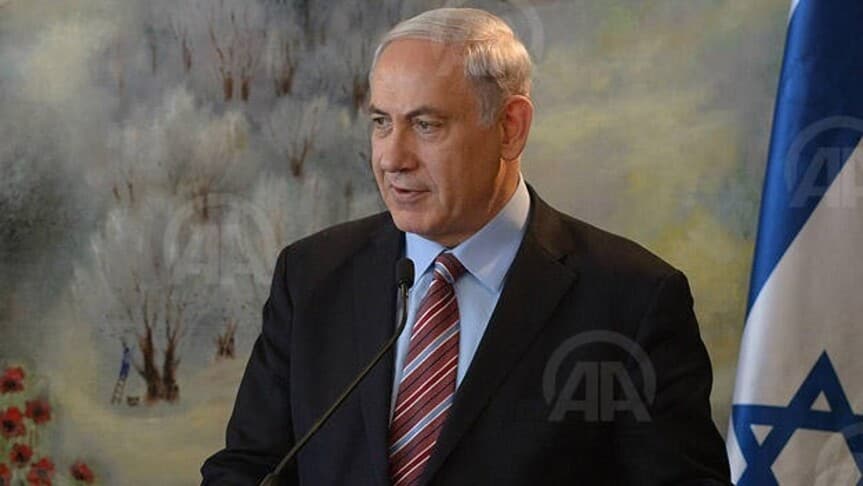
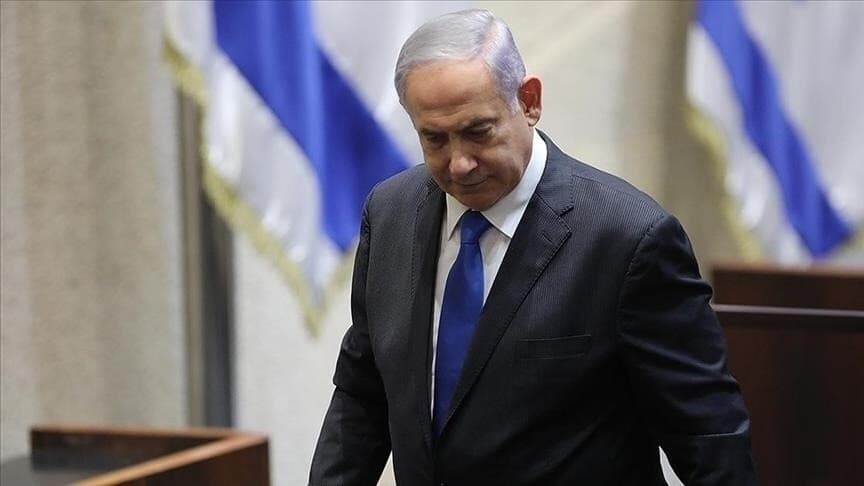
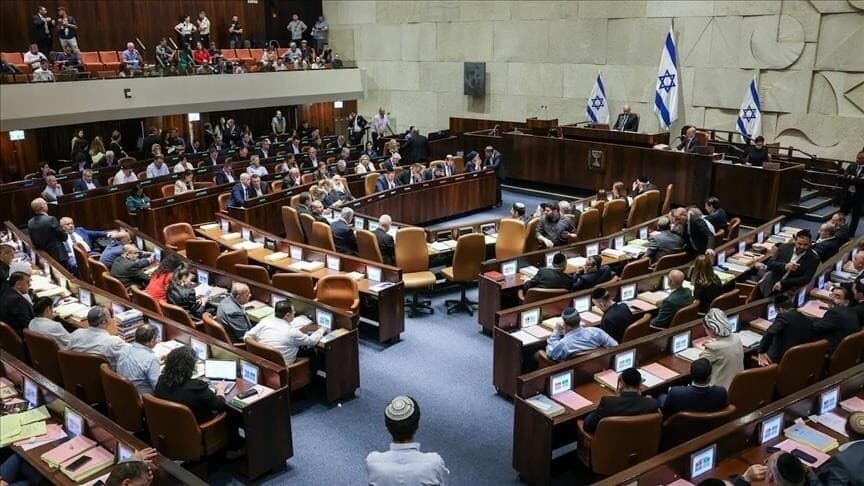
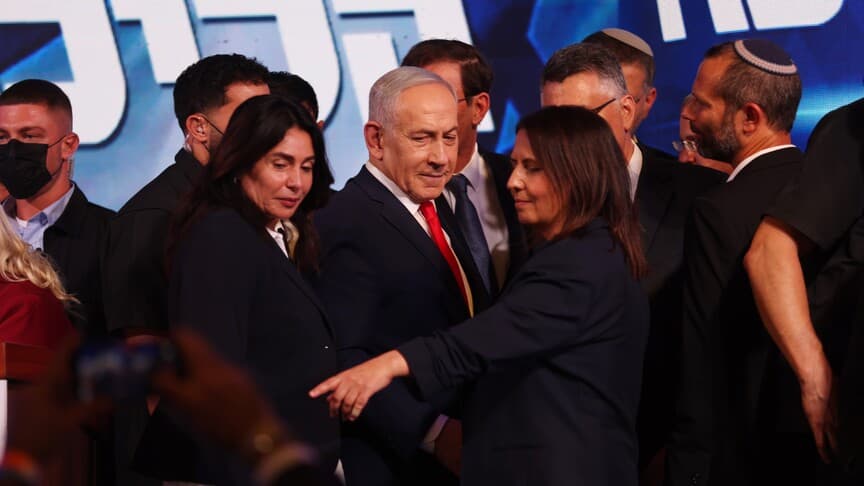
The Knesset on Wednesday gave preliminary approval to three bills aimed at repealing changes promoted by Benjamin Netanyahu's government: to the law on the attorney general's powers, the broadcasting law, and the procedure for forming the judicial appointments committee. The repeal of the attorney general law was supported by 63 deputies against 47, the repeal of the broadcasting law by 63 against 49, and the restoration of the previous composition of the judicial appointments committee by 63 against 47. All three initiatives must pass three more readings before becoming law. The change bloc led by prime minister-designate Gadi Eisenkot committed to repealing the laws that curtailed judicial powers, affected the attorney general's powers and, according to the bloc, personally benefited Netanyahu.
The attorney general law and the judges committee
The attorney general law, passed on July 15 by a vote of 61 to 51, made the attorney general's legal opinions non-binding and expanded the government's powers to appoint and dismiss the head of the office and determine its representation in court. The repeal bill, introduced by deputy Efrat Rayten Marom and colleagues, is meant to restore the legal framework in force before the law took effect; according to the Knesset's wording, the goal is to protect the attorney general's independence from partisan interference. Back in June, Attorney General Gali Baharav-Miara warned that the government's measures were directed against law enforcement institutions and mechanisms of oversight over the executive branch. Deputy from the Democrats party Gilad Kariv said the party had promised to repeal the law immediately after the elections and then, 'with genuine consensus,' address regulating relations between the branches of government. Justice Minister Yariv Levin of Likud called the repeal 'a hysterical and shameful legislative blitz' and told the change bloc's deputies: 'Everything you are trying to repeal will come back, and with greater force.' The second bill repeals an amendment passed in March 2025: it kept the nine members of the judicial appointments committee but replaced two representatives of the bar association with lawyers appointed separately by the government and the opposition. The Knesset on Wednesday stated that the amendment increased the influence of political representatives on judicial appointments, reducing the role of professional bodies; the bar association had already warned at the time of its passage about an attempt to establish political control over the judicial system.
The broadcasting law and the parties' positions
The third bill, introduced by deputy Eitan Ginzburg and colleagues, repeals the 2026 broadcasting law and restores the previous regulatory framework, including the repeal of indirect amendments to other legislation. The law passed in July provided for a new regulator to replace the Cable and Satellite Broadcasting Council and the Second Authority for Television and Radio; the changes raised concerns that the government would gain greater influence over broadcast media. The Supreme Court in July froze the implementation of the changes pending a ruling on lawsuits against the law. Ginzburg said the law 'must be repealed, and the broadcasting market re-regulated, but in the right way,' pointing to internal contradictions and fundamental problems in the document. Communications Minister Shlomo Karhi of Likud rejected the repeal, saying it would not prevent new broadcasters, including channels 15 and 16, from entering the market: 'The left's monopoly is already broken. The train is moving.'