The key facts
- Netanyahu and Bennett spent about 2.5 hours in the prime minister's office at the Knesset without informing Eisenkot
- Netanyahu's office called the meeting a security briefing
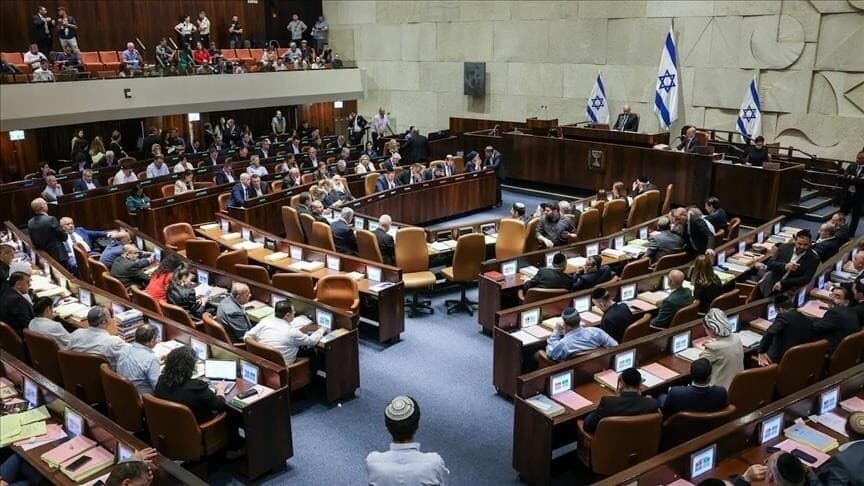
- Eisenkot's bloc holds 48 of 120 seats; for a majority he needs the support of the Arab parties (19 seats)
A surprise meeting and the bloc's reaction
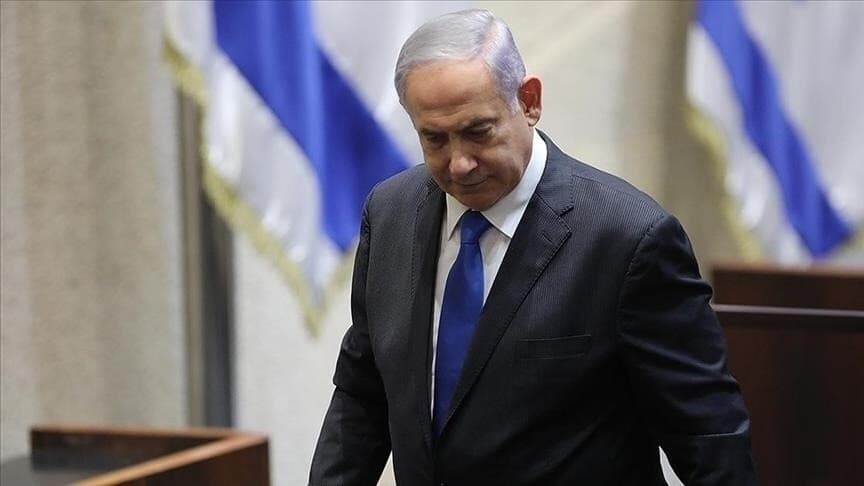
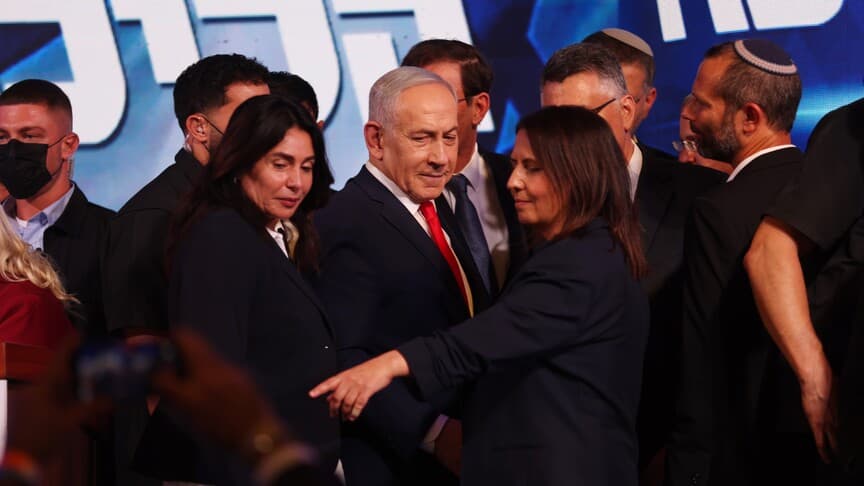
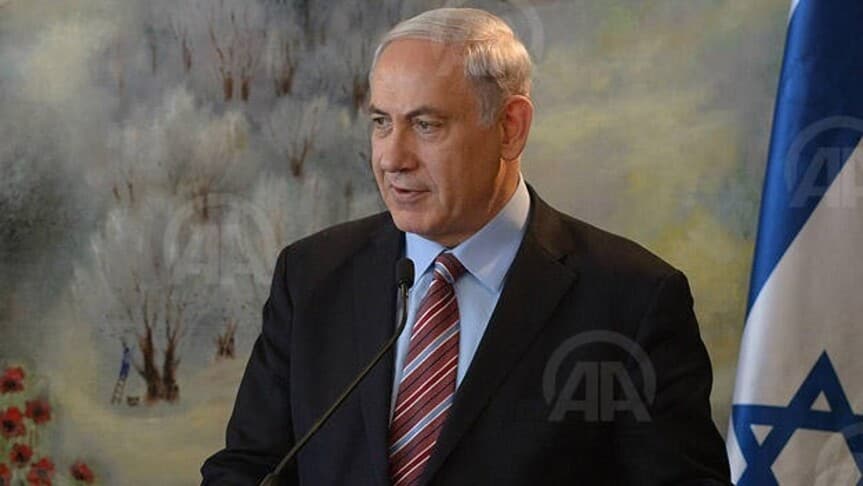
The surprise meeting between Benjamin Netanyahu and former prime minister Naftali Bennett drew sharp criticism from Bennett's associates: within Gadi Eisenkot's bloc, there were suspicions that the caretaker prime minister was trying to split their alliance, reported the Israeli newspaper Yedioth Ahronoth, cited by Anadolu. Bennett, leader of the Yashar party, spent about two and a half hours in Netanyahu's office at the Knesset without informing Eisenkot in advance. The meeting delayed the planned talks of the bloc's leaders, who continued discussing the formation of a new government.
The official version and Bennett's position
Netanyahu's office described the meeting as a security briefing; according to the newspaper, National Security Adviser Shmuel Ben Ezra and the prime minister's military secretary, Major General Guy Markizeno, also took part. A Bennett associate rejected suggestions that he might join a government led by Netanyahu without his political partners: “There is no chance he will serve under Netanyahu alone,” he said, adding that Bennett is working on a national unity government headed by Eisenkot.
Context of the talks and the balance in the Knesset
The meeting took place against the backdrop of contacts between Netanyahu's Likud and Eisenkot's Yashar party, where the post of prime minister remains the main obstacle to an agreement. The Maariv newspaper reported concerns in Eisenkot's camp that the unity talks could end in new elections; the bloc had hoped that the prospect of a minority government supported by the Arab parties would push Netanyahu to agree to a government headed by Eisenkot. Later that day, Bennett, together with other bloc leaders, reaffirmed their commitment to a government under Eisenkot's leadership: a joint statement said that replacing Netanyahu as quickly as possible remains their top priority. Eisenkot's bloc holds 48 seats in the 120-member Knesset, compared with 53 for Netanyahu's allies; the remaining 19 seats are held by the Joint List and the United Arab List, giving Eisenkot a potential majority with their support. President Isaac Herzog tasked Eisenkot with forming a government on November 8, following the October 27 elections; he has 28 days, with a possible 14-day extension.