The key facts
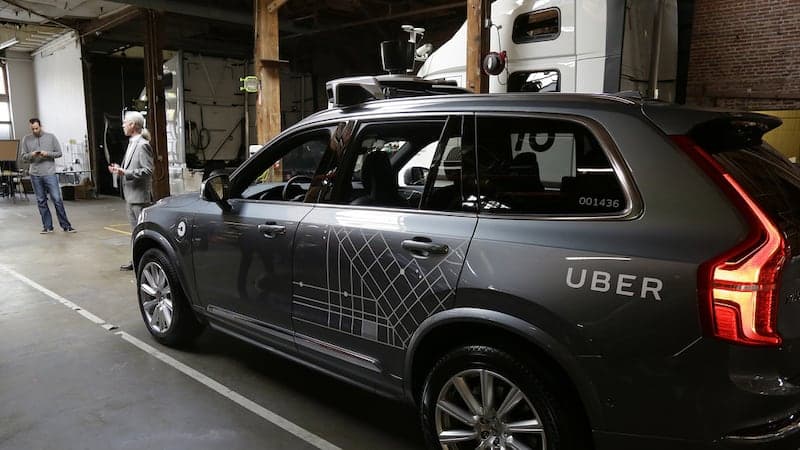
- Uber is investing $50 million (AED 184 million) in expanding autonomous taxis in Dubai over two years
- By the end of next year, the service will cover Downtown Dubai, DIFC, Business Bay, Jumeirah and Umm Suqeim
- In the initial phase, a specialist will be on board; the fully driverless mode will follow regulatory approval
Investment and expansion zones
Uber has committed to allocating AED 184 million ($50 million) over the next two years to expand its autonomous taxi service in Dubai. The announcement was made during Dubai Future Week 2026, which runs from November 18 to 21 at Emirates Towers and the Museum of the Future; the investment was reported to Dubai's Crown Prince Sheikh Hamdan bin Mohammed, who heads the emirate's Executive Council.
What will change for passengers
Under the plan, by the end of next year driverless vehicles will appear in additional residential, commercial and busy districts. Passengers will be able to take door-to-door trips in Jumeirah and Umm Suqeim — for example, between Kite Beach and Madinat Jumeirah — without being tied to fixed pick-up and drop-off points. The service will also be extended to Downtown Dubai, the Dubai International Financial Centre (DIFC) and Business Bay.
Phased transition to fully driverless mode
In the initial phase, a specialist monitoring the system's operation will be present in each vehicle. Fully driverless commercial rides will begin later and only after regulatory approval. The investment supports Dubai's autonomous transport strategy, which envisions that by 2030, 25% of all trips in the emirate will be made using autonomous vehicles.
Stakeholder assessments
Matar al-Tayer, Director General and Chairman of the Board of Dubai's Roads and Transport Authority (RTA), called the investment an important step in the transition from pilot projects and limited operations to the wide rollout of integrated commercial services, noting that the next stage will focus on carefully planned expansion, development of the regulatory framework and infrastructure. Pradeep Parameswaran, head of Uber's global mobility business, emphasized that the investment reflects the company's long-term commitment to building operational infrastructure, local partnerships and a mixed-fleet ecosystem. Khalifa Al Juma Belhoul, head of the Dubai Future Foundation, saw the deal as confirmation of the effectiveness of the emirate's public-private partnership model.