The key facts
- French Weir Park in Taunton failed samples on 13 of 19 sampling days in the summer of 2026 — the worst result among Britain's 700 official bathing sites
- French Weir Park in Taunton failed samples on 13 of 19 sampling days in the summer of 2026 — the worst result among the 700 official bathing sites in the UK
- The BBC's measurements showed about 240,000 CFU of E. coli per 100 ml in treated effluent from the Bradford-on-Tone works — roughly 250 times the safe level
- There are no bacterial standards for treated effluent, so such discharges are legal
- There are no bacterial standards for treated sewage, so such discharges are legal
The worst bathing spot in the country
On the bank of the River Tone in French Weir Park in Taunton, an official sign does not recommend swimming, but local women who have been swimming there for decades continue their dips. Since 2024 the site has held official bathing status, and from May to September the Environment Agency (EA) tests the water. In the summer of 2026, samples failed minimum standards on 13 of 19 sampling days — a 68% failure rate, the highest figure among all 700 official bathing sites in Great Britain, which BBC News analysed. Regulators look for faecal bacteria — E. coli and intestinal enterococci, which can cause illness if ingested.
What the BBC's measurements showed
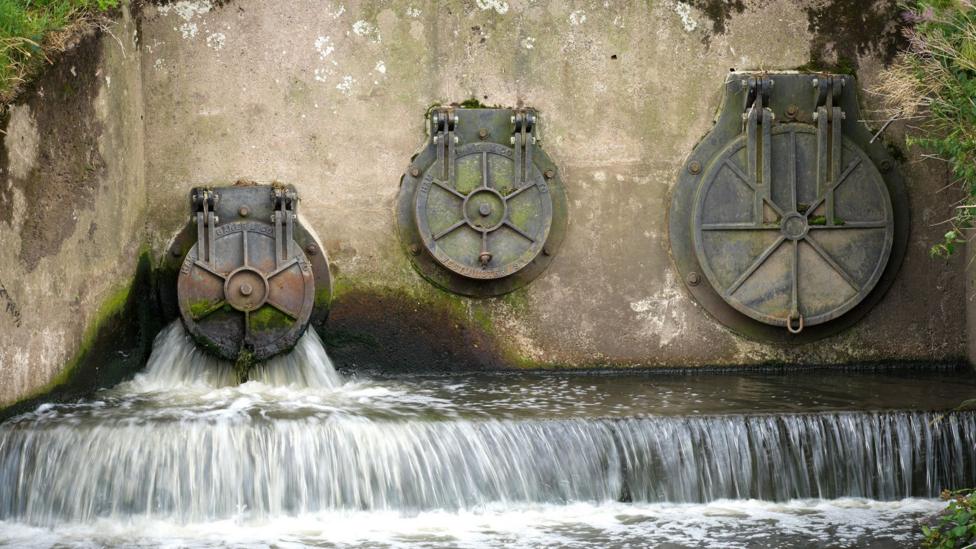
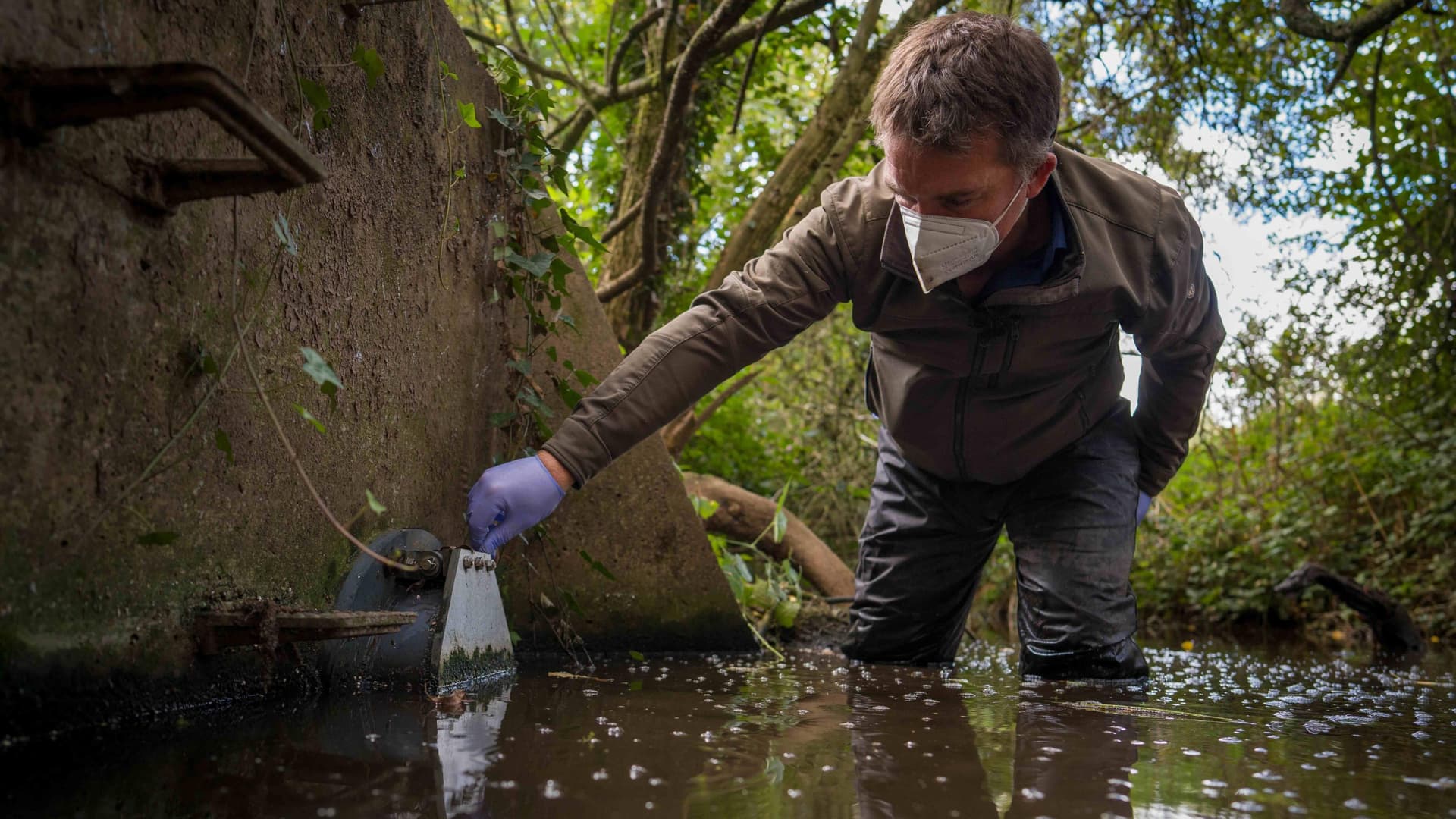
Journalists took samples near three wastewater treatment works upstream. The treated effluent discharged from the Bradford-on-Tone works contained about 240,000 colony-forming units (CFU) of E. coli per 100 ml — roughly 250 times the level considered safe for bathing. Below the discharge point the river showed 7,701 CFU versus 199 CFU above it — more than eight times the regulator's limit. Rob Morley, a microbiologist at Index Microbiology who analysed the samples, noted that treated effluent 'seeds the river with pollution'. According to e-DNA analysis involving the University of Bristol, some of the bacteria were of human origin, some animal or environmental; final conclusions will require further research.
A legal discharge and a systemic problem
As Andrew Thompson, a member of the Institution of Chemical Engineers who took part in the 2024 report on concentrations of bacteria and viruses in water, explained to the BBC, the levels of E. coli found are not illegal: there are simply no standards for bacterial content in 'treated effluent'. Permits for the works are issued to protect the river's ecology, not to meet bathing water standards — as Jim Flory, the EA's regional manager for the south-west, pointed out. Sources within the EA named continuous flows of treated effluent as one of the main likely culprits behind the poor water quality in Taunton. Wessex Water said the Bradford-on-Tone works is operating normally and complying with all permit conditions, and that it will publish its findings in April 2027.
The broader picture
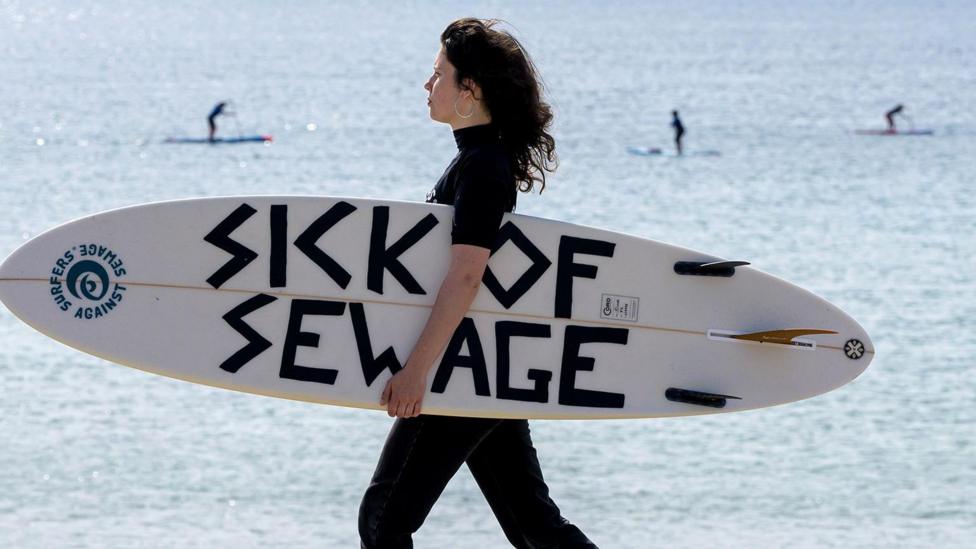
The problem is not limited to Taunton: more than 10% of coastal and 37% of inland (lake and river) bathing sites in Great Britain failed minimum standards in the summer of 2026, and seven of England's eleven worst sites were on rivers and lakes. Last year, according to the BBC, an official recommendation not to swim was in force at 12 of England's 14 river bathing sites — while an unusually dry summer calls into question the explanation that blames only storm overflows of untreated sewage. The 2024 report, to which Thompson contributed, warned that high concentrations of bacteria and viruses are common, especially in summer when river levels are low. The solution is costly: at the Cassington treatment works upstream of Oxford's second river bathing site, Wolvercote Mill Stream, where the water is consistently rated 'poor', a £4 million ultraviolet disinfection unit has just been installed. However, such systems exist at only 160 of England's nearly 7,000 works, and Thames Water said installing them everywhere is simply too expensive.
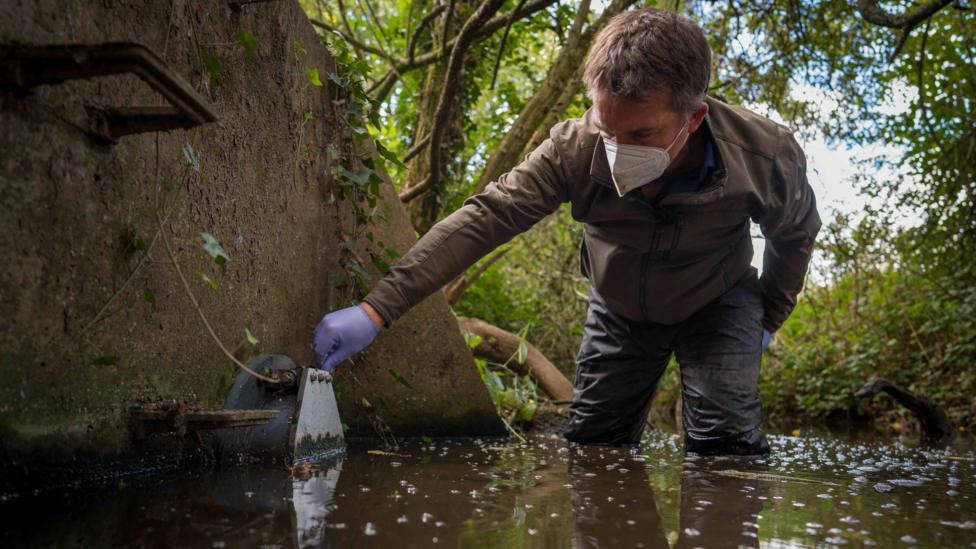 Image source, Tony Jolliffe/BBC
The BBC has been investigating whether discharges of treated sewage might be responsible for poor water quality at a bathing site in Taunton.
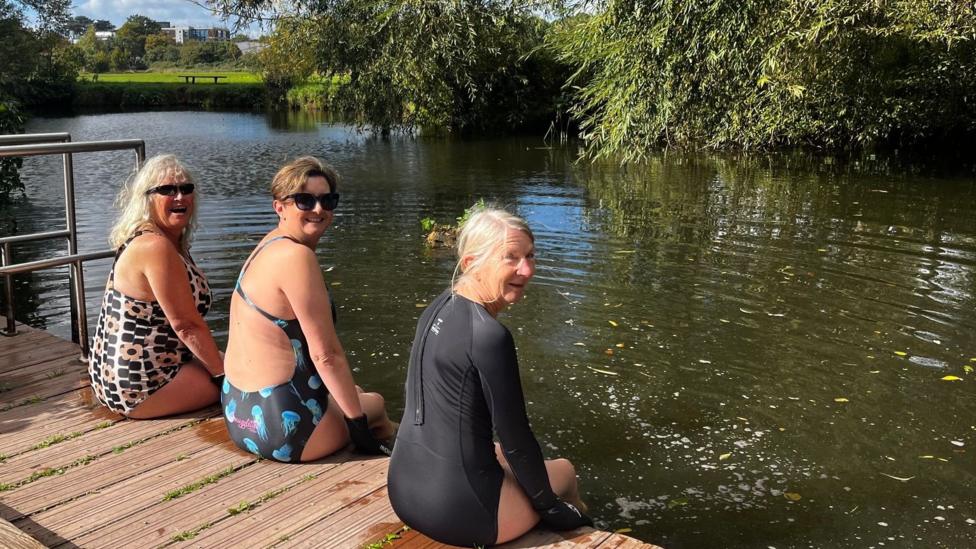 Image source, Jonah Fisher/BBC
Despite the high levels of faecal bacteria and the health warnings, Jenny, Jo and Jo have kept swimming at the bathing site in Taunton
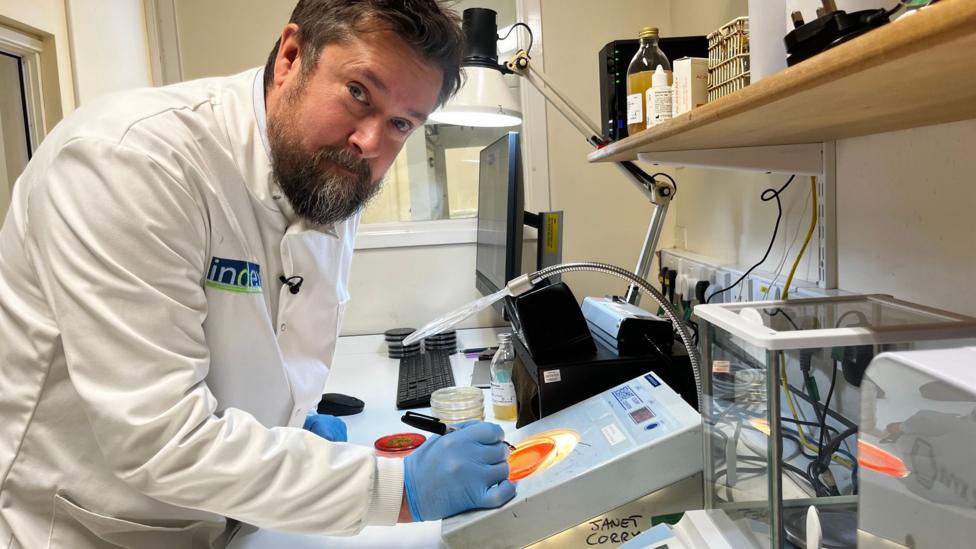 Image source, Jonah Fisher/BBC
Dr Rob Morley of Index Microbiology assisted in analysing the water samples around the wastewater treatment works
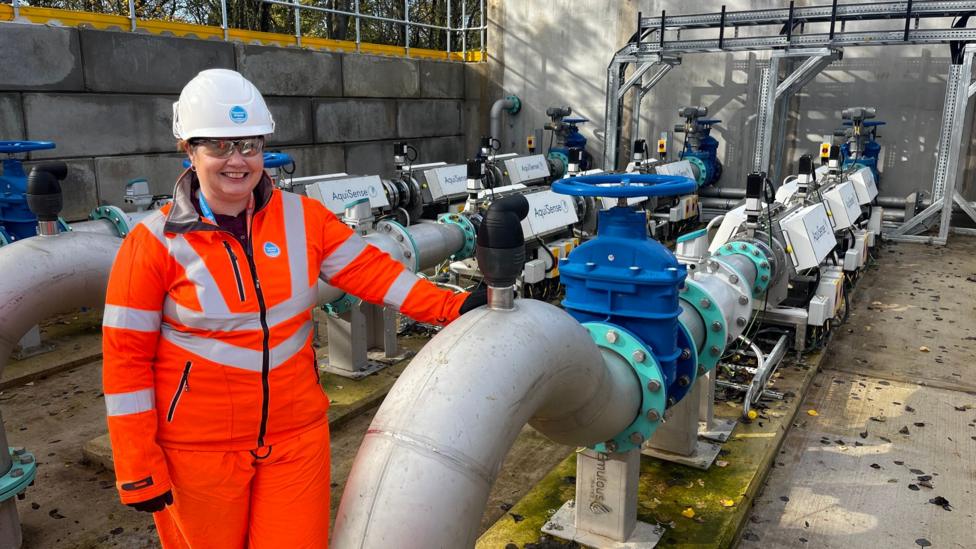 Image source, Jonah Fisher/BBC
Tessa Fayers of Thames Water says installing UV disinfection, like they have at Cassington near Oxford, everywhere is just too expensive