The key facts
- Stone Age monuments have been recorded for the first time in the Xatirchi district of Navoiy region: open-air sites, cave shelters, petroglyphs, and stone tools
- The finds were collected near springs in early November during joint fieldwork by Samarkand State University and the Yahyo G'ulomov Institute of Archaeology
- The tools are preliminarily dated to the early stages of the Holocene (about 10–16 thousand years ago) and to the Mesolithic–Neolithic
What Was Found in the Xatirchi District
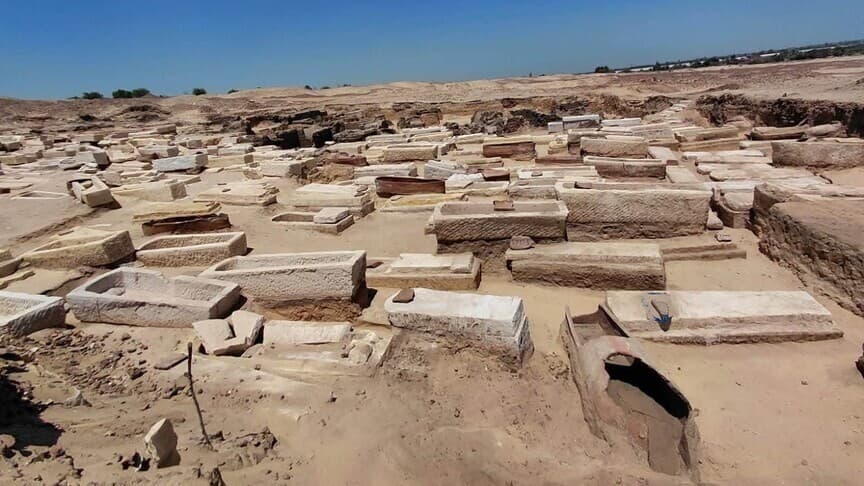
In the Xatirchi district of Navoiy region, open-air sites, cave shelters, rock art images, and other artifacts dating to the Stone Age have been identified. The discoveries were made in early November during archaeological survey work carried out jointly by Samarkand State University and the Yahyo G'ulomov Institute of Archaeology in villages belonging to the Angidon mahalla at the foothills of the Nurata Range.
The Tools and Their Preliminary Dating
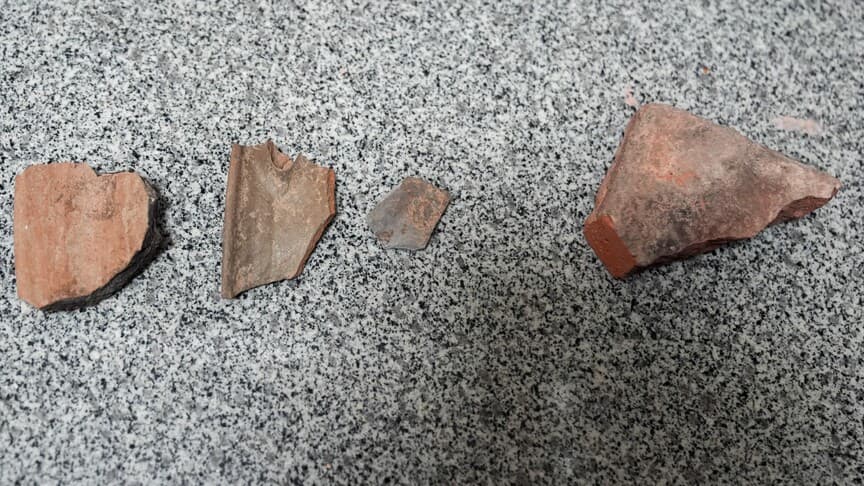
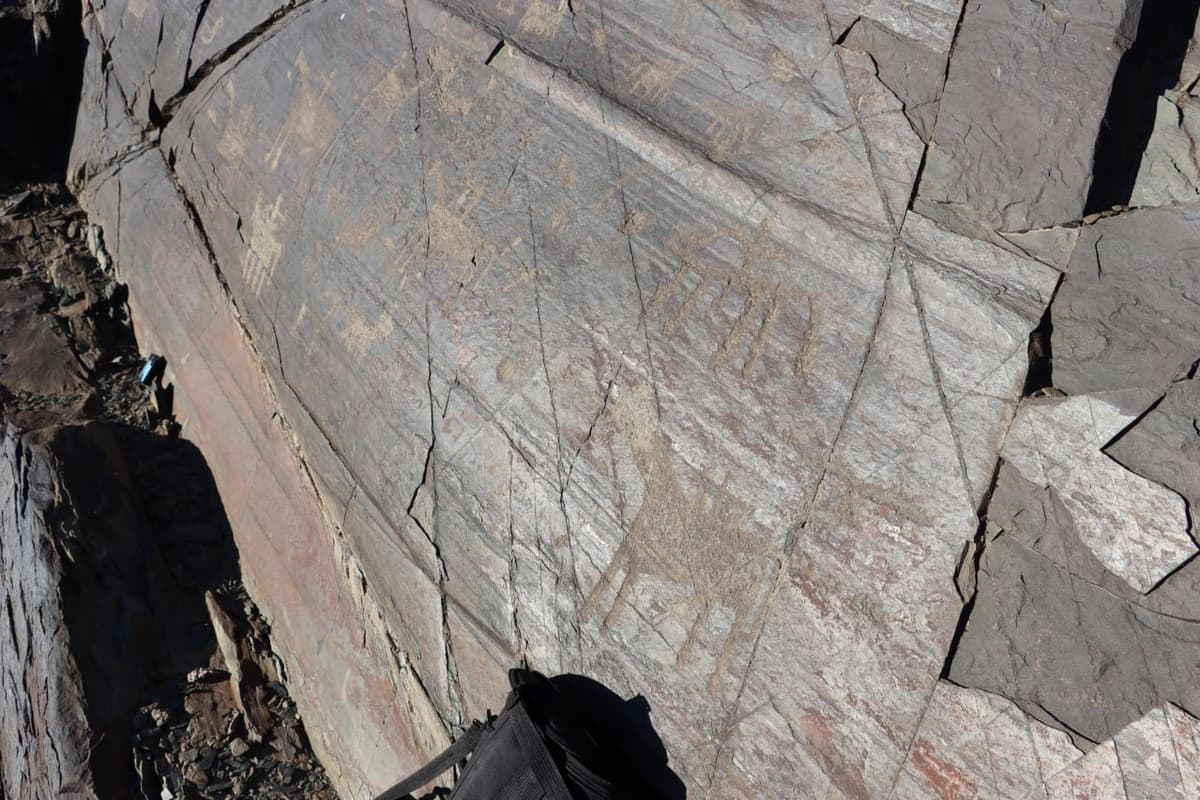
During the research, stone artifacts were collected near springs located by terraces on the mountain slopes: knives, retouched flakes and blades, microblades, bladelets, and scrapers. Most of the tools are made of sandstone and brown flint. Based on the working technique and the state of preservation, the finds are preliminarily attributed to the early stages of the Holocene — a period that began roughly 10–16 thousand years ago; overall, the material culture of the finds is characteristic of the Mesolithic and Neolithic (12th–3rd millennia BCE). In addition, rock art images were discovered near the village of Chinor, and springs and kurgan burial grounds promising for future research were plotted on the map.
Connection with Known Workshops and the Significance of the Discovery
According to the institute, Stone Age monuments have been recorded on the territory of the Xatirchi district for the first time: this indicates that the district's ancient history goes back almost 10 thousand years or more. The identified monuments are located approximately 25–30 km from the well-known stone-working workshops of Uxtut, Ijant, and Vauş, so it is suggested that the raw material used at the ancient sites near the village of Chinor may have come from there. Going forward, the institute plans to continue surveys and scientific research in the area and to study the cultural and chronological characteristics of the monuments in greater depth; this is expected to yield new data on the settlement of the foothills of the Nurata Range and on the Stone Age of the region. Earlier, similar finds — petroglyphs painted with ochre and attributed to the Mesolithic and Neolithic, as well as a Bronze Age site — were recorded on the territory of the Koshrabot district of Samarkand region, which also lies within the Nurata Range.