The key facts
- Rzeczpospolita: Russian special services planned a sabotage near the Kaliningrad border in late October — early November, to be blamed on Ukraine
- Poland reinforced police, the Border Guard, the Internal Security Agency and special forces in the Warmian-Masurian Voivodeship
- Siemoniak confirmed additional measures, calling the threat plausible, but did not confirm plans for a mass-casualty attack
What is reported about the thwarted plan
The Polish newspaper Rzeczpospolita, citing senior Polish officials familiar with the operation, reported that Poland's intelligence services and military units thwarted a Russian plan to stage a deadly attack near the border with Kaliningrad and subsequently blame Ukraine. According to this information, the sabotage on Polish territory near the Russian exclave was planned for late October or early November and could have involved an armed border crossing and a staged attack on a target inside Russia. The purpose of the operation, the newspaper claims, was to accuse Ukraine, provoke public outrage and undermine Polish and international support for Kyiv.
How Poland responded
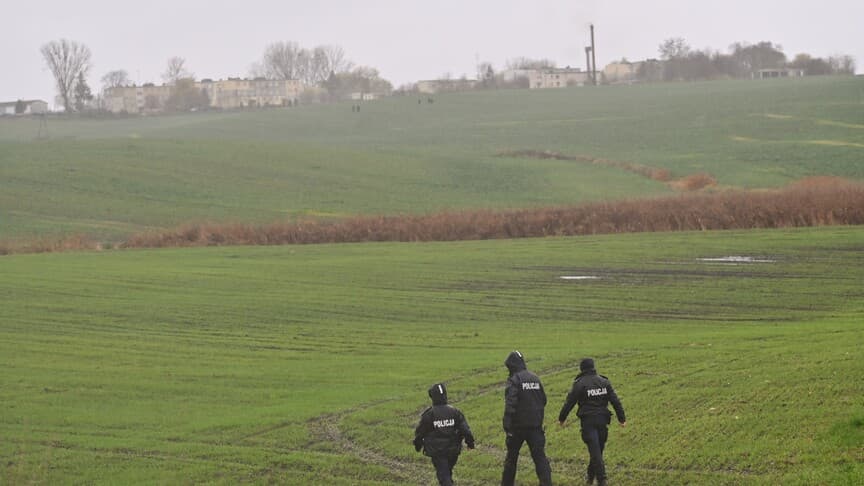
According to Rzeczpospolita, Polish authorities received intelligence identifying potential targets and warning that the attack could cause numerous casualties. Allied intelligence services reported the threat, and Poland's own analysts assessed it independently; concern, according to the newspaper, intensified after Russian intelligence officers linked to sabotage activities appeared near the border. In response, Poland reinforced police and Border Guard units in the north-eastern Warmian-Masurian Voivodeship, sent additional Internal Security Agency officers there, as well as special forces supported by drones, reconnaissance operations and Territorial Defence troops.
Official confirmations and caveats
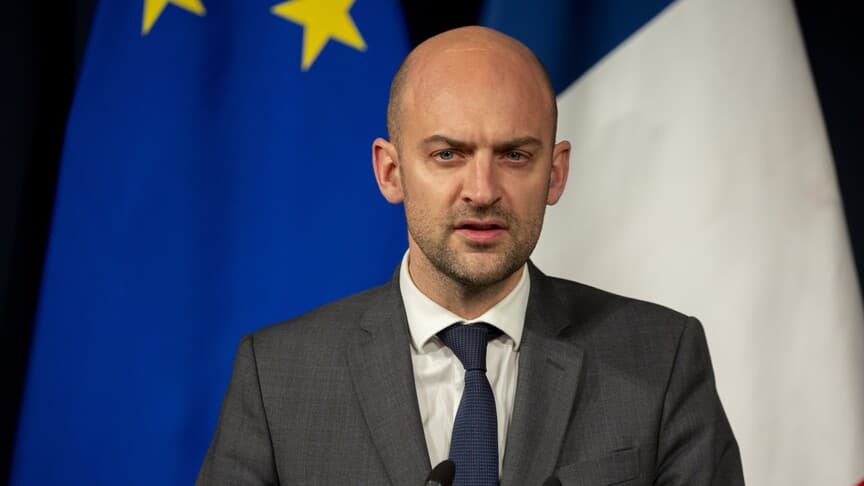
Tomasz Siemoniak, the minister coordinating Poland's special services, confirmed that additional security measures had been taken because the authorities considered the threat plausible. At the same time, he refused to confirm whether Russia had specifically planned a terrorist attack with mass casualties, explaining that the special services cannot disclose operational information and cannot establish Moscow's intentions with certainty. In his words, the measures taken by the police, border authorities and the military were proportionate to the assessed danger. Reports of the thwarted plan emerged after a November 3 incident, when Prime Minister Donald Tusk said Polish security forces had prevented a possible provocation near the Kaliningrad border after detecting suspicious night-time movements. The Rzeczpospolita publication itself relies on anonymous sources; the details described cannot yet be independently verified.