The key facts
- Pumping through the Kirkuk–Ceyhan pipeline has resumed for the first time in 12 years, with an initial flow of 120,000 barrels per day
- Iraqi Oil Minister Basim Mohammed Khudair announced plans to raise the volume to 500,000 barrels per day without specifying a timeline
- Iraq's Council of Ministers also approved a recommendation to reconstruct the pipeline
Oil Flows Again Through Kirkuk–Ceyhan
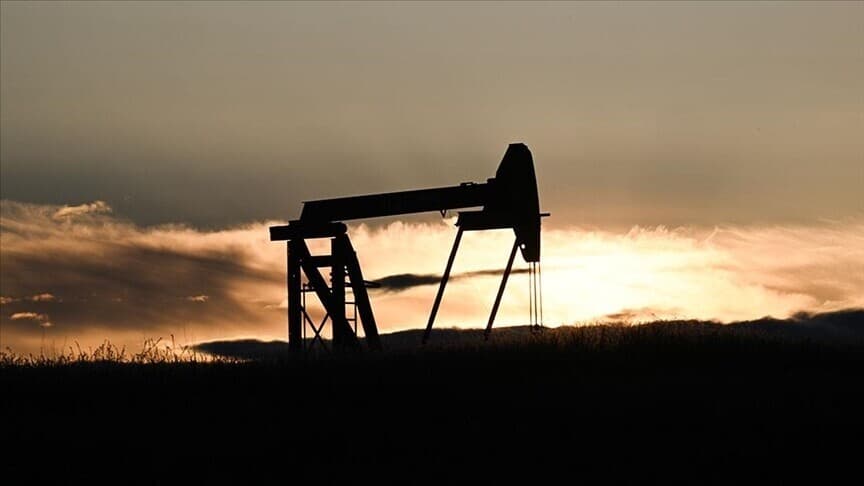
Iraq on Tuesday resumed oil pumping through the Kirkuk–Ceyhan pipeline for the first time in 12 years. The Oil Ministry in Baghdad said the supply was restarted after the completion of technical and operational tests. Resuming exports along this route gives Iraq an alternative to the southern export terminals, whose shipments pass through the Strait of Hormuz, where vessel traffic is restricted due to the ongoing war with Iran.
Volumes and Plans
Oil Minister Basim Mohammed Khudair said the initial flow has been set at 120,000 barrels per day, with plans to gradually increase it to 500,000, but gave no timeline. The same day, Iraq's Council of Ministers, meeting in Najaf under the chairmanship of Prime Minister Ali al-Zaidi, approved a recommendation to reconstruct the pipeline, proposed by the Council on Economic Affairs; the scope of the work was not disclosed.
Context of the Agreement with Turkey
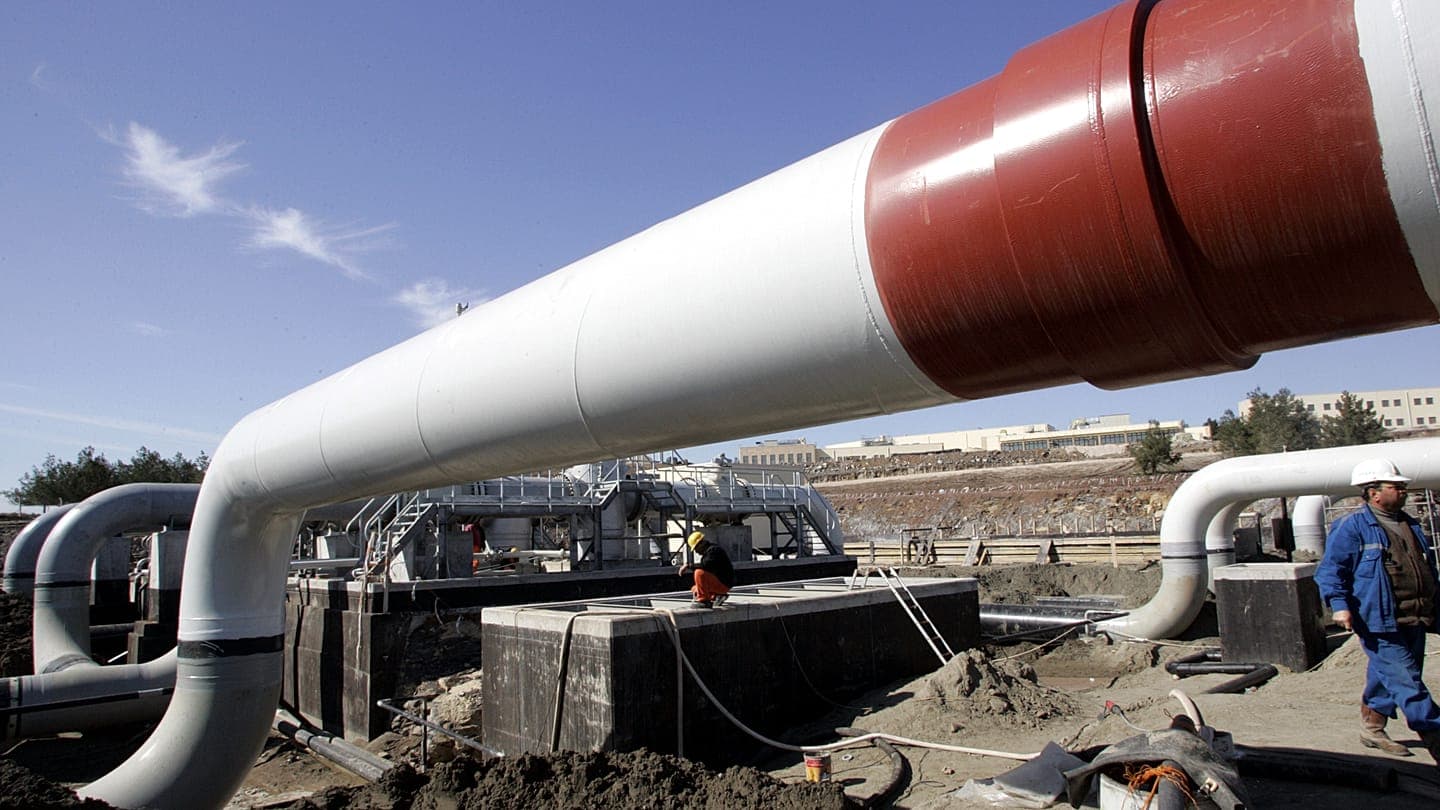
The pipeline connects the oil fields of northern Iraq with the port of Ceyhan on Turkey's Mediterranean coast and was taken out of service in 2014 after repeated attacks by the Islamic State group. In August, Iraq and Turkey agreed on a one-year scheme to maintain oil supplies through the pipeline while negotiations on a long-term agreement continue, based on the line's capacity of up to 750,000 barrels per day. In July, during a visit to Ankara, al-Zaidi said at a joint press conference with President Recep Tayyip Erdogan that Iraq could supply Turkey with up to 1 million barrels of oil per day; Erdogan noted that both countries seek to sign a comprehensive agreement on energy cooperation. According to Reuters, the impact on overall export volumes will depend on the availability of oil and on whether pipeline shipments become additional to existing export volumes.