The key facts
- The Security Sector Reform Committee decided to replace the force in Jurf al-Nasr and assign oil pipeline security to the Energy Police
- Investigation materials on pipeline violations were referred to the judiciary
- Four days earlier, al-Zaidi dismissed nine security and administrative officials, including the Babil police chief
Decisions of the committee's first meeting
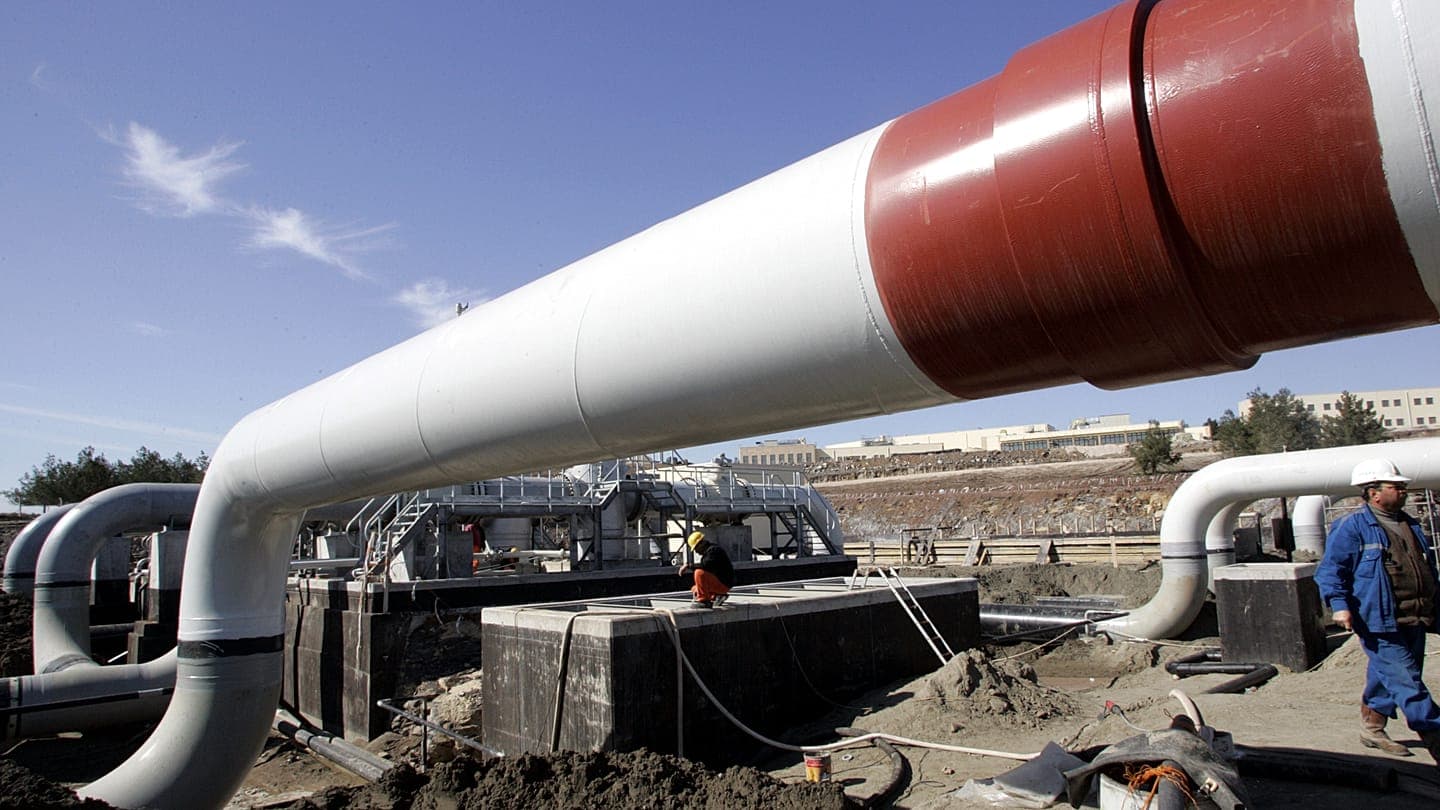
Iraq's Higher Committee for Security Sector Reform, at its first meeting chaired by Prime Minister Ali al-Zaidi in his capacity as commander-in-chief of the armed forces, decided to replace the security force controlling the Jurf al-Nasr district in the central province of Babil. According to the Prime Minister's Office, al-Zaidi will personally determine the replacement force. Security of the oil pipeline in the area was assigned to the Energy Police.
Investigation and personnel decisions
The committee referred the findings of the government investigation into violations related to the oil pipeline to the judicial authorities for legal action. The Prime Minister's Office linked the decisions to al-Zaidi's directives on protecting national resources and strengthening state authority. The decisions came four days after al-Zaidi announced the dismissal of nine security and administrative officials, including the Babil police chief and the commander of the provincial Popular Mobilization Forces unit, as well as the referral of those involved in oil smuggling to court.
What the investigation found
The spokesman for the commander-in-chief, Sabah al-Numan, said on Saturday that the government review had confirmed intelligence reports of oil smuggling in the area and uncovered oil refining installations and instances of interference with infrastructure. Among those dismissed were personnel from the police, intelligence and national security services, the Popular Mobilization Forces, the Energy Police, and the Oil Pipelines Company.
Background of the district and further reforms
Jurf al-Nasr, formerly known as Jurf al-Sakhar, is located in the north of Babil province. Iraqi forces and Popular Mobilization Forces formations recaptured the district from the ISIS group, which is banned in Russia, in 2014. Since then, the district has remained under tight security control, with armed factions, notably Kataib Hezbollah, retaining influence there, and many displaced residents are still awaiting return. The meeting also discussed the implementation of the national security sector reform strategy, including completing the transfer of security functions to the Ministry of Interior. The committee endorsed plans by security and intelligence agencies to consolidate stability and establish state control over all weapons, and will meet regularly to oversee the reforms.