The key facts
- The Knesset opened a session to elect a speaker to replace Amir Ohana
- Matan Kahana, according to Yedioth Ahronoth, has the support of 67 of 120 Knesset members, including 19 Arab members
- Eisenkot received the mandate to form a government on November 8, with a 28-day deadline and a possible 14-day extension
Speaker election session takes place against the backdrop of a government deadlock
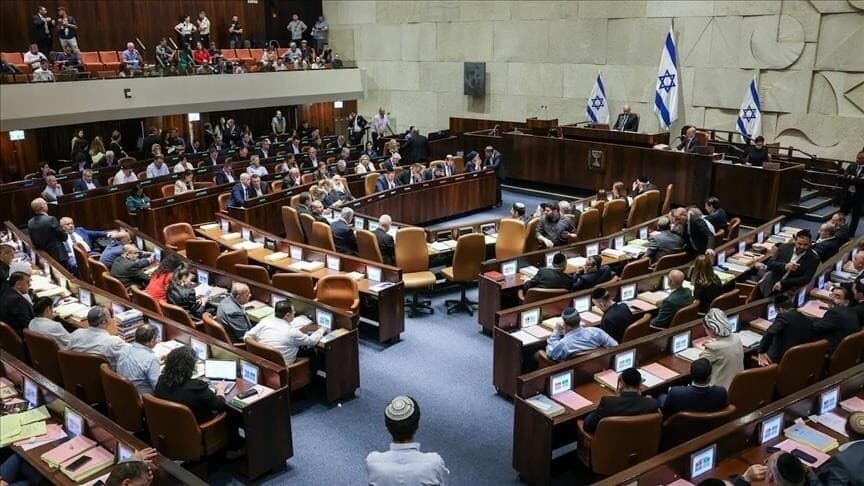
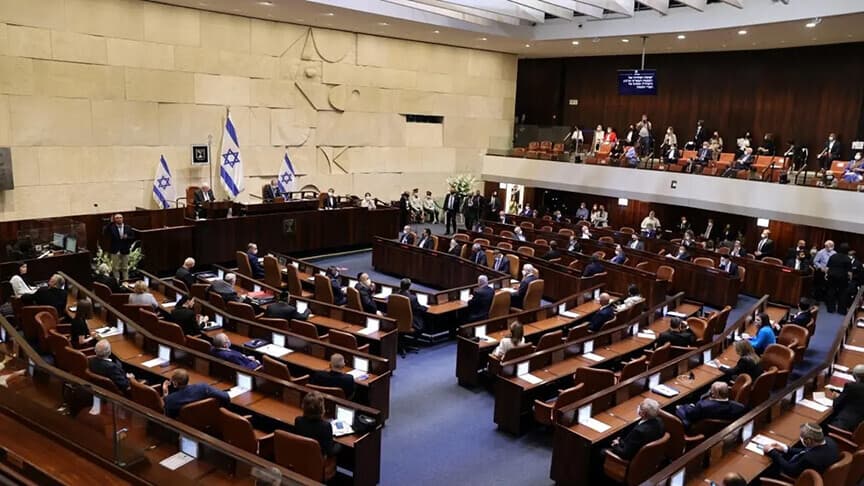
The Israeli parliament opened on Tuesday evening a session to elect a new Knesset speaker, who will replace Amir Ohana of the Likud party. The session is taking place amid continuing uncertainty over the formation of the next government. Matan Kahana, a member of Gadi Eisenkot's Yashar party, is named as the expected winner of the vote.
Balance of power in the vote
According to the newspaper Yedioth Ahronoth, Kahana is supported by 67 of the 120 Knesset members, including 19 Arab parliamentarians. His supporters include the Yashar, Together, Yisrael Beiteinu and Democrats parties, as well as the Joint List and the United Arab List. The bloc consisting of Likud, Otzma Yehudit, Religious Zionism, Shas and United Torah Judaism holds a total of 53 mandates. Earlier on Tuesday, Prime Minister Benjamin Netanyahu's Likud party nominated Knesset member Ofir Katz for the post of speaker. According to the newspaper, the debates before the vote could continue until late in the evening.
Context of government formation
The vote on the speaker is unfolding against the backdrop of the mandate issued by Israeli President Isaac Herzog to Gadi Eisenkot to form a government on November 8. Since that moment, Eisenkot has had 28 days, with a possible extension of another 14 days. The election of a speaker who supports Eisenkot's coalition would change the balance of power in the parliament's leadership: the post would be taken by a representative of the side forming the government instead of a representative of Likud.