The key facts
- CENTCOM chief Admiral Brad Cooper met in Israel with Chief of the General Staff Eyal Zamir
- According to KAN, Netanyahu and Katz are maintaining instructions to keep the army on standby for a possible strike on Iran
- The visit follows the trip of US Fifth Fleet commander Kurt Renshaw, which ended on Friday
CENTCOM chief's visit to Tel Aviv
Commander of the US Armed Forces Central Command (CENTCOM) Admiral Brad Cooper arrived in Israel on Tuesday, where he held a meeting with Chief of the General Staff Eyal Zamir and other senior military officials. This was reported by Israel's Channel 12, cited by the Anadolu agency. The outlet described the trip as part of Cooper's regular visits aimed at strengthening military-political coordination between the two countries, and suggested it could also serve to enhance coordination ahead of possible changes in the situation. The American general's arrival was also reported by the newspaper Yedioth Ahronoth.
Context: the Fifth Fleet commander's visit
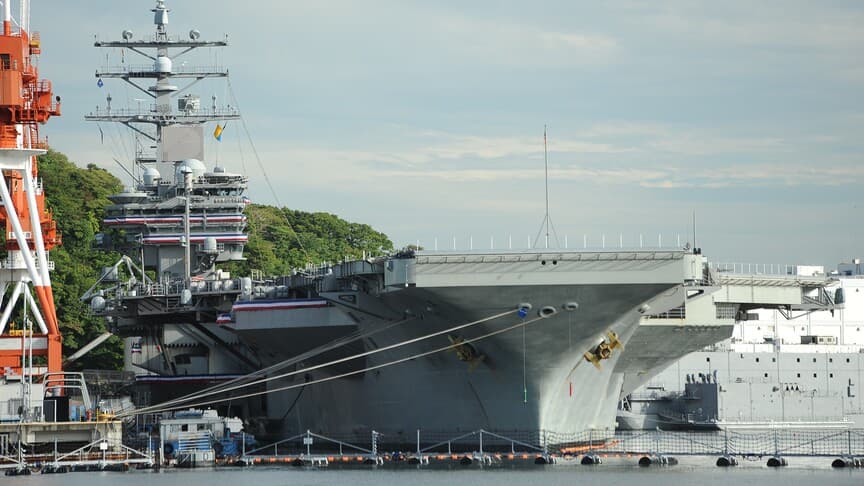
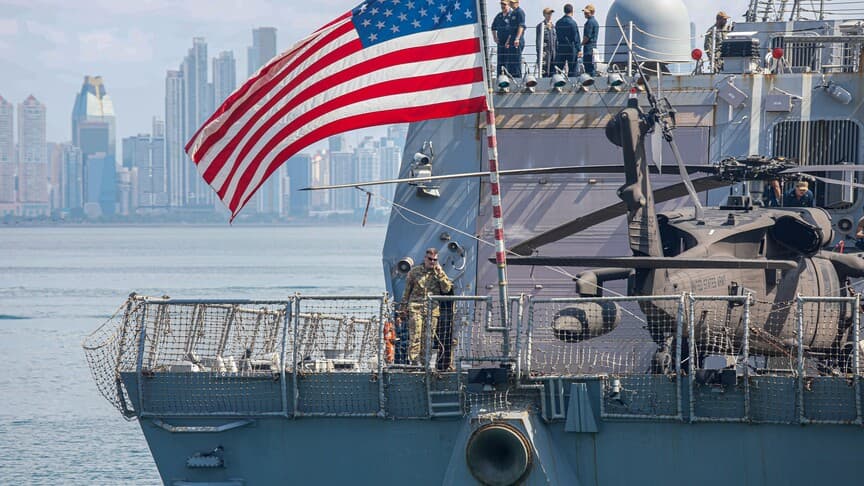
Cooper's trip took place shortly after the visit of US Fifth Fleet commander Kurt Renshaw, which ended on Friday. According to the Israeli military, Renshaw met with Israeli Navy commander Eyal Harel and other senior naval officers; the discussion concerned 'the fleet's activities during combat operations in various directions,' without specifying operations or locations. Both visits came at a time when Israeli media report that the US is preparing for a possible resumption of operations against Iran.
Army readiness and Zamir's position
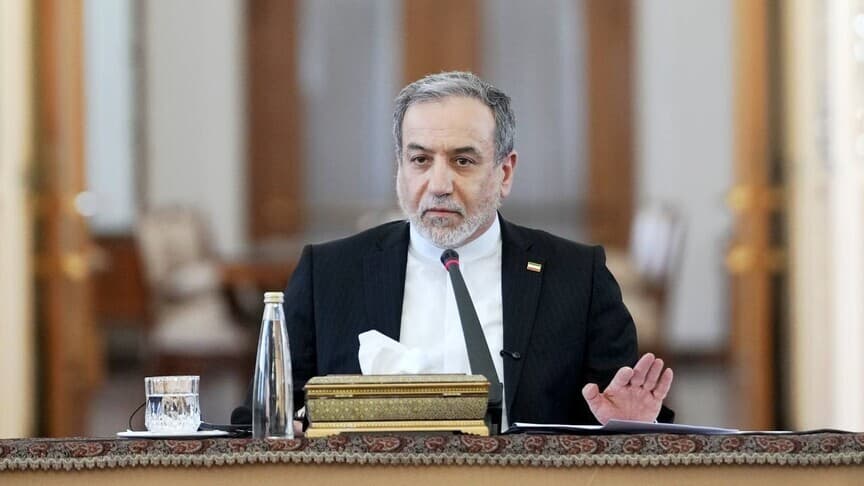
Israel's public broadcaster KAN, citing unnamed sources, reported on Tuesday that Prime Minister Benjamin Netanyahu and Defense Minister Israel Katz are maintaining instructions for the army to remain in a state of readiness for a possible strike on Iran. According to the same sources, Zamir does not object to an Israeli attack, but emphasizes the need to carefully choose the timing and coordinate actions with Washington. It is noted that the situation is unfolding against the backdrop of ongoing tensions after the war that began on February 28, the subsequent exchanges of strikes, and negotiations on freedom of navigation through the Strait of Hormuz that have reached a deadlock.