The key facts
- China is suspending 25% tariffs on frozen pork and a range of seafood from January 1, 2027 to December 31, 2028
- Canada keeps exemptions for Chinese steel and aluminum until the end of 2028 and adds exemptions for 32 more categories of goods
- The agreement complements measures announced earlier in November on canola, peas, lobsters and crabs
Agreement in Shenzhen
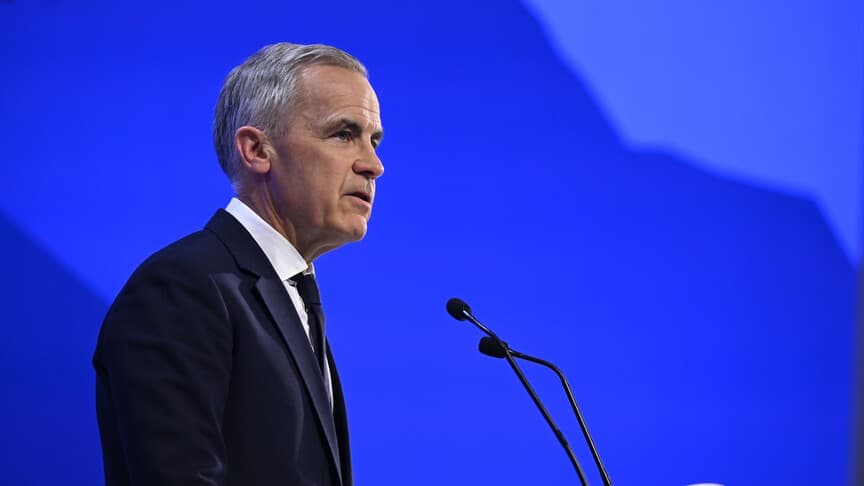
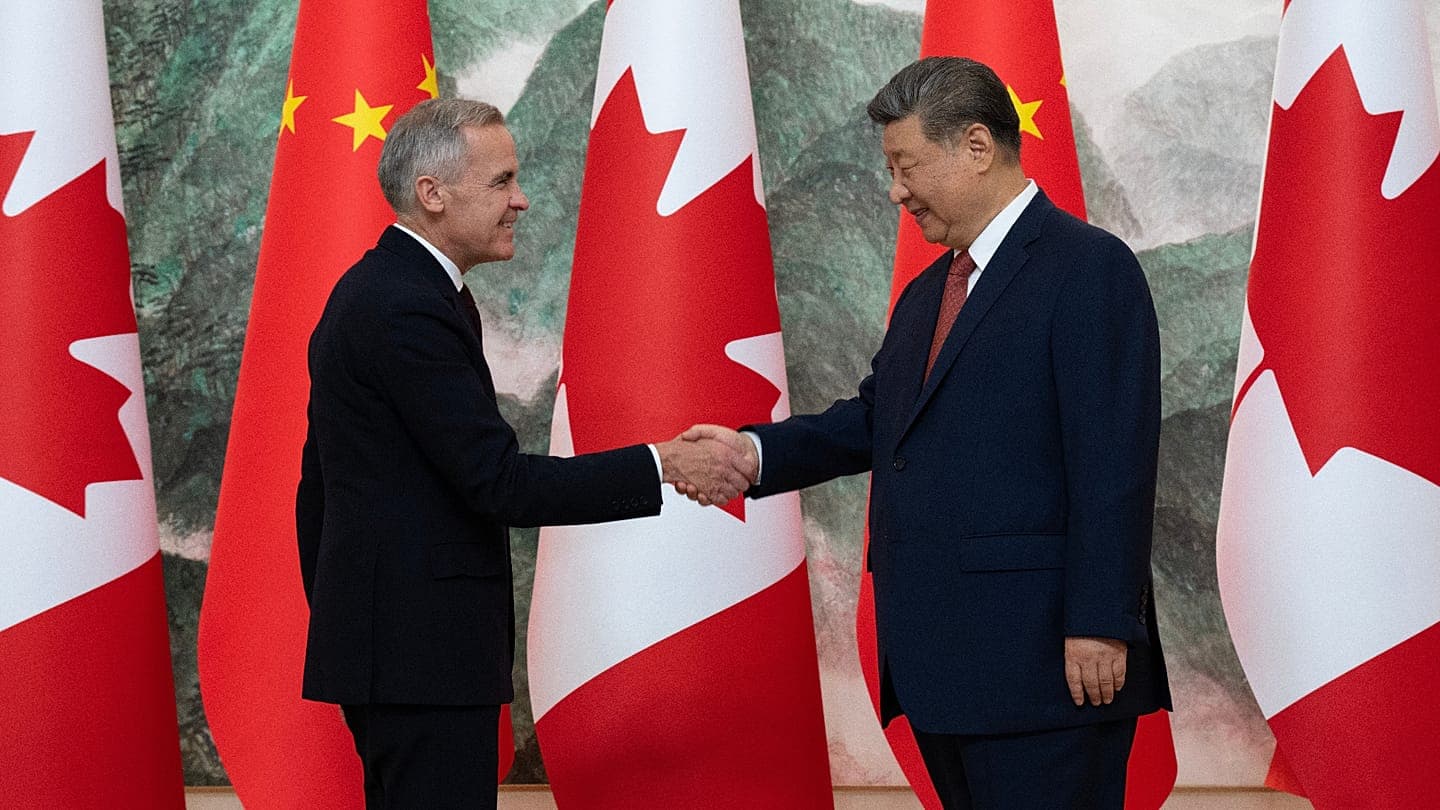
Canada and China have agreed on a new round of mutual tariff relief. As Euronews reports, the announcement followed talks between Canadian Prime Minister Mark Carney and PRC Chairman Xi Jinping in Shenzhen on Tuesday, on the eve of the APEC summit. Beijing will suspend additional 25% tariffs on most types of frozen pork and a range of seafood: the measure will run from January 1, 2027 to December 31, 2028, according to the Canadian prime minister's office. The exemptions cover, among other things, certain types of frozen cold-water shrimp, some mollusks, sea cucumbers and halibut (Greenland black halibut).
What Canada offers in return
For its part, Ottawa will keep the existing tariff exemptions for certain types of Chinese steel and aluminum until the end of 2028, and will also introduce full or partial exemptions for 32 more categories of goods for which Canadian supplies are insufficient or absent. According to figures cited by the Canadian side, the Chinese measures cover Canadian exports worth about CAD 400 million (EUR 254 million) as of 2024 — before the additional tariffs were introduced.
Building on the November agreements
The new agreement completes the package of measures announced earlier this month: then, China extended until 2028 the tariff relief on Canadian canola meal, peas, lobsters and crabs, while Canada announced an extension of its own exemptions on metals. Both countries began easing trade restrictions after the agreements reached during Carney's visit to Beijing in January: Ottawa then agreed to admit up to 49,000 Chinese electric vehicles annually at a reduced tariff of 6.1%, and Beijing agreed to lower tariffs on Canadian agricultural products, including canola. Carney also announced a Canadian trade mission to China in 2027 and a joint initiative to help small businesses sell through Chinese online platforms.
Context: diversification amid US tariffs
The push to expand trade with other countries is linked to the blow US tariffs have dealt to Canadian industries. Canadian Foreign Minister Anita Anand said on Wednesday that the country is gradually restoring relations with China, seeking to reduce its dependence on a single trading partner. In Shenzhen, Carney said Canadian exports to China had grown by more than a third this year, but stressed that a trade agreement with Washington remains the priority: