The key facts
- Carney in Shenzhen: China is 'not the main problem' in Trump's hierarchy of issues
- Earlier, Trump threatened a 100 percent tariff on Canadian goods and accused Carney of turning Canada into a 'transshipment hub' for Chinese exports
- Carney confirmed a meeting with Trump on Wednesday to discuss an agreement in Canada's interests
Statement in Shenzhen
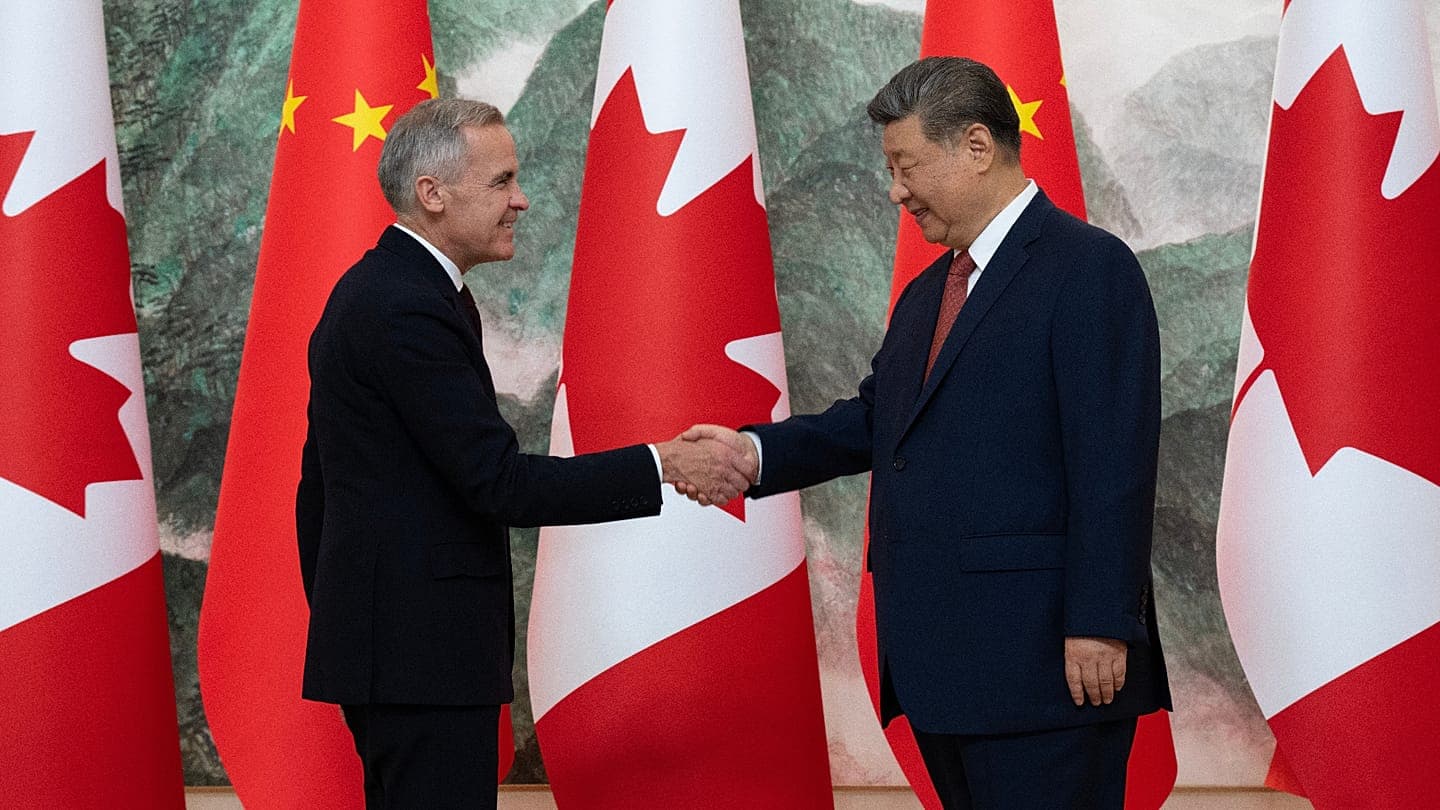
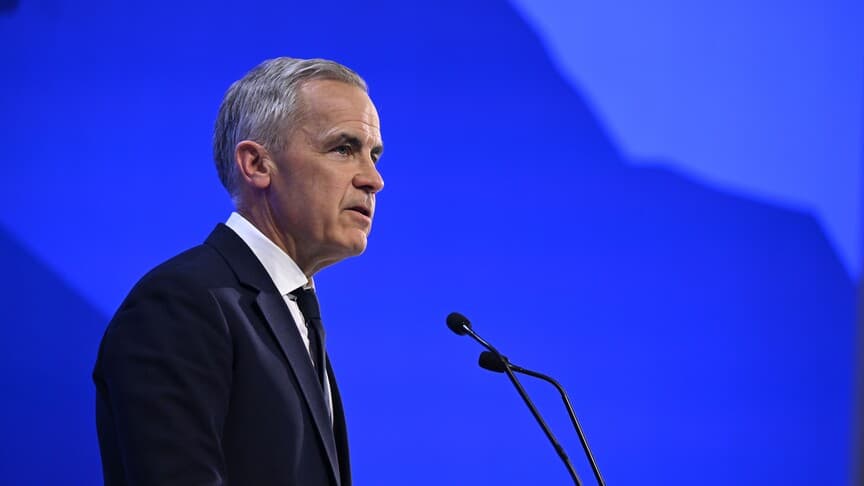
Canadian Prime Minister Mark Carney said at a press conference in Shenzhen, China, on Wednesday that Ottawa's relations with Beijing are not among US President Donald Trump's main concerns, despite the ongoing trade tensions between the neighboring allies. 'In my conversation with the president, he was trying to understand where we stand with China and where we are heading with China,' Carney said. 'But in his hierarchy of issues, it is not at all the main problem.' This was reported by the Anadolu agency.
Context: tariff threats and trade structure
Carney's remarks came against the backdrop of harsh warnings from Washington following his January visit to Beijing to develop economic cooperation. Trump then threatened to immediately impose a 100 percent tariff on all Canadian goods and accused Carney on his Truth Social network of trying to turn Canada into a 'transshipment hub' for Chinese exports.
Ottawa's arguments and negotiations with the US
Responding to the criticism, Carney emphasized that Canadian exports to China are raw commodities: canola, halibut, liquefied natural gas, oil and iron ore. 'These are not advanced semiconductors. This is not the type of trade relationship the United States has with China,' he noted. According to him, Ottawa maintains strict 'guardrails' protecting critical minerals and assets important for national security from foreign control, while remaining open to Chinese investment in agriculture, clean energy and financial services.
Comparing negotiations with Beijing and Washington
Carney also voiced support for Trump's efforts to stabilize US-China relations and to pursue denuclearization at the upcoming trilateral summit with Chinese President Xi Jinping and Russian President Vladimir Putin. Asked why Ottawa managed this year to conclude two agreements on tariff reductions with China but failed to finalize a deal with Washington, the prime minister described the American negotiations as a process of 'two steps forward, one step back,' citing the shifting US trade goals. He confirmed that he will meet with Trump on Wednesday to discuss an agreement that serves Canada's interests.