The key facts
- Carney said access to the Chinese market has been restored for more than 90% of affected Canadian trade
- Over the past year, Ottawa signed more than 50 critical minerals agreements with more than 15 countries, worth CAD 20 billion in investment
- He pledged to quadruple LNG exports to Asia by the end of the decade
Speech in Shenzhen
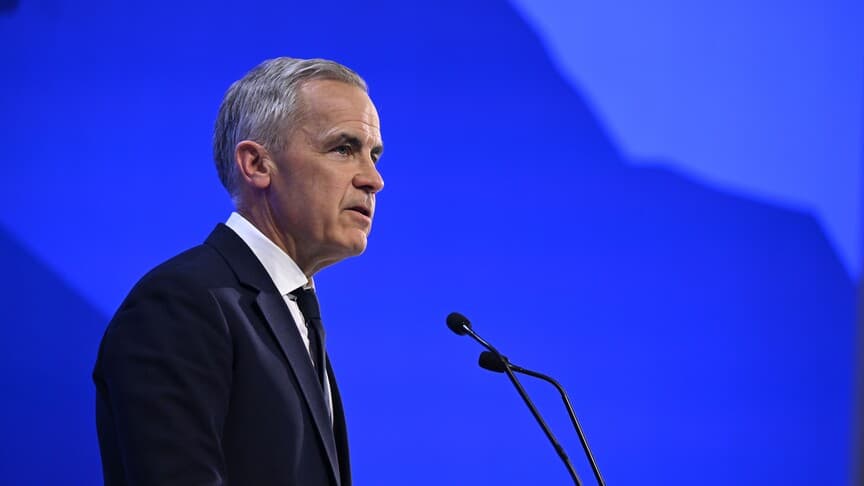
On November 18, Canadian Prime Minister Mark Carney spoke at the APEC CEO Summit in Shenzhen, presenting Canada as a 'Pacific power' and a hub for energy and critical minerals. According to him, the country is striving for 'greater sovereignty' and 'collective resilience' through diversifying trade toward the Asia-Pacific region. 'We are turning global uncertainty into national opportunity. In a more dangerous and divided world, Canada chooses the path toward a stronger, more prosperous, and more resilient future,' Carney told business leaders.
Reconfiguring Relations with China
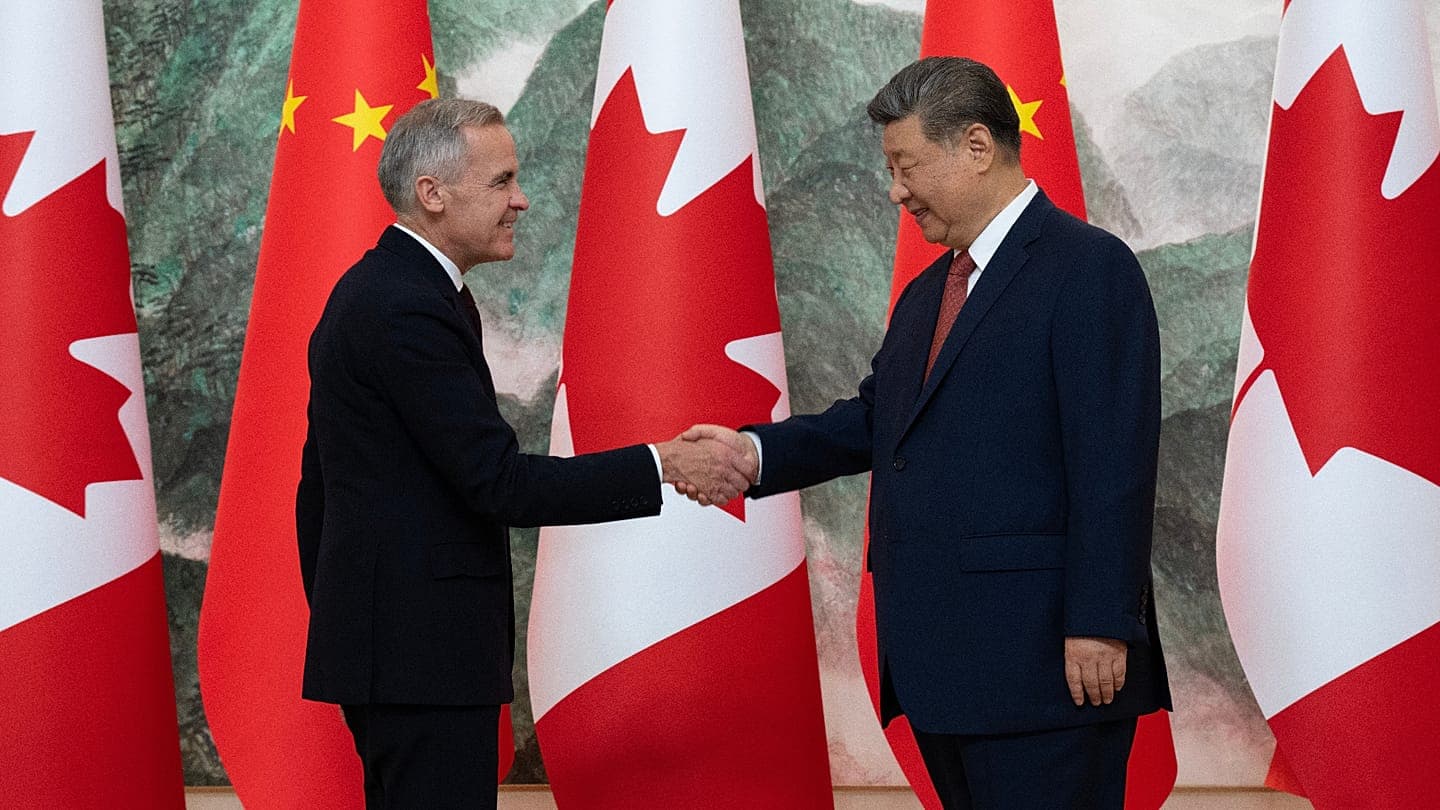
The central element of the speech was a diplomatic reconfiguration of relations with Beijing — Canada's second-largest trading partner. Carney said Ottawa and China recently extended tariff exemptions, restoring market access for more than 90% of affected Canadian trade, and also renewed a currency swap between the central banks so as not to depend on 'too few currencies or a single payment channel.'
Minerals, LNG, and Investment
Carney listed specific plans: over the past year, Ottawa signed more than 50 critical minerals agreements with more than 15 countries, which, he said, unlocks CAD 20 billion (about USD 14 billion) in investment. He pledged to quadruple exports of liquefied natural gas to Asia by the end of the decade — building on more than 11 million tonnes shipped since last June — as well as to advance the Pacific Link oil pipeline and secure CAD 1 trillion (about USD 698.4 billion) in domestic investment over five years. Tariff-free access, he said, is planned to be doubled to 1.5 billion people within several months: free trade negotiations with Southeast Asian partners have been completed, and talks with Thailand and India are ongoing.
Context and Limitations
The figures and plans cited are statements by Carney himself at a business summit, not independently verified results: the timeline for doubling tariff access, the implementation of the pipeline, and the investment volumes remain stated intentions. Sources do not report how exactly Canada's trade policy in the region will be structured.