The key facts
- In June 2026, 970 ships a day were jammed in the Strait of Hormuz; 98% of all GPS jamming incidents recorded worldwide occur in the Gulf
- The MCA urged shipowners to ensure navigation without GPS; crews are retraining in chart work and Morse code signalling
- In one month there were 17 attacks on ships in the strait, including a fire aboard the tanker Tara Gas; the October peak was 29 affected ships
Hundreds of ships a day without GPS
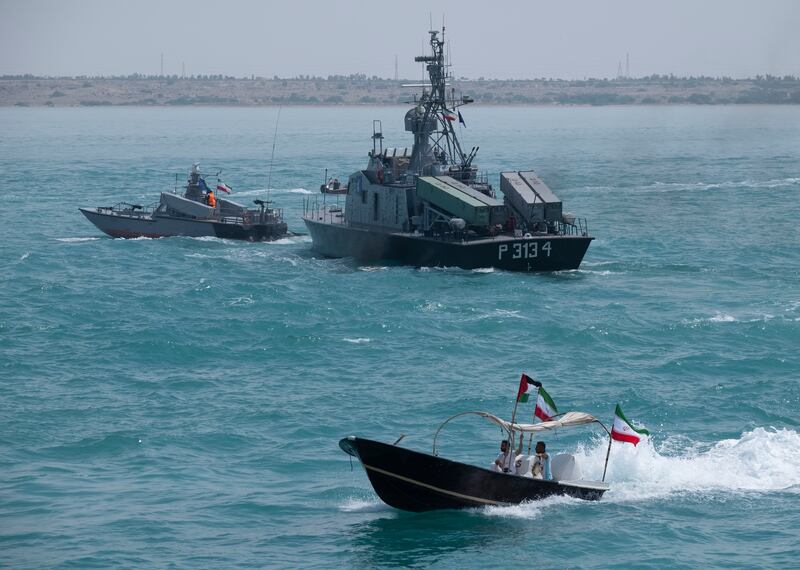
International shipping companies have begun retraining captains in basic navigation methods because Iran interferes with hundreds of ships daily in the Strait of Hormuz. This became known at hearings in the UK Parliament devoted to the resilience of satellite systems. Lee Willcox-Jones, an expert at Satellite Applications Catapult, reported that in June 2026 jamming in the strait affected 970 ships a day, and expressed concern about the ability to operate under jamming and spoofing conditions — including in the Baltic region.
What is happening in the strait
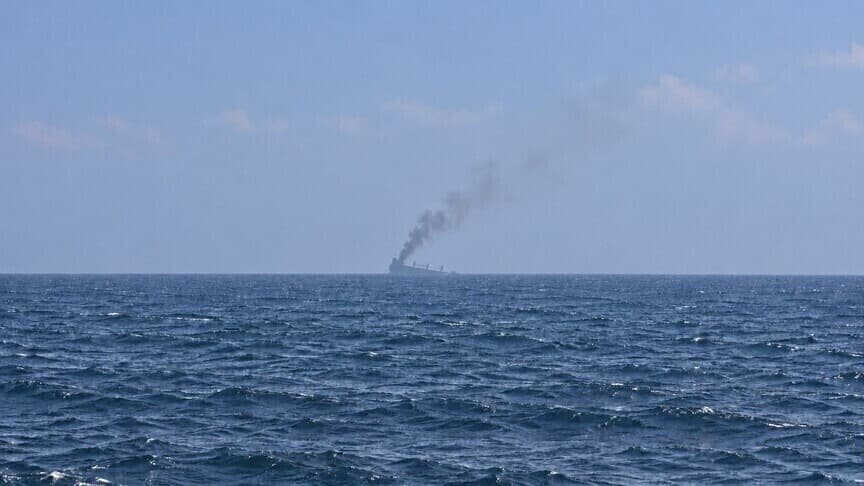
The rise in jamming and 'spoofing' particularly affects tankers and container ships in the Persian Gulf. According to figures cited at the hearings, 98% of all GPS jamming incidents recorded worldwide occur in the Gulf, and on some days several hundred ships are subjected to interference at once. Iran is considered the main initiator of this electronic warfare campaign. In the current month alone, 17 attacks on ships transiting the strait have been recorded, including a fire aboard the tanker Tara Gas; the peak was reached in October, with 29 affected ships. Spoofing is considered more dangerous than jamming: signal substitution makes ship receivers display a false position, which can lead to a collision or grounding.
Return to compass and sextant
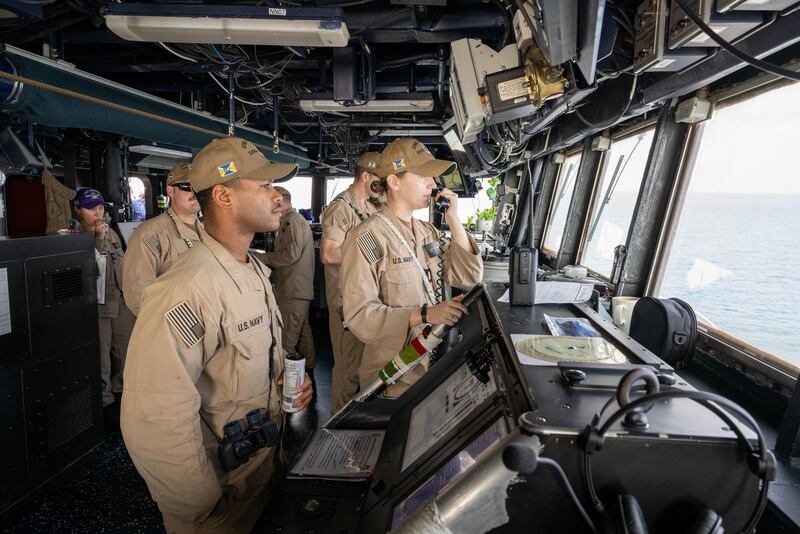
All ships depend heavily on the satellite-based 'positioning, navigation and timing' (PNT) system, and this dependence makes them vulnerable: jamming could potentially force a ship aground. Willcox-Jones called PNT 'a key area of concern', noting that the scale of dependence on satellites 'is not necessarily well understood'. In response, the UK's Maritime and Coastguard Agency (MCA) recommended that shipping companies and port authorities understand how to operate without GPS. Crews will need to refresh their chart-work skills, and also take account of the impact of interference on communications. According to available information, more attention is now also being paid to training sailors in light signalling using Morse code.
A lesson for the military
The hearings concerned not only the fleet: experts were asked what threat the loss of satellite services poses to defence and the economy. According to the estimate cited, the loss of PNT would cost the UK alone £1.4 billion ($1.84 billion) per day. Major General Paul Tedman, former head of UK Space Command, said the army must also be able to operate without satellites: 'We will always be ready to fight without space.' Asked whether this would be effective in preparing soldiers to work with a compass and maps, he replied: 'No, that's the simple answer,' explaining that about 3,000 systems in an army brigade depend on space systems — probably including communications, missile guidance, logistics and navigation. In his words, the military's effectiveness 'depends heavily on space in a way that may not be fully understood'.