The key facts
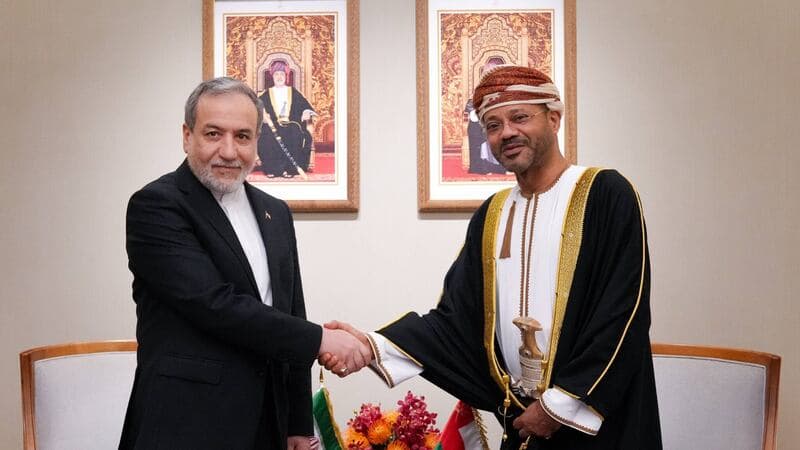
- Iranian Foreign Minister Abbas Araghchi held talks with Omani Foreign Minister Badr Al Busaidi in Muscat
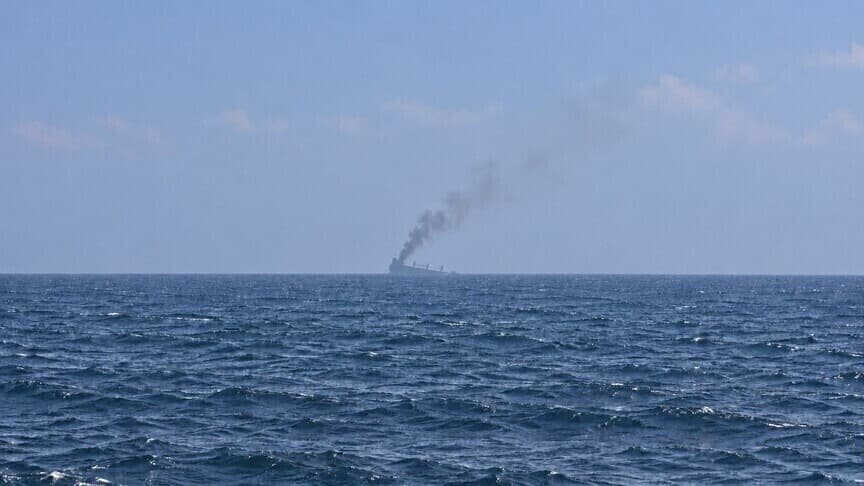
- UKMTO reported an attack on a tanker off the coast of Oman: the vessel is disabled, there is a fire in the engine room, and the crew has not made contact
- Bahrain said it intercepted Iranian attacks; the IRGC called the strikes a response to violations of Iranian airspace by American drones
Talks in Muscat
Iranian Foreign Minister Abbas Araghchi met on Tuesday with his Omani counterpart Badr Al Busaidi in Muscat. According to the Omani foreign ministry, the sides discussed regional tensions, security at sea, and ways to resume diplomatic channels. The ministers spoke about restoring dialogue and negotiations to prevent further escalation, and also emphasized the importance of protecting maritime routes and uninterrupted international shipping. Oman, which together with Iran controls the southern coast of the strait, has previously played a mediating role and had already discussed with Tehran measures to restore the passage of vessels.
Attacks in the strait
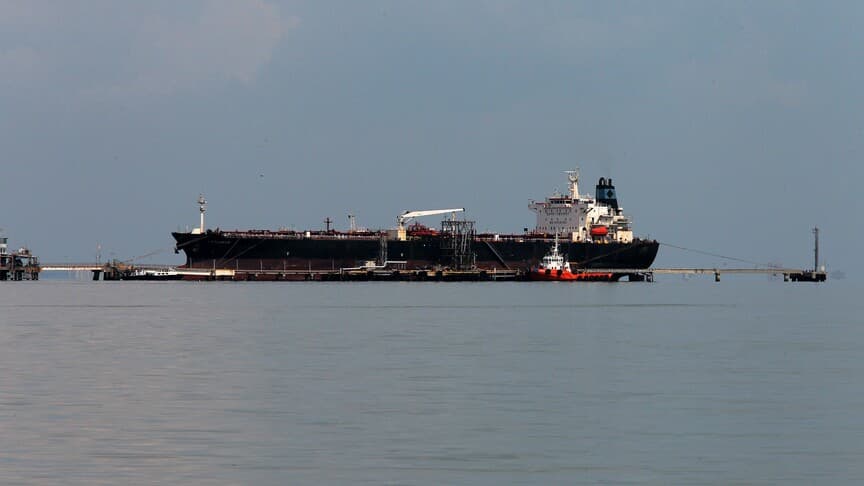
The meeting took place against the backdrop of disrupted shipping in the Strait of Hormuz, through which about a fifth of the world's energy supplies passed before the conflict began. The conflict started after strikes by the US and Israel on Iran on February 28; Washington maintains a naval blockade of Iran, while Tehran continues to obstruct shipping. Overnight, a tanker traveling off the coast of Oman was attacked in the strait: according to the UK Maritime Trade Operations agency, a third party reported that the vessel was disabled and a fire had broken out in the engine room; the crew had not made contact, and the extent of the damage and environmental consequences is unknown. The statement did not name the vessel, the attacker, or the weapon used. The Islamic Revolutionary Guard Corps (IRGC), for its part, stated that a supertanker carrying more than two million barrels of oil and a gas carrier had struck sea mines in the strait, causing explosions and fires.
Strikes on Bahrain and mutual threats
Bahrain, which hosts the US Fifth Fleet, reported that it intercepted Iranian attacks. The IRGC said it attacked an American radar system at the Sheikh Isa base using drones, calling this a response to what it described as continued violations of Iranian airspace by American military drones. Earlier on Sunday, Bahrain had warned of an unspecified threat and urged citizens and residents to shelter in the nearest safe places; Tehran had then announced the launch of six drones at an air defense radar at the Al-Riffa helicopter base. US Secretary of State Marco Rubio, in a conversation with Bahraini Foreign Minister Abdullatif Al Zayani, condemned the attacks and reaffirmed US commitments to Bahrain's security. Speaker of the Iranian Parliament and lead negotiator with the US Mohammad Bagher Ghalibaf stated that any dam, port, or power plant near an American or Israeli base is considered 'dual-use' — a response to a New York Times report citing analysts that many of Iran's water facilities may have been created to support military construction. Separately, CNN, citing seven American officials, reported that Iran is developing plans for a possible attack using a 'dirty bomb' or chemical weapons in Washington against senior members of Donald Trump's administration.
Context of the talks
Araghchi's visit to Muscat took place after his participation in the 30th meeting of the Council of Ministers of Economic Cooperation in Islamabad, where regional connectivity, trade, and economic integration were discussed; there he also met with Pakistani Foreign Minister Ishaq Dar and army chief of staff, Field Marshal Asim Munir. Dar said that Pakistan is awaiting a US response to Iran's latest proposals to end the nine-month regional war: according to him, the American response is delayed, but 'we have not lost hope and are not ceasing our efforts.' Talks between Washington and Tehran remain deadlocked, and the attacks continue.