The key facts
- Five EU countries (Austria, Germany, Denmark, the Netherlands, Greece) agreed with Rwanda on the first 'return hub' outside the bloc, designed for about 100 people at a time.
- Deportations are expected from 2027; the final deal is still being negotiated and may face lawsuits in European courts.
- The plan was condemned by many MEPs and 45 NGOs; Rwanda rejects the criticism, pointing to more than 140,000 refugees taken in.
Agreement in Vienna: the first 'return hub' outside the EU
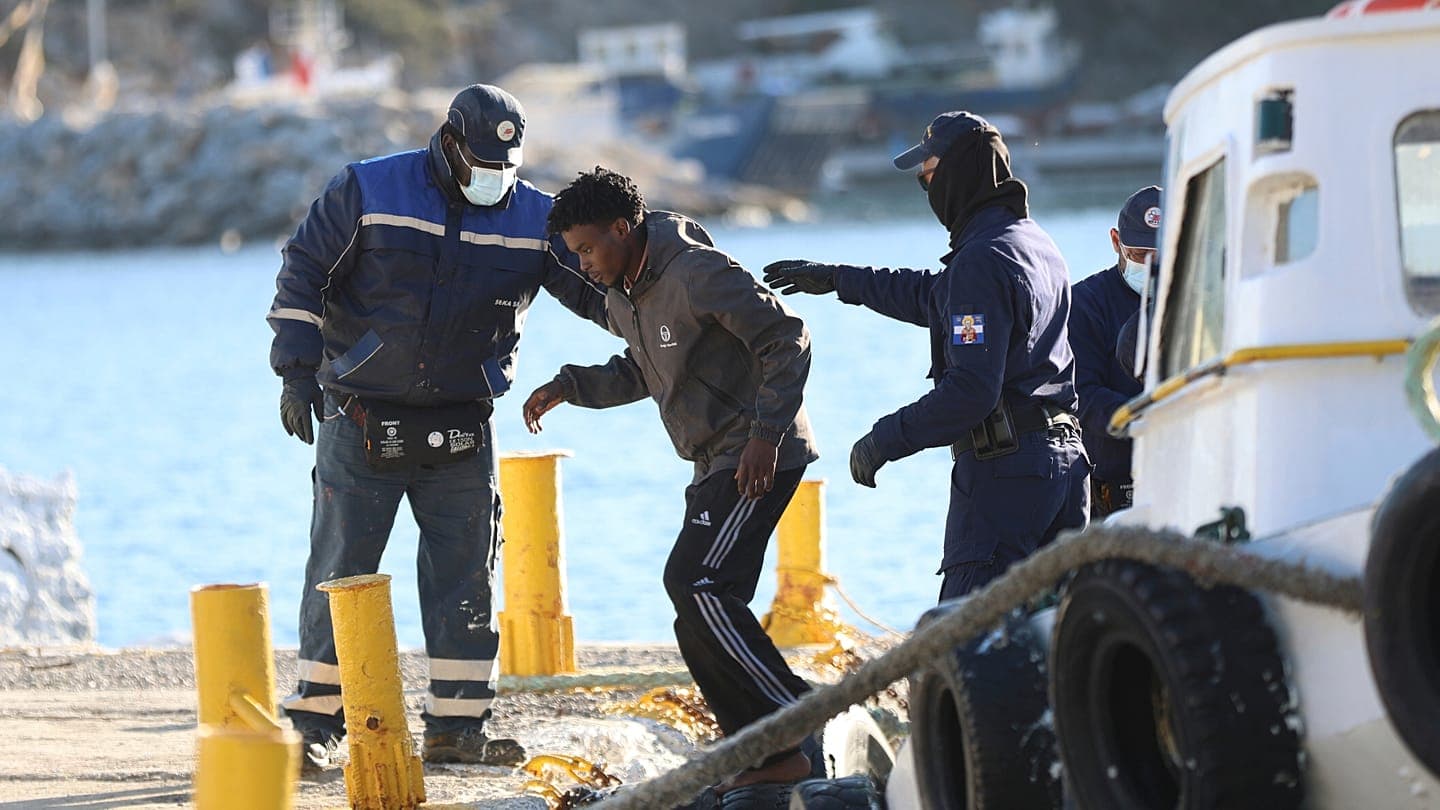
Austria, Germany, Denmark, the Netherlands and Greece have concluded a political agreement with Rwanda to create the first migrant return centre outside the European Union. The arrangement was formalised in Vienna on Monday. Under the plan, the facility will be able to host about 100 people at a time: migrants moved there will be granted freedom of movement within the country and tasked with integrating into Rwandan society and the local labour market.
What remains unresolved and the risks cited by critics
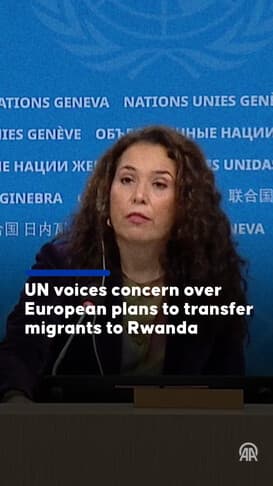
The final deal is still at the negotiation stage, and the deportations themselves from the five participating countries are not expected before 2027. The plan may also face lawsuits in European courts. Criticism has already been voiced within the European Parliament: many MEPs condemned the political agreement, pointing to the risk of violations in Rwanda and to the prospect of migrants ending up in a country with which they have no ties whatsoever. 'It is particularly alarming that people's fates are being entrusted to a country burdened with documented allegations of serious violations of fundamental rights,' said Italian MEP Marco Tarquinio of the Socialists and Democrats group. Swedish MEP Abir Al-Sahlani (Renew Europe) questioned the very logic of the scheme: 'If we in Europe failed to send them back to their own countries, what makes us believe Rwanda can?' Spanish Prime Minister Pedro Sánchez addressed the initiative in an interview without naming the countries directly: 'I see neither a future nor humanity in this.' Forty-five non-governmental organisations also spoke out in condemnation, calling the partnership a 'cruel measure' in a joint statement, one that drives migrants into even greater insecurity.
Precedents and Kigali's response
The critics' doubts rest on the history of Rwanda's similar arrangements. In 2018, Kigali backed out of an agreement with Israel on taking in forcibly deported refugees; the deal with the United Kingdom on transferring asylum seekers was ruled unlawful by the UK Supreme Court, in part because of the human rights situation in Rwanda. In 2025, Kigali agreed to accept 250 migrants from the United States under an arrangement with the Donald Trump administration, but to date has relocated only a few of them. According to an Amnesty International report, in all these cases Rwanda failed to demonstrate that it could guarantee fair procedures and adequate protection for people transferred from another jurisdiction. The Rwandan side rejects these claims. Interior Minister Vincent Biruta, answering a Euronews question at a conference, said: 'Human rights in Rwanda are respected for everyone, and in particular for the migrants who choose our country.' He called Rwanda's integration policy 'one of the most progressive' because it allows refugees to work, and noted that the country hosts more than 140,000 refugees and asylum seekers and, since 2017, has maintained a transit centre for people evacuated from Libya. 'What other country has offered a solution for these refugees? Only us,' Biruta said.
Context: the European Parliament has already taken a hard line on Kigali
The European institutions' attitude towards Rwanda is further complicated by another conflict: the European Parliament previously called for suspending the EU–Rwanda memorandum of understanding on critical raw materials — over alleged war crimes and the occupation of territories in the east of the Democratic Republic of the Congo by the Rwandan armed forces. Thus, the new migration agreement emerges against the backdrop of existing tension between Brussels and Kigali, and its fate will depend both on the conclusion of the negotiations and on possible judicial reviews in Europe.