The key facts
- Austria, Denmark, Germany, Greece and the Netherlands are jointly working with Rwanda on a migrant return centre; the first transfers are planned to begin by 2027
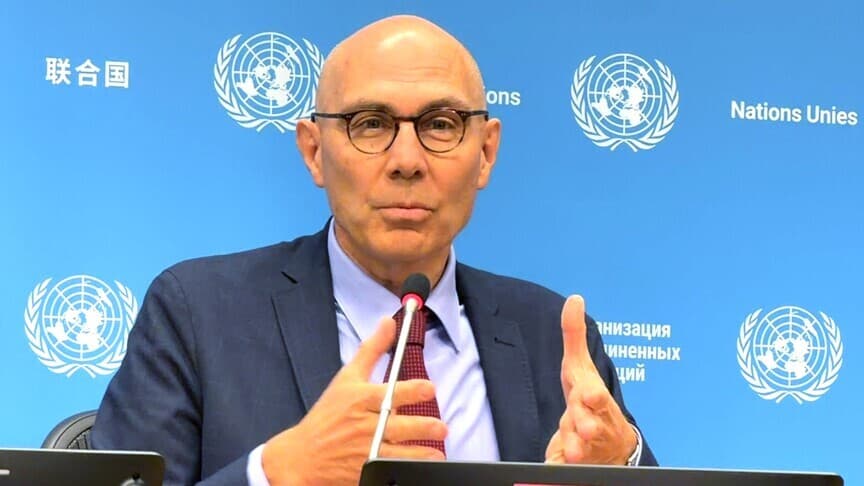
- UN High Commissioner for Human Rights Volker Türk is 'concerned about risks to human rights'; his office has not yet seen the text of the proposal and is preparing a detailed response
- IOM rules out participation in forced deportations and detentions; UNHCR has agreed to provide guidance on compliance with standards
Five European countries announce plan for a 'return hub' in Rwanda
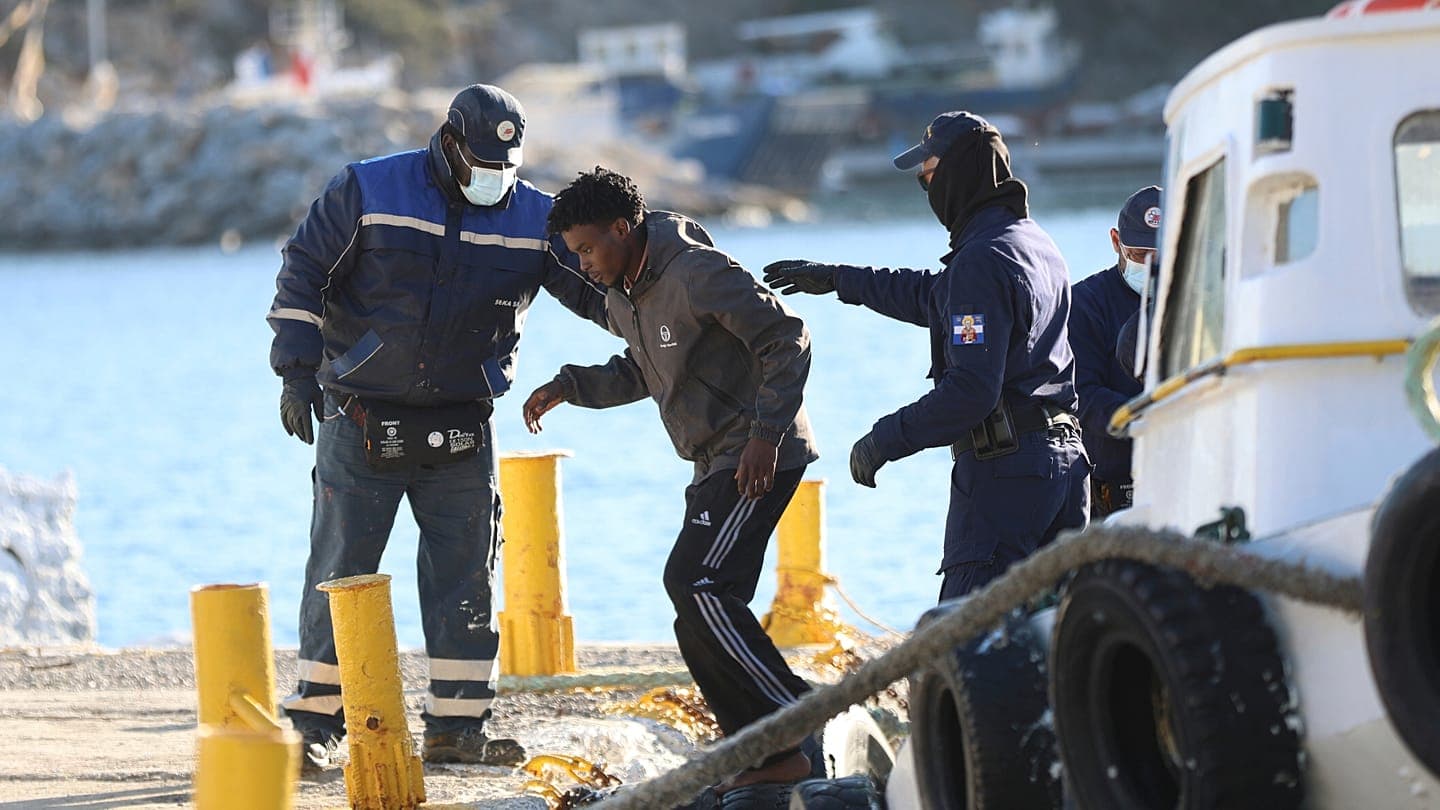
Austria, Denmark, Germany, Greece and the Netherlands announced that they are jointly working with Rwanda on an arrangement for a 'return hub' and expect to reach an agreement and begin the first transfers by 2027. According to a joint statement by the governments, the hub is intended for migrants who have no legal basis to remain in these five countries and against whom enforceable return or deportation decisions have been issued. The governments claim the scheme will comply with EU law, Rwandan and international law, including international human rights law.
UN: concern and promise of a detailed response
UN High Commissioner for Human Rights Volker Türk is 'concerned about risks to human rights' associated with the proposed transfer of people from five European countries to Rwanda, where they have no genuine connection and where, according to spokesperson Marta Hurtado, there is 'its own set of human rights problems'. She noted that the office has not yet seen the text of the proposal and promised a more detailed response in the near future, including on monitoring of safeguards and accountability mechanisms.
Conditions of international organisations and the context of the UK scheme
The International Organization for Migration (IOM) said that, at Rwanda's request, it could provide operational support subject to compliance with its mandate and international standards, but will not participate in forced deportations, detention, law enforcement or security functions; assistance would begin only after migrants' arrival. UN High Commissioner for Refugees Barham Salih, who took part in the Vienna meeting, emphasised the need for fair asylum procedures and humane returns; the agency said it had agreed to provide guidance to ensure compliance with these standards.
How the new scheme differs from the UK one and which questions remain open
Rwanda previously agreed to accept asylum seekers under the UK government's scheme, but the UK Supreme Court in November 2023 ruled the agreement unlawful: judges found there were substantial grounds to believe there was a 'real risk of refoulement' due to deficiencies in Rwanda's asylum procedures. The European proposal differs from the British one, which envisaged sending asylum seekers abroad for their claims to be processed, but, as noted, governments will still have to assess the safety of transfers and protection after arrival. Questions remain open regarding access to legal remedies, independent monitoring, and which bodies will be responsible for possible human rights violations after migrants arrive in Rwanda. Under the proposed model, migrants will have the opportunity to integrate into Rwandan society or voluntarily leave for their country of origin or another country where they could legally reside.