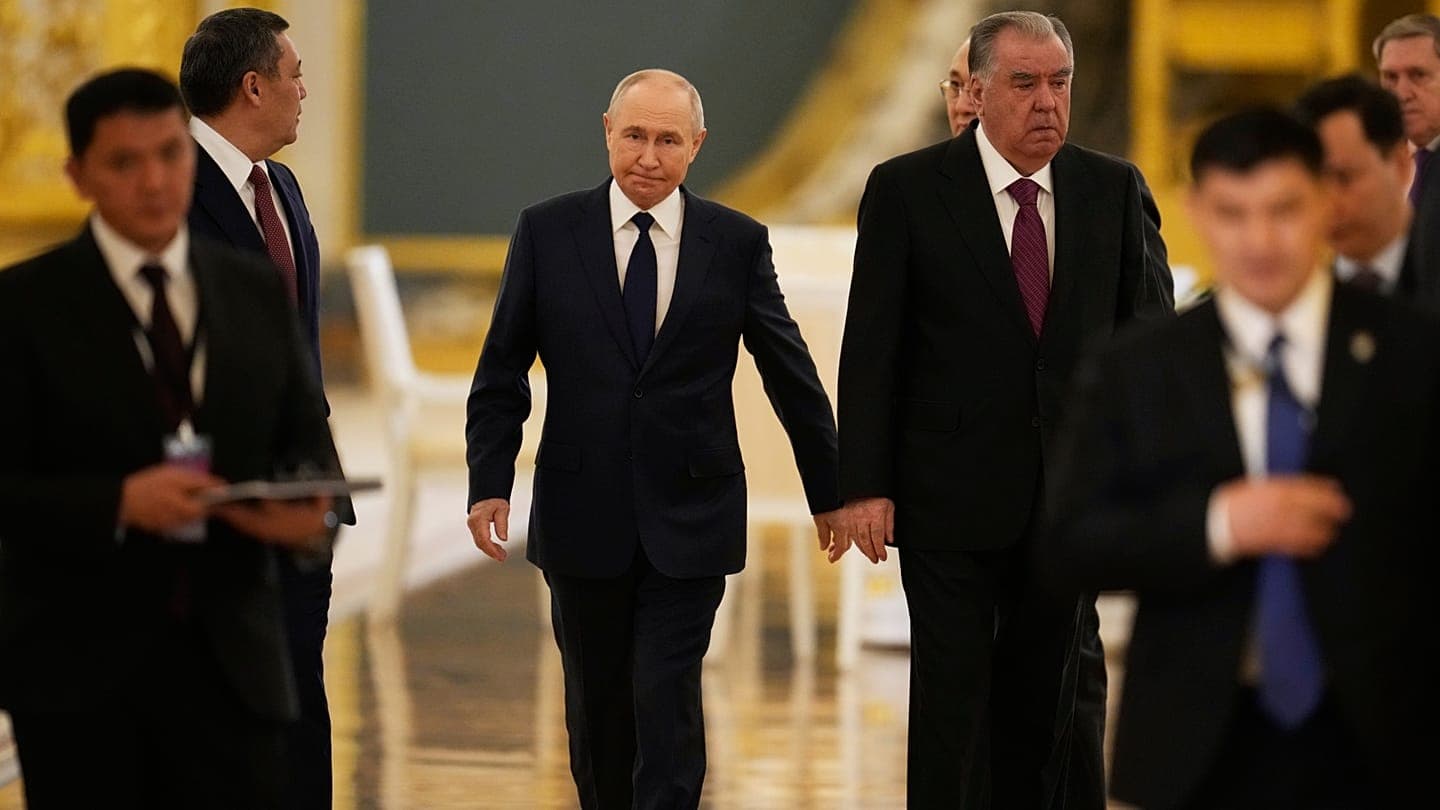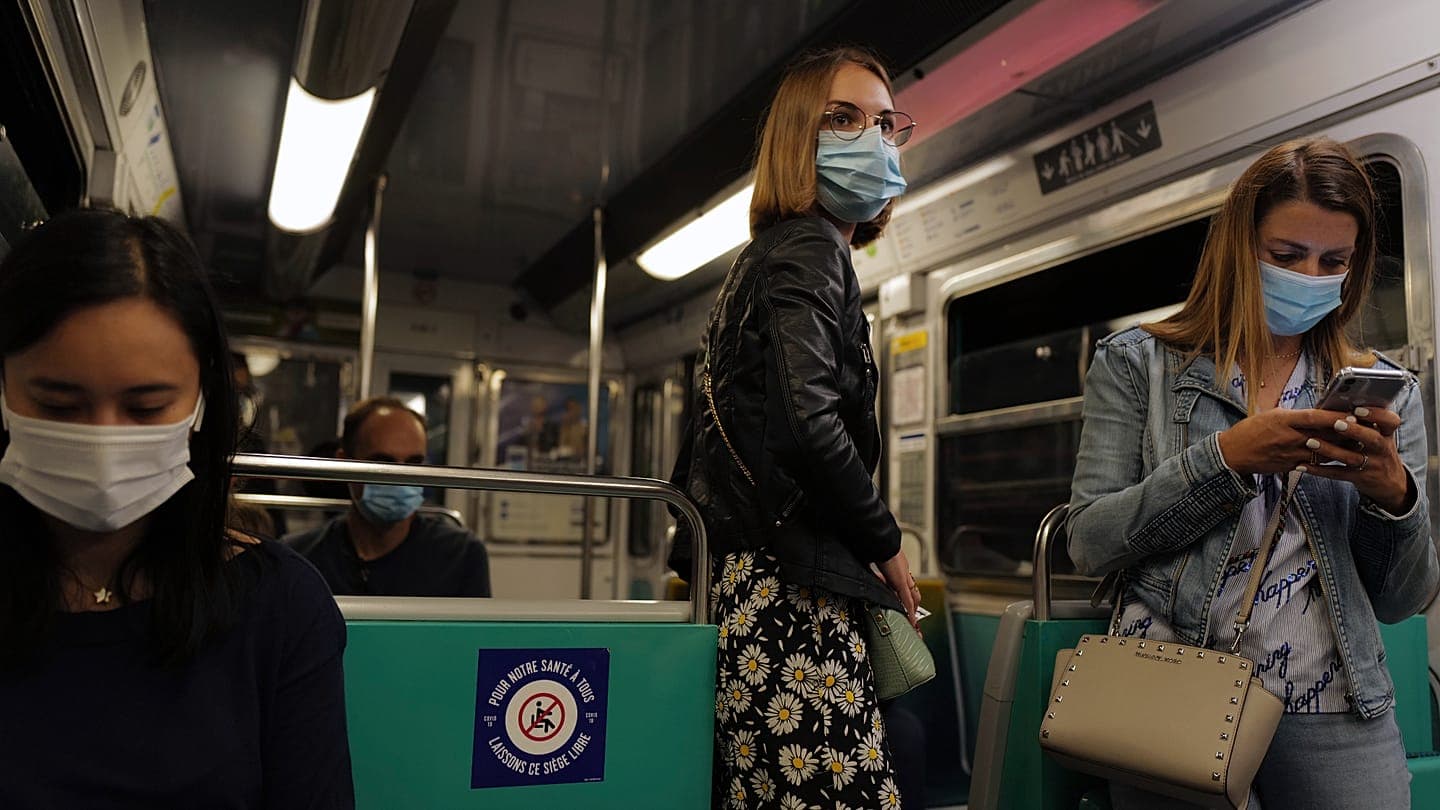
The key facts
- On 3 November the EU presented crisis preparedness recommendations: households should hold out without external help for at least 72 hours
- The recommendations are not mandatory; Finland, Sweden and the Baltic states already have developed systems, while Belgium and France lag behind
- The impetus was cyberattacks, false bomb threats at airports and sabotage against infrastructure in 2026
What the European Commission recommends
European Commissioner for Preparedness, Crisis Management and Equality Hadja Lahbib on 3 November presented new EU recommendations on emergency preparedness. Their goal is to make crisis readiness part of everyday life: households should be able to independently meet their basic needs for at least the first 72 hours, while emergency services are overloaded. The document covers stockpiles of food, water and cash, practical skills such as cooking without electricity and first aid, family evacuation plans with documents and medicines, as well as teaching safety basics in preschool and primary education and risk communication with the population.
Why exactly 72 hours
According to Ieva Birka, a leading researcher at the University of Latvia, 72 hours is roughly the time authorities need to assess the damage, mobilise and reach those who cannot help themselves. This benchmark is taken from the report 'Better Together' (2024) by former President of Finland Sauli Niinistö. Birka stressed that self-reliance does not replace professional help, and the timeframe should be seen as a minimum rather than a ceiling: during a prolonged power outage, a hybrid campaign or a war, 'the fourth day may look like the first'. Armed attacks and cyberattacks require the longest preparation, whereas in natural disasters in Europe help usually comes from neighbouring unaffected areas.
Context: the wave of incidents in 2026
The recommendations gained relevance against the backdrop of a series of hybrid incidents. At the end of October, hackers remotely hacked internet-connected refrigerators in supermarkets in seven EU countries — Belgium, Luxembourg, the Netherlands, Sweden, Finland, Estonia and Ireland — switching them into defrost mode and ruining tons of food. Earlier in October, a similar attack affected about 700 supermarkets in France; French authorities attributed it to hackers from Iran's IRGC. From 3 November, a week of anonymous false bomb threats affected at least 20 European airports, more than 35 flights and broadcasters in six countries — all the threats turned out to be false, but led to forced landings and evacuations. During 2026, EU authorities also reported suspicions of sabotage and drone incursions near critical infrastructure, including the discovery of a drone with explosives at Leipzig/Halle airport in August.
Different levels of national preparedness
The EU recommendations are not mandatory, and their implementation depends on national governments. 'The EU cannot guarantee that citizens are equally prepared. This is the responsibility of each member state,' Lahbib said. Finland, Sweden, Denmark, Estonia, Latvia and Lithuania already have developed systems: the Finnish programme '72 tuntia' inspired the pan-European one, Sweden sends brochures to every household, Estonia advises preparing for a week without help. Germany recommends stockpiles for 10 days, while Poland, the Czech Republic and Romania have introduced 72-hour programmes. According to the Centre for European Policy Studies (CEPS), population preparedness is lower in Belgium, France and other western and southern countries. The unevenness creates cross-border risks: panic buying in unprepared countries could spread across the single market, and the overload of services could require the shared rescEU reserves.