The key facts
- The EU is preparing its 22nd sanctions package since February 2022: targets include banks, cryptocurrency channels for payment evasion and the 'shadow fleet'
- The formal presentation of the package is expected by the end of November, with negotiations to conclude in December
- On Wednesday, the European Commission will present a proposal for a €45 billion loan to cover Ukraine's budget deficit in 2027
New sanctions package: what is known
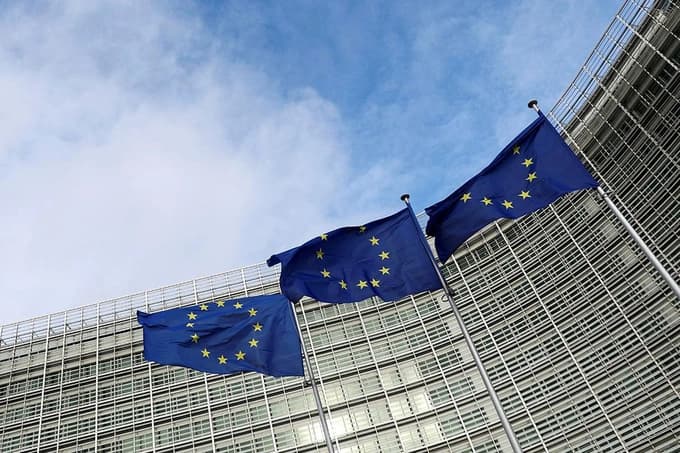
The European Union is preparing a new round of economic sanctions against Russia amid intensified strikes on Ukraine's energy infrastructure. According to Euronews, the European Commission on Tuesday began consultations with member states — a procedure known as 'confessionals', which is designed to probe positions in advance and avoid surprises. The package is expected to be the 22nd since February 2022 and to be formally presented by the end of November.
Targets and fighting sanctions evasion
The sanctions are expected to target Russia's banking sector, the cryptocurrency channels it uses to bypass major payment systems, and its ageing 'shadow fleet' employed to circumvent the oil price cap. Countering sanctions evasion will feature prominently in the proposal: for this purpose, the European Commission has set up a dedicated sanctions office, which is meant to improve enforcement within the bloc and take on countries that help Russia dodge restrictions.
Lessons from past negotiations
Brussels seeks to avoid a repeat of the situation with the previous package, when a number of countries imposed vetoes to weaken, delay or outright remove elements they disliked — the chaotic talks left a bitter aftertaste among officials and diplomats and forced a rethink of working methods. The bloc recently pinned its hopes on individual listings — sanctions against individuals, companies and organisations — considering them easier to agree on, but in September this calculation was upended: France, according to Euronews, surprised its partners by demanding the extension of the sanctions status of a high-ranking oligarch in exchange for the release of two prisoners held in Azerbaijan. The focus is now shifting back to large 'broad' packages.
A cautious design and the diplomatic backdrop
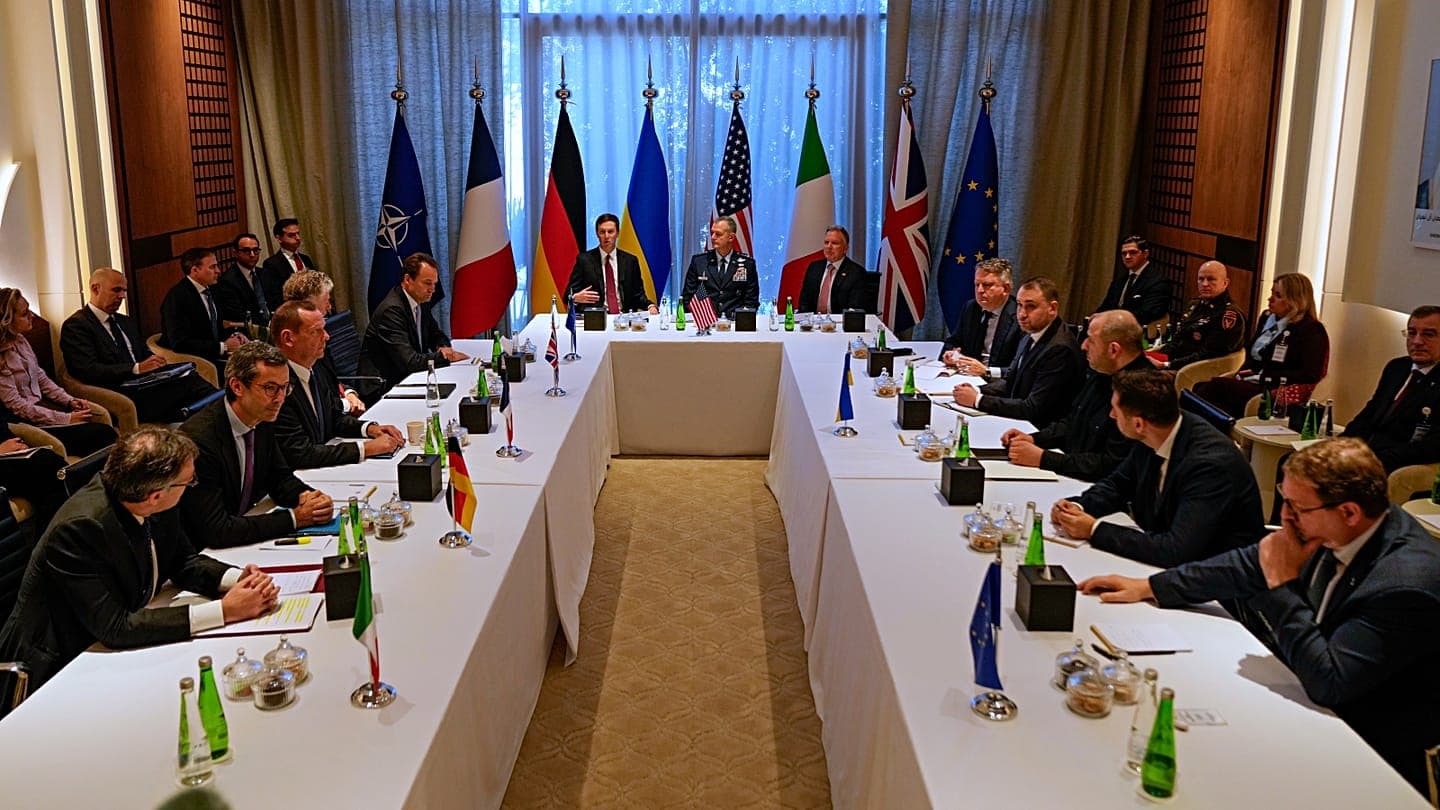
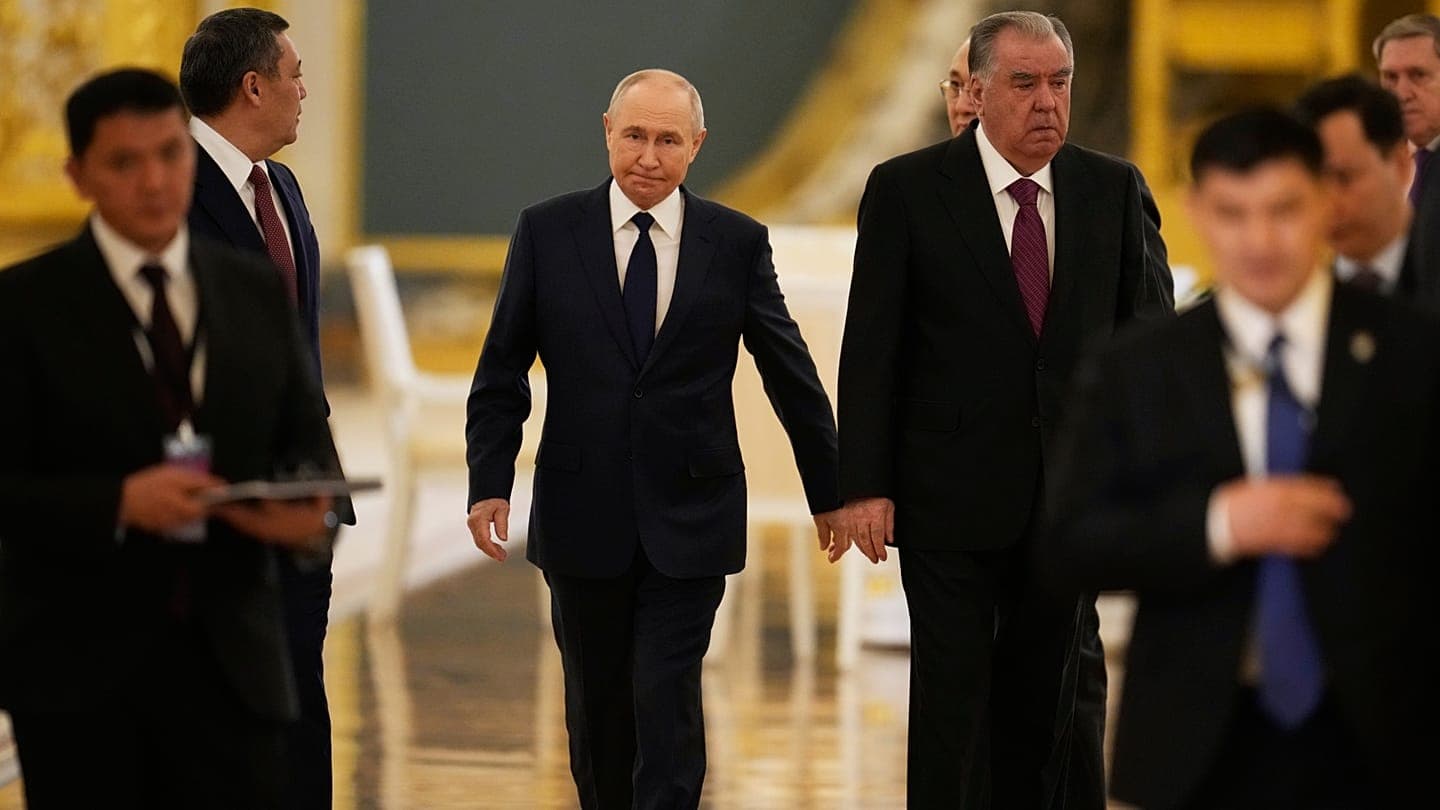
The package is not expected to include major or flashy measures — this is meant to ensure smooth negotiations and their completion in December. The discussions will coincide with efforts to move peace talks into a multilateral format, in which European and Russian representatives would sit at the table at the same time. Despite pressure from the United States, Moscow resists this format, demanding that Europe first present a 'constructive, substantial contribution'; Russian officials may use the sanctions announcement as a pretext to continue refusing direct talks with the European delegation. The prevailing view in Europe, Euronews notes, is that Russia does not take the peace talks seriously, as evidenced by the relentless strikes on Ukraine's power grid, designed to cause massive blackouts during sub-zero temperatures. Kyiv has already asked Brussels to increase humanitarian aid to keep the lights on and the economy running through the harshest winter of the war. High Representative Kaja Kallas called the Kremlin's demands to restructure the architecture of European security 'absurd'. 'I don't think the willingness to adopt new sanctions among member states is declining,' said a senior diplomat, rejecting the risk that sanctions could derail diplomacy: 'As long as talks are ongoing, it is important to show that European partners firmly support Ukraine and keep pressure on Russia.' On Wednesday, the European Commission will present a proposal for a support loan of €45 billion to cover Ukraine's financial deficit in 2027.