The key facts
- Channel 12 investigation: an attempt to wiretap five Arab Knesset members on the October 27 election day; the attorney general rejected the request
- Lapid accused Netanyahu of an 'attempted coup'; Arab lawmaker Bakr Awawdeh called it a conspiracy against democracy
- Arab parties won 19 of 120 seats; Einekot has until December 6 to form a government
Investigation into election-day actions
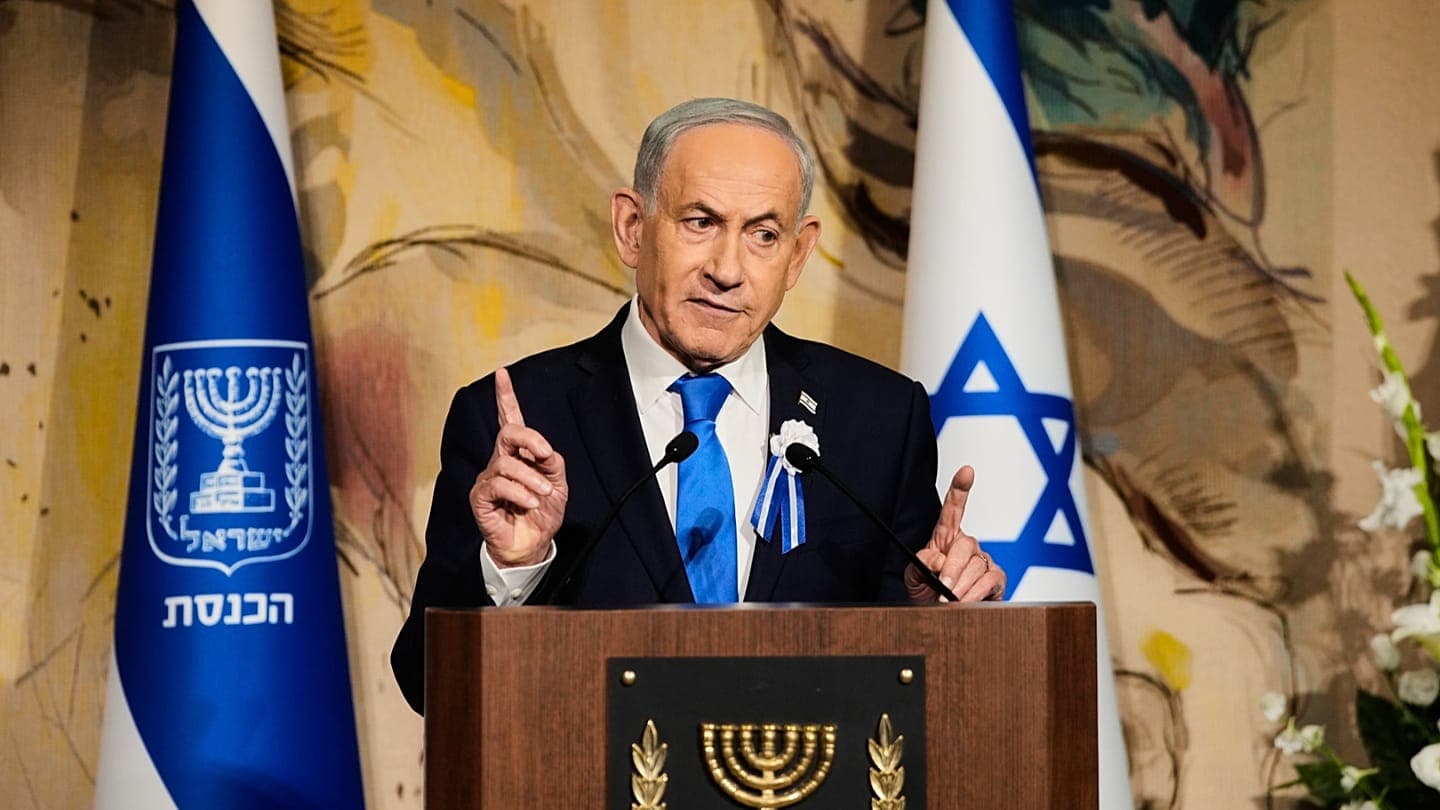
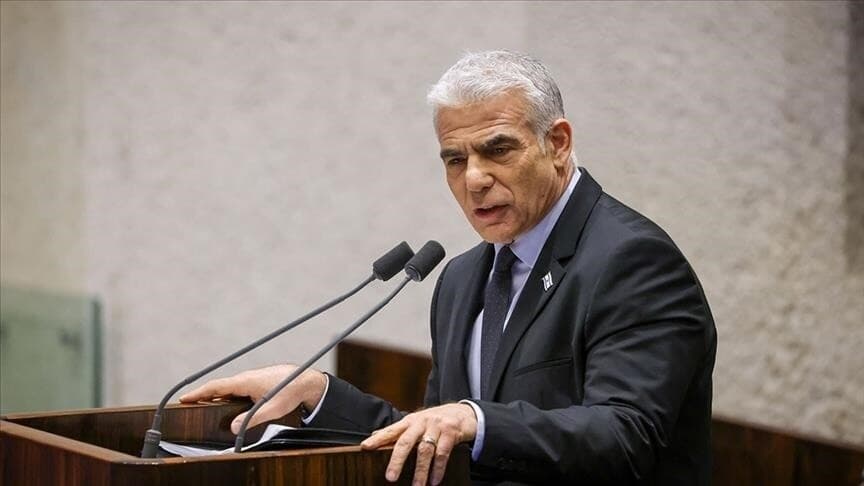
Israeli opposition figure Yair Lapid on Monday accused Prime Minister Benjamin Netanyahu of an 'attempted coup' through pressure on Arab political parties and activists and by casting doubt on the legitimacy of the Knesset election results. The trigger was a Channel 12 investigation aired on Sunday: it described the actions of security agencies against Arab activists and an attempt to wiretap the phones of five Arab Knesset members on election day, October 27.
What the investigation claims
According to the investigation, Netanyahu's office chief Ido Norden approached the police commissioner's office on the eve of the election with a complaint about activists of the Arab United Party (Ra'am) and pointed the police to an intelligence source — who, as later emerged, turned out to be a former employee of the Prime Minister's Office who had passed along information with accusations against the activists. The police used this information, together with the office's complaint, as grounds for arrests and searches of activists' homes without warrants at the time of the operations. In addition, Shin Bet chief David Zini on election day requested permission to wiretap the phones of five Arab lawmakers on suspicion of foreign interference in the election; Attorney General Gali Baharav-Miara rejected the request. Netanyahu subsequently questioned the legitimacy of the election results.
Reaction and political context
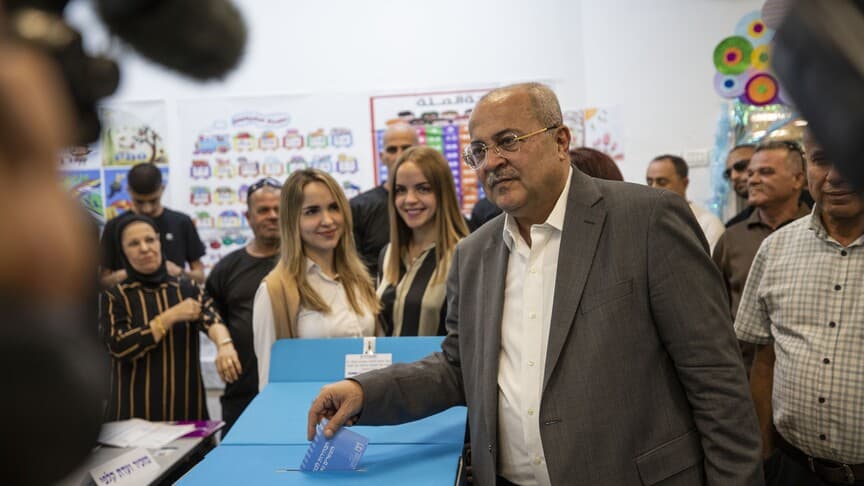
'The more details come to light, the clearer it becomes: this was not an attempt to disrupt the election, but an attempted coup,' Lapid said on the social network X. Arab lawmaker from the Joint List Bakr Awawdeh called what happened 'a scandal and a blood libel against the Arab community' and 'a conspiracy against democracy'; he demanded Zini's resignation and warned that he would turn to the Supreme Court if Baharav-Miara did not respond. The accusations have intensified scrutiny of the conduct of Israeli security agencies toward Arab parties — precisely at a time when they hold significant weight in the post-election arithmetic.
Government formation continues
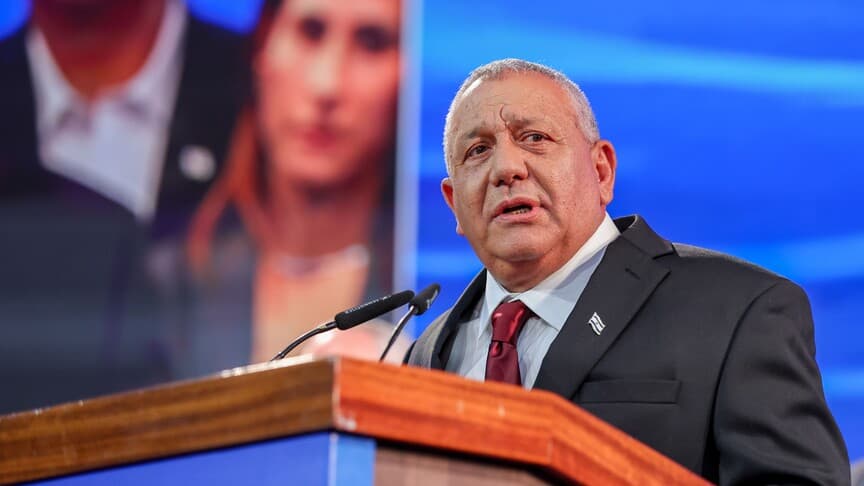
The developments unfold against the backdrop of negotiations on forming a new government. The October 27 election gave Netanyahu's bloc 53 seats in the 120-seat Knesset, Gadi Einekot's camp 48, and the Arab parties 19. On November 8, President Isaac Herzog tasked Einekot, leader of the Yashar party, with forming a government: his candidacy was supported by factions representing 67 lawmakers, against 46 for Netanyahu, with seven abstaining. Under Israeli law, Einekot has 28 days to form a government — the mandate expires on December 6, and Herzog may extend the deadline by 14 days. For a parliamentary majority, Einekot needs the support of at least 61 lawmakers.