The key facts
- Eric Fingerhut called the growing criticism of Israel within both major US parties 'warning signs'
- He was particularly troubled by Abdul El-Sayed's victory in the Michigan Senate race
- According to Yedioth Ahronoth, the new aid agreement would keep $3.3 billion a year but shorten the term from 10 to 5 years
A warning after the midterm elections
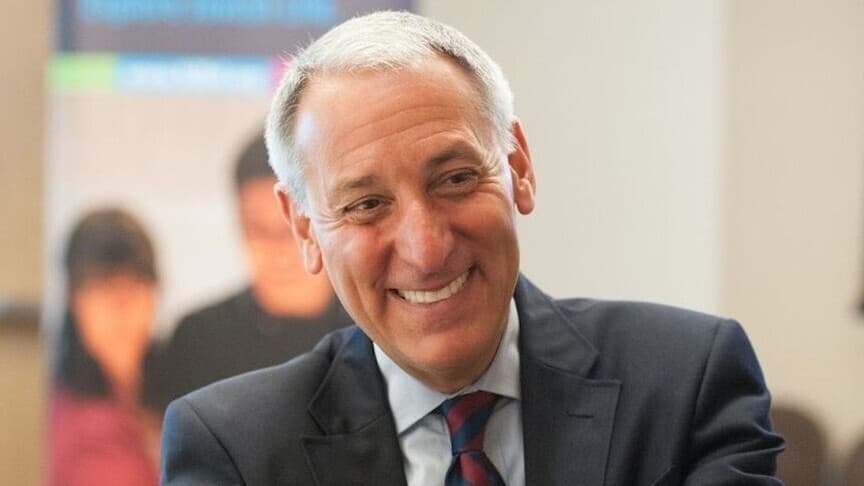
Eric Fingerhut, president and CEO of Jewish Federations of North America, spoke of 'warning signs' regarding Israel within both major US parties, citing a growing number of politicians critical of Israel and mounting pressure around American military aid. He made his remarks after the organization's General Assembly in Washington, and the Israeli newspaper Yedioth Ahronoth published a piece about them on Monday. The assembly was attended by about 2,500 representatives of Jewish communities from the United States and Canada.
Election results: victories for allies and a rise in critics
The assembly took place after the November 3 midterm elections, in which the Democrats took control of both chambers of Congress away from President Donald Trump's Republican Party. Support for Israel was among the campaign themes against the backdrop of the ongoing fallout from Israel's war in Gaza. Fingerhut called the results 'complicated': on the one hand, politicians he described as loyal friends of the Jewish people won, including House Minority Leader Hakeem Jeffries, Senator Chuck Schumer, and Congresswoman Debbie Wasserman Schultz. On the other hand, he expressed deep concern over the success of Democrats critical of Israel, above all Abdul El-Sayed, who won the Senate seat from Michigan. According to Fingerhut, the fact that Democratic leaders embraced El-Sayed rather than treating his positions as crossing red lines raises 'real concern.' El-Sayed, who is of Egyptian origin, calls Israel's actions in Gaza genocide and advocates ending American support for Israel and redirecting the funds toward improving Americans' living conditions. Fingerhut also listed mayors-elect who are critical of Israel: Zohran Mamdani in New York, Nithya Raman in Los Angeles, Janese Lewis George in Washington, and Katie Wilson in Seattle.
Both parties and the question of military aid
Fingerhut rejected Vice President JD Vance's claim that the elections had centered on Israel, calling that characterization 'completely wrong': many issues were discussed in them. Nevertheless, he warned of 'warning signs' in both parties, noting that the formation of a consensus around accusations against Israel would be cause for concern. He attributed part of the problem to the policies of the Israeli government and part to the influence of social media. On military aid, Fingerhut said he understands the positions of Netanyahu and Trump on ending direct American military aid to Israel, but he is worried by the growing political pressure aimed at preventing Israel from purchasing American weapons even after the direct aid ends.
Negotiations on a new aid package
According to Yedioth Ahronoth, which reported this on November 9, Washington and Israel are negotiating a new military aid agreement. Israel, the newspaper writes, hopes to conclude the deal before the new Congress takes office in January, fearing political obstacles to continued support. The proposed agreement would keep annual direct military aid at $3.3 billion but shorten its term from 10 to 5 years after the current agreement expires in 2028. This would reduce the total amount from $33 billion to roughly $16.5 billion before direct aid ends entirely.