The key facts
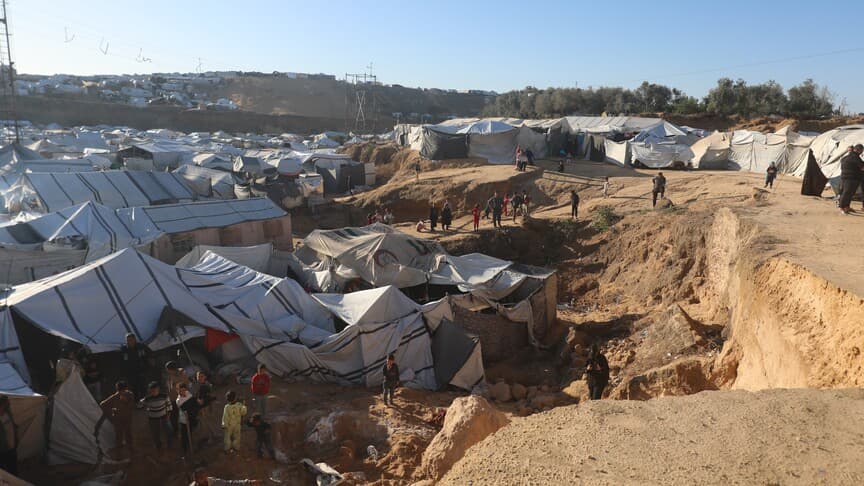
- EU Commissioner Lahbib: 70,000 tents in Gaza are flooded, children are dying from hypothermia
- Dual-use goods are allowed into Gaza only once a week, with no written rules in place
- The EU also announced 500 generators and €20 million for Ukraine, €210 million for Syria
Call on Israel amid the winter crisis
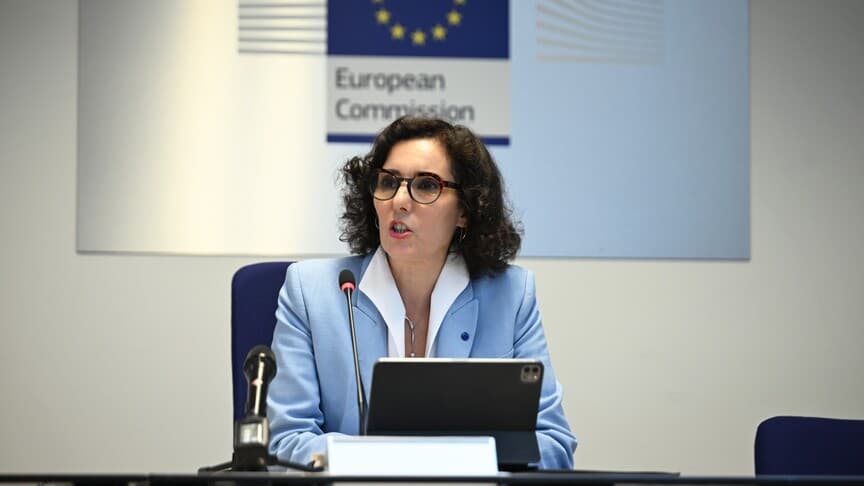
EU Commissioner for Equality, Preparedness and Crisis Management Hadja Lahbib, speaking to journalists in Brussels on Monday ahead of a meeting of EU foreign ministers, called on Israel to allow humanitarian aid into Gaza on more days and to establish clear, predictable delivery rules. According to her, winter conditions are making the humanitarian crisis in the enclave even more severe.
Data on the situation in Gaza
“Gaza is facing a humanitarian catastrophe, and winter is making it even more deadly,” Lahbib said. She reported that 70,000 tents are flooded, families are exposed to freezing rain, and children are dying from hypothermia. The Commissioner called on Israel to allow in more shelters, heavy machinery, motor oil and spare parts. According to her, critical humanitarian items classified as dual-use are allowed into Gaza only once a week. “We need more entry days and predictable rules. We do not even have written rules,” she said, adding a call on Israel to comply with international humanitarian law.
Ukraine, Syria and Yemen
At the same press conference, Lahbib accused Russia of deliberately striking Ukraine's heating, water and electricity infrastructure and of “turning winter into a weapon of war.” She announced that the EU will deliver 500 generators, shelters and other humanitarian supplies from its reserves, on top of €20 million ($22 million) in emergency aid allocated in early September; Norway will send four modular bridges, and France 200 buses. On Syria, she said the EU has allocated a record €210 million ($231.4 million) in humanitarian aid this year: 15 million Syrians depend on aid, and 8 million remain displaced. The escalation in Yemen, Lahbib noted, has displaced more than 300,000 people and hindered aid delivery; last week the EU's humanitarian air bridge delivered cargo to Sanaa and Aden.