The key facts
- 1,263 people detained — Guineans, Burkinabes, Malians, Togolese, Nigerians, Ivorians and Ghanaians; they are being transferred to Conakry
- Burkina Faso alleged 'cruel, inhuman and degrading treatment' and casualties; Mali called the deportations a 'sovereign' decision, but its prime minister spoke of a 'humanitarian catastrophe'
- The Nimba Gold Refinery plant has started operating in Conakry; the goal is to process 30% of the 70 tonnes of gold mined domestically
Mass detentions in Siguiri
The 'gold rush' in the north-eastern Guinean region of Siguiri came to an abrupt end after a ban on illegal gold mining. The official spokesman for the Guinean army, General Mamadou Aliou Sou, reported that 1,263 people have so far been detained — Guineans, citizens of Burkina Faso, Mali, Togo, Nigeria, Côte d'Ivoire and Ghana; all of them have been transferred to Conakry for legal procedures. Interrogations are being conducted by officers of the criminal investigation department, the national police and the gendarmerie.
The authorities' motives and disputes over who is affected
According to the Guinean authorities, the aim of the ban is to stop mining that harms the environment: uncontrolled extraction depletes the soil, destroys vegetation and silts up waterways. Toumany Sangaré, chairman of the Siguiri civil society council, confirmed that chemicals had been used in the region that destroy the environment and pollute water bodies.
Accusations of cruelty and neighbours' reactions
Burkina Faso's security minister, Mahamadou Sana, stated that deported citizens had allegedly been subjected to 'cruel, inhuman and degrading treatment'; according to him, there were killed and wounded. The Malian journalist Amadou Oumar Diallo also criticised the alleged cruelty, believing that the authorities violated human rights and 'took the easy way' by deporting people instead of providing for their detention.
The first gold smelting refinery and questions about its operation
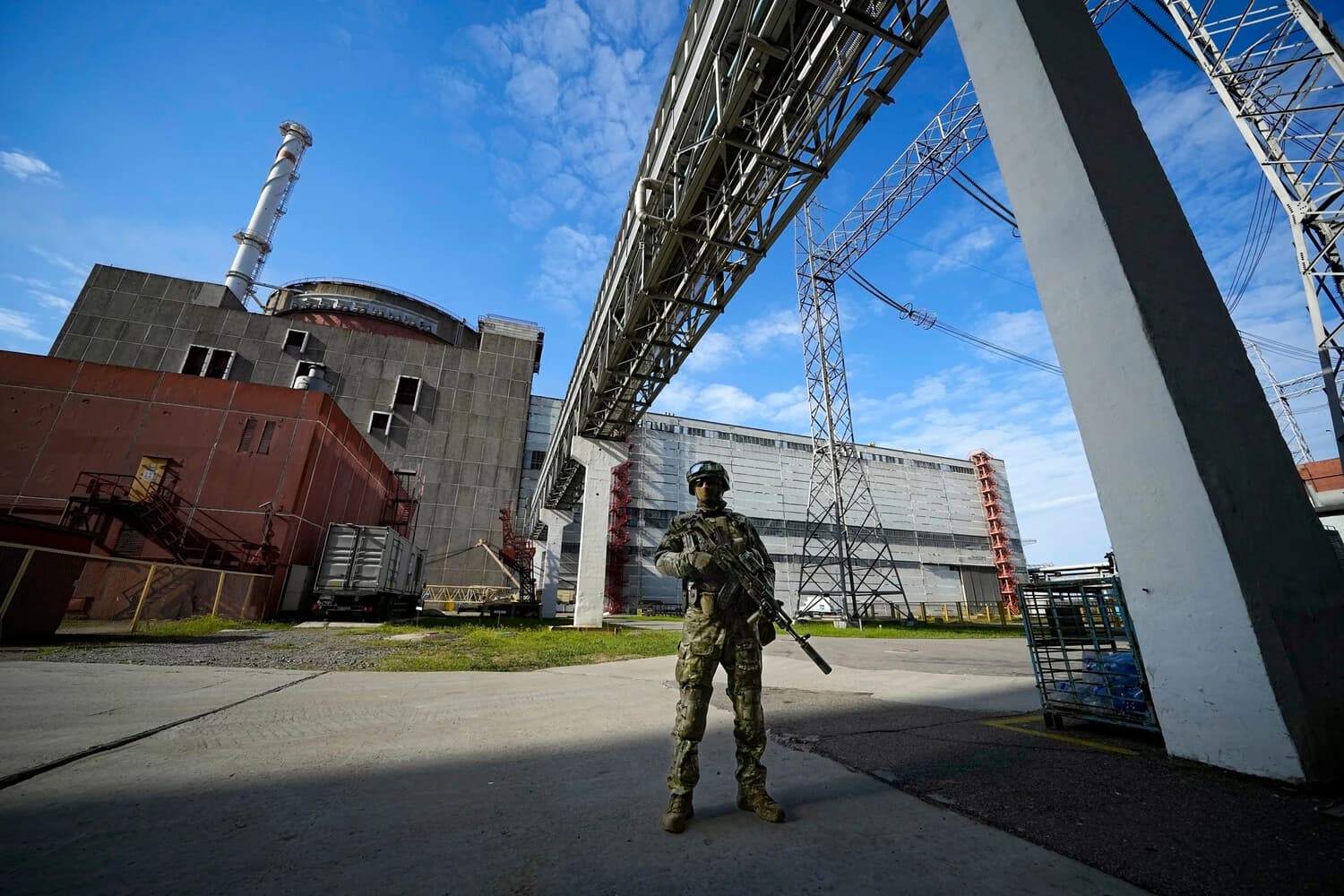
In parallel, the Nimba Gold Refinery (NGR) plant has begun operating in Conakry — the first in Guinea; the country has joined Burkina Faso, Mali and Côte d'Ivoire. The government's goal is to process 30% of the 70 tonnes of gold mined in Guinea within the country. Mining expert Ibrahim Diallo suggested that the authorities may have sought to take the Siguiri mines under control to supply the plant, noting that the equipment used there (bulldozers, excavators) does not correspond to artisanal mining.
Risks to gold's reputation
Patrick Schein, chairman of the Alliance for Responsible Mining, considers it more logical to build reserves from domestic rather than imported gold, but stresses the need for international certification. According to him, the place of refining determines the metal's origin: if Guinea becomes a transit hub for sub-regional gold, it will 'involuntarily' turn into a money-laundering centre. At the same time, Schein notes, if the aim of local refining is traceability, fair payment to artisanal miners and mercury-free processing, the initiative is good, 'but now it needs to be put into practice.' The plant's competitiveness and its export potential remain open questions.