
The key facts
- Regulators from 38 countries warned of the risk of a nuclear accident in Ukraine this winter
- In their assessment, without a stable electricity supply, cooling nuclear fuel becomes more difficult
- The statement was initiated by the HERCA, WENRA, and NORA associations
Joint warning from 38 countries
Representatives of nuclear safety authorities from 38 countries have warned of the risk of a nuclear accident in Ukraine this winter. Gazeta.Ru reports this, citing Reuters. Their joint statement reads: “Together we express deep concern about the growing risks to nuclear safety arising from the Russia-Ukraine war.”
The essence of the regulators' concerns
In the regulators' view, without a stable electricity supply, Ukrainian nuclear power plants are finding it increasingly difficult to cool nuclear fuel, which, they believe, could lead to a reactor core meltdown and the release of radioactive substances. The appeal was initiated by three associations: HERCA (an association of heads of radiation protection authorities in Europe), WENRA (the Western European Nuclear Regulators Association), and NORA (an association of heads of radiation and nuclear safety authorities of the Nordic countries). Together they represent 38 countries, including all EU member states, the United States, the United Kingdom, Canada, and Japan.
Context around the Zaporizhzhia Nuclear Power Plant
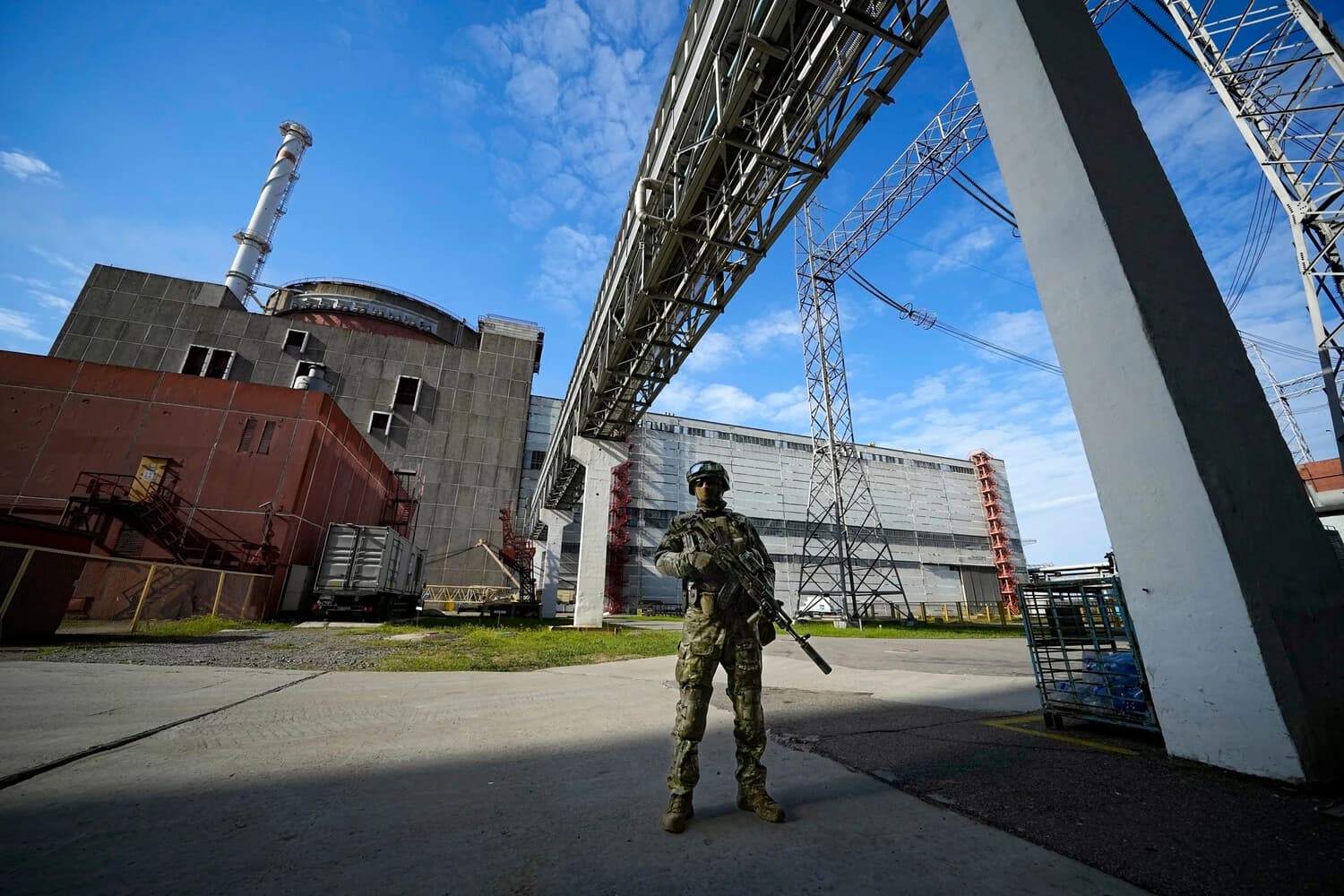
The warning came amid a series of reports about the situation surrounding the Zaporizhzhia Nuclear Power Plant. In November, it was reported that the plant had lost its external power supply. At the same time, the Russian Foreign Ministry's ambassador-at-large Rodion Miroshnik said that the Zaporizhzhia Nuclear Power Plant had been attacked at least 11 times between July and September. In October, IAEA Director General Rafael Grossi stated that the safety risk to the ZNPP persists until progress is achieved in the peaceful settlement of the conflict. Earlier, Russia's permanent representative had approached the IAEA Director General regarding the plant's safety.